TURNING GARMENTS INTO ONGOING RELATIONSHIPS
TURNING GARMENTS
INTO ONGOING
RELATIONSHIPS
The story of Alu started with a pair of jeans. Founder Donatela Bellone remembers her father saving for months to buy his first pair – then wearing them for years, repairing them, and holding onto them. Today, that kind of relationship with clothing has changed. Pieces move faster, in and out of wardrobes and attention.
“We’ve made it incredibly easy to buy,” Donatela says. “But not to keep, care for, or reconnect with what we already have.”
So what if we could rebuild that connection – not through new products, but through how we use them?
The fashion industry has become incredibly efficient at producing new garments. Today, over 100 billion garments are made annually, yet many are worn only a handful of times before being discarded.
The result is a system where value is created at the moment of purchase, and quickly lost afterwards. For Donatela, that gap is key.
Her journey didn’t start in fashion, but in sustainability more broadly. After working in renewable energy and later advising companies, she began to notice a pattern.
“At first, I thought that if people understood the impact of their choices, they would act differently. But that’s not what I saw.”
One moment stayed with her: meeting someone with a degree in sustainability who still regularly bought ultra fast fashion.
“That’s when it clicked,” she says. “It’s not just knowledge. It’s psychology, incentives, and context that shape behaviour.”
Alu is built around that insight.
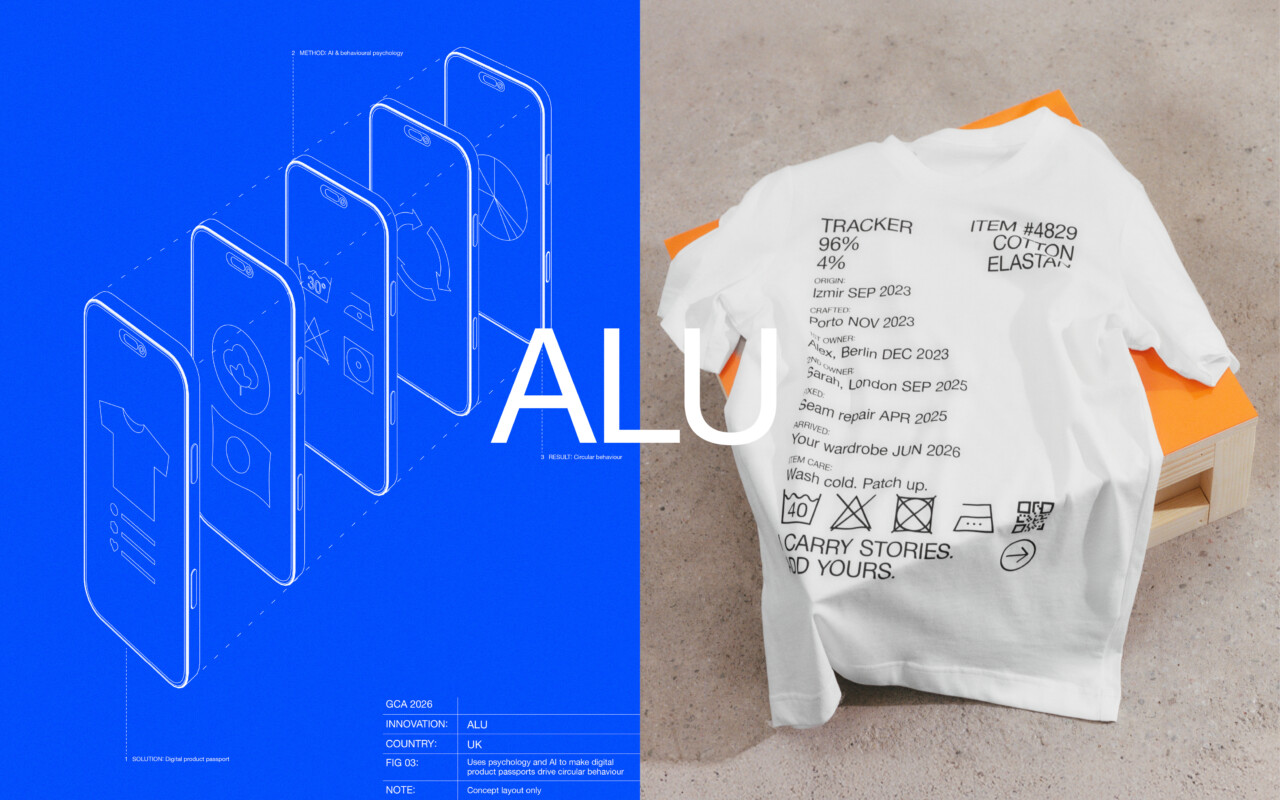
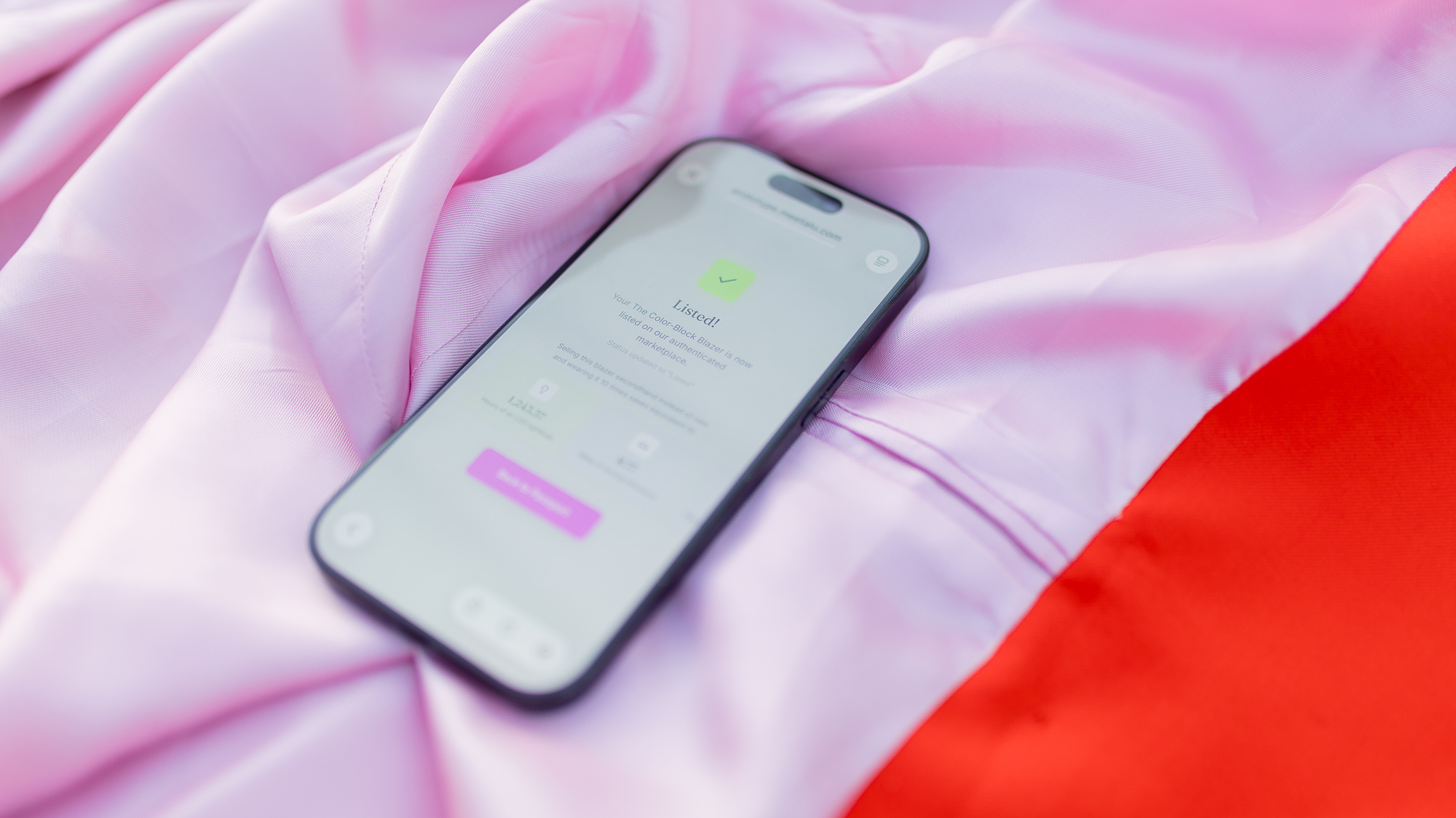
Instead of focusing only on what a product is made of, Alu focuses on what happens after it’s sold. By scanning a Digital Product Passport through a QR code or NFC tag, a garment becomes more than a static item. It becomes a gateway to services like repair, resale and rental, alongside rewards, content and community experiences.
Using psychology and AI, Alu is designed to encourage behaviours that help garments stay in use longer.
“Alu turns products into relationship engines,” Donatela explains. “It helps people connect with them, care for them, and keep them in use longer.”
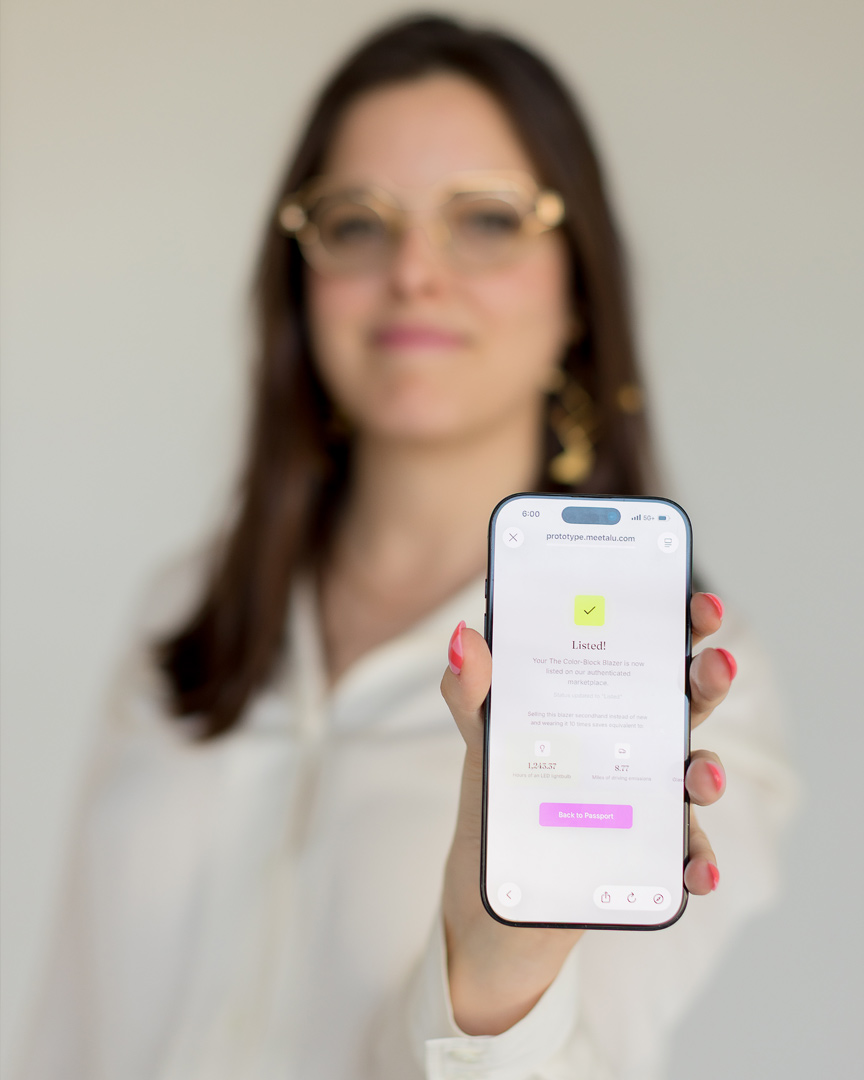
Extending the life of a garment is one of the most effective ways to reduce its environmental impact. But today, it often requires extra effort. Repairing, reselling or renting can feel complicated, time-consuming, or simply not worth it.
Alu addresses this by making those actions easier and more engaging.
“Most Digital Product Passports are built for compliance,” Donatela says. “They focus on data and regulation.”
Alu takes a different approach, designing experiences around how people actually behave. By combining access, incentives and storytelling, it aims to make circular choices feel intuitive and fun.
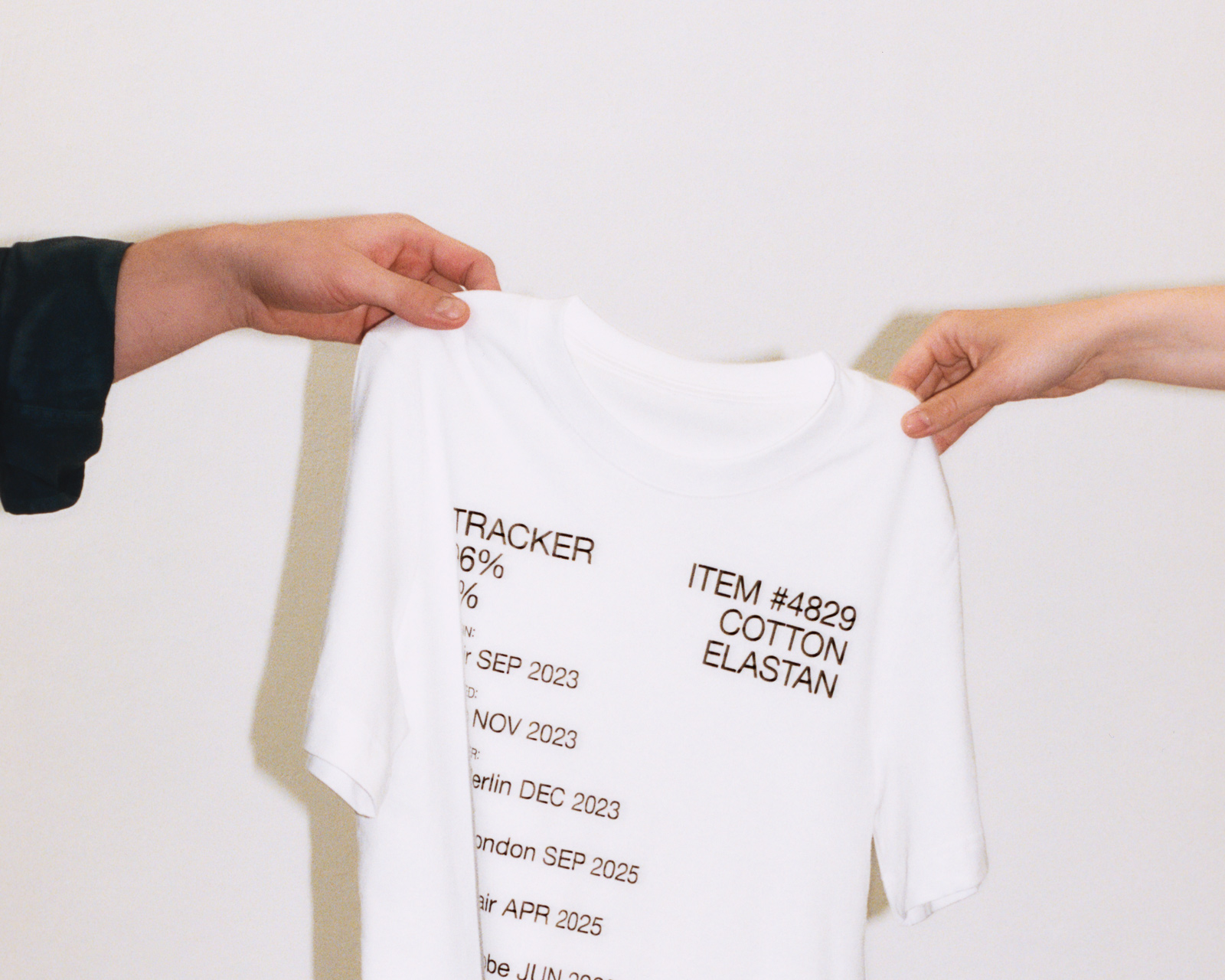
For brands, this shift opens new possibilities. Rather than relying only on selling new products, they can build ongoing relationships with customers through services and experiences. This includes tapping into a growing market for resale, repair and rental, while reducing dependence on constant production.
Over time, this could help reshape how value is created in the industry, moving from one-off transactions to longer-term engagement.
For Donatela, her work with Alu is rooted in something deeply personal. She recalls the story of her father buying his first pair of jeans.
“They weren’t just clothes,” she says. “They represented who he was. He wore them for years, repairing them and taking care of them.”
That kind of relationship with clothing has become rare, but not impossible. If solutions like Alu succeed, the role of clothing could begin to change. Garments could stay in use longer, moving between owners, uses and contexts.
“I hope we can shift how people value their items,” Donatela says. “From something disposable to something meaningful.”
More information
-
This is GCA
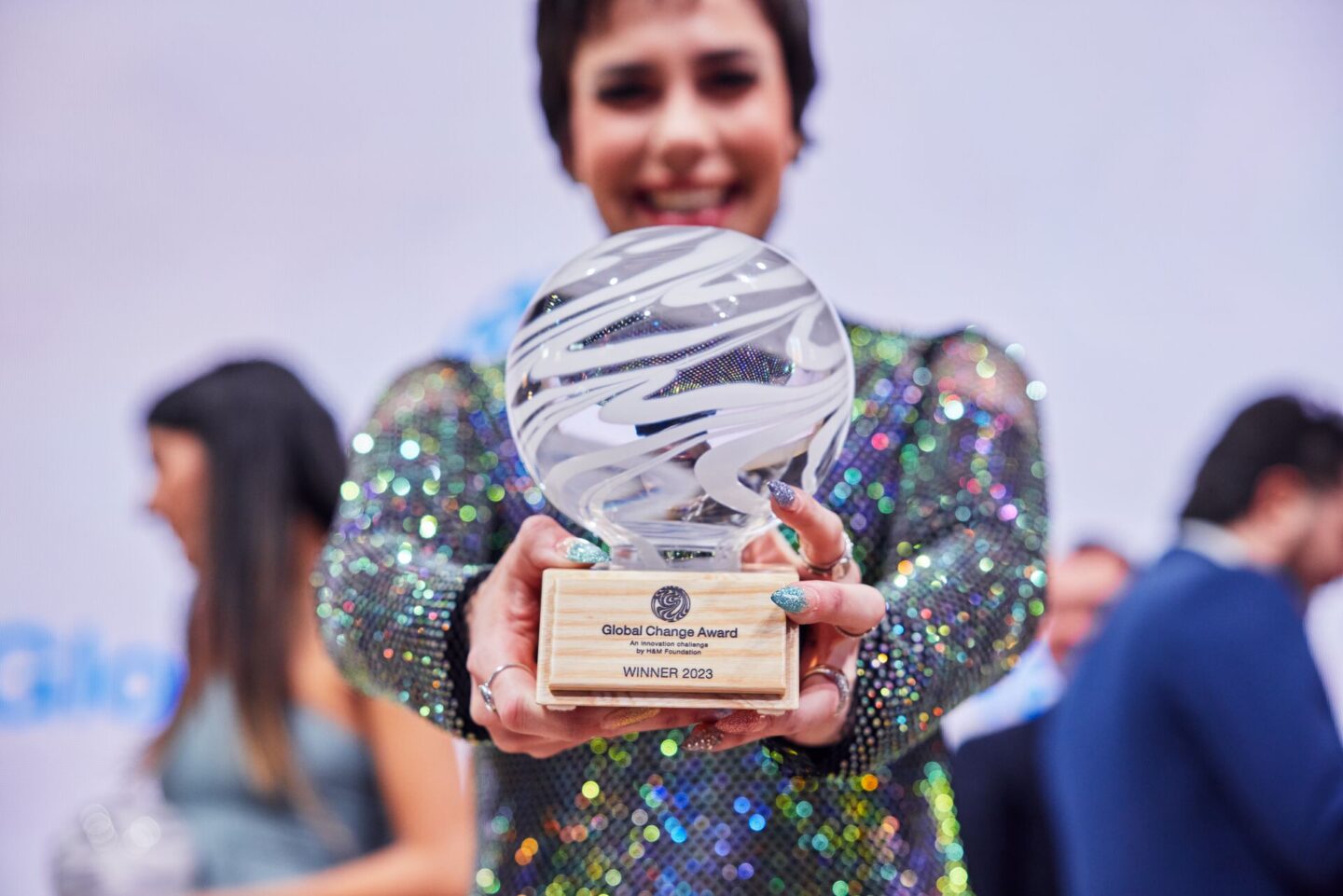
The Global Change Award (GCA) is an innovation challenge initiated by H&M Foundation. Our mission is to accelerate early-stage innovation to support the textile industry in halving its greenhouse gas emissions every decade, reaching net-zero by 2050. The H&M Foundation launched the Global Change Award…
-
GCA WINNERS
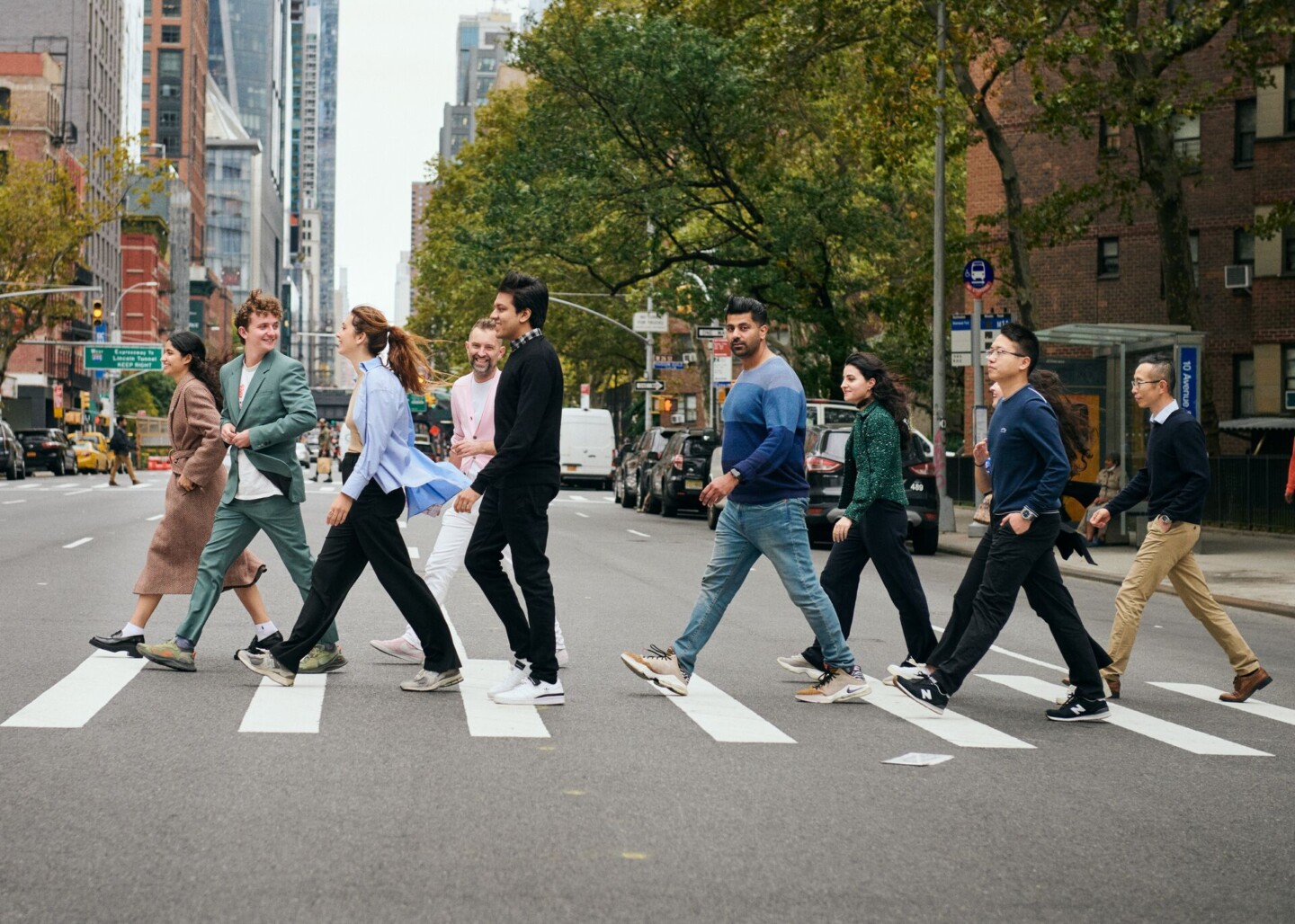
Meet our heroes – the winners of the Global Change Award – and find out how their innovations are reinventing the fashion and textile industry.
-
Changemaker programme
The Changemaker Programme is at the heart of the Global Change Award. It’s a yearlong journey designed to help each winner develop their idea, grow personally, and understand how their innovation can help rewire the system. Being selected as a GCA winner is just the…