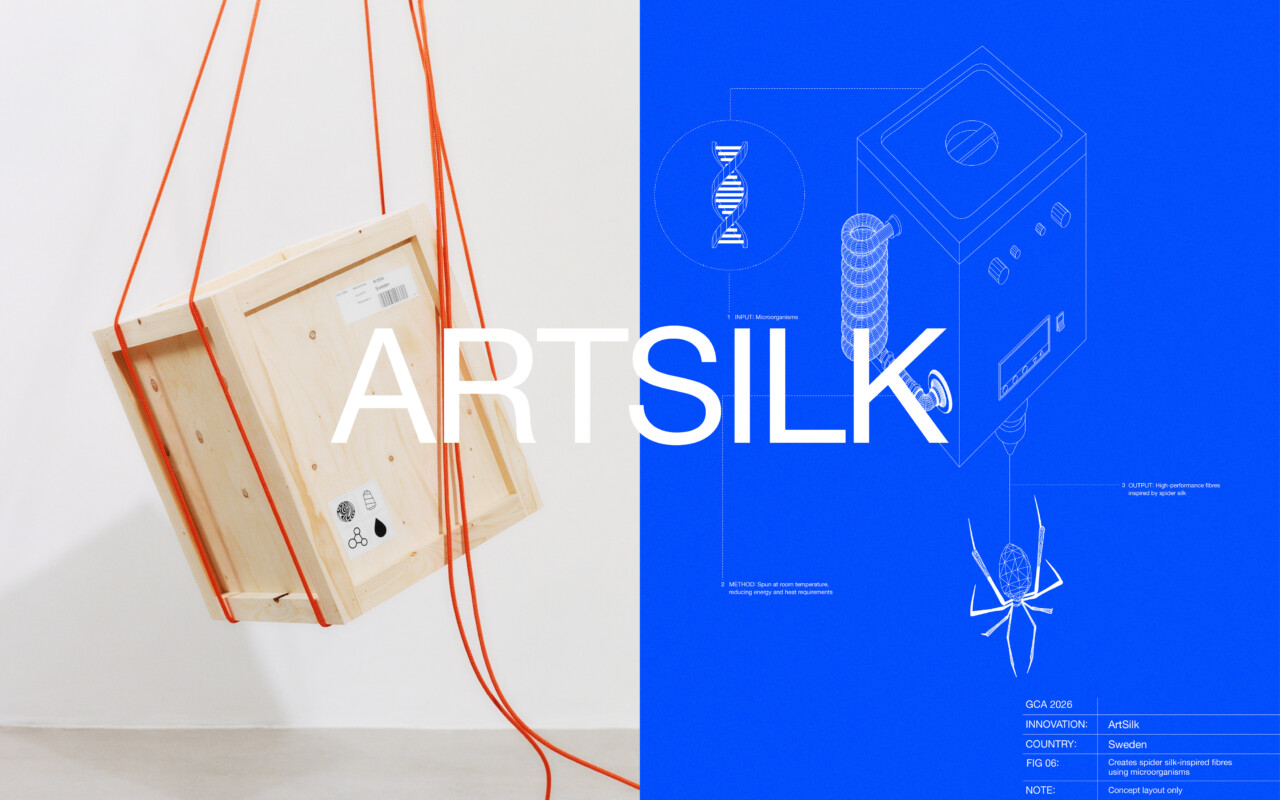
Innovation
ArtSilk
ChangemakerS
Anna Rising,
Benjamin Schmuck
Country
Sweden
WEBSITE
recreating nature’s strongest fibre
recreating
nature’s
strongest fibre
INNOVATION
ArtSilk
WEBSITE
Spider Silk Research
CHANGEMAKERS
Anna Rising, Benjamin Schmuck
COUNTRY
Sweden
Some of the most advanced materials are not made from synthetics, but found in nature. Spider silk, for example, is one of the toughest fibres known – lightweight, strong, and produced without heat, pressure or harmful chemicals.
For Anna Rising, studying spiders in South Africa, this raised a question: why can’t we make materials the same way? That question became the starting point for ArtSilk – a fibre inspired by how nature works, and designed to fit within it.
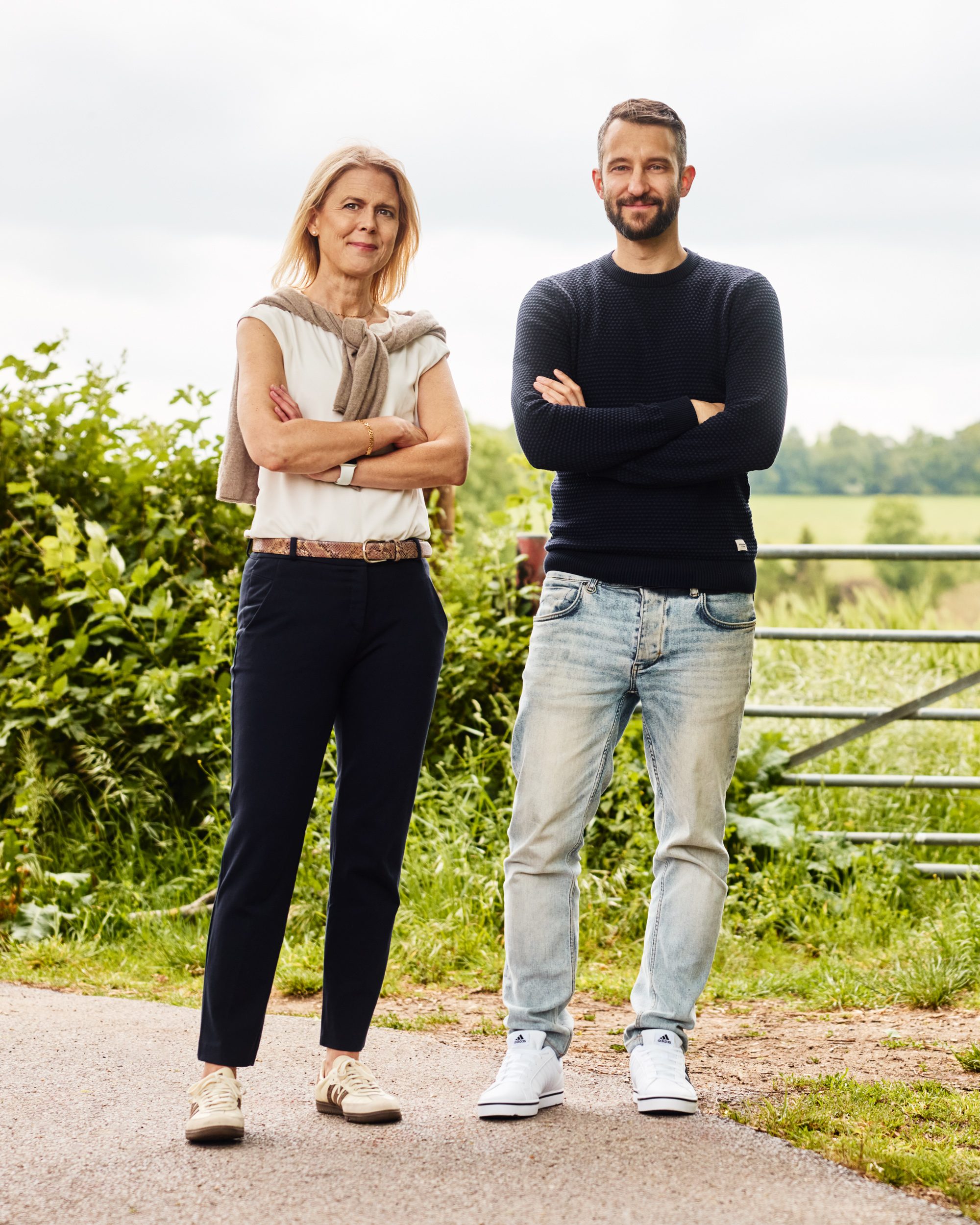
Benjamin Schmuck
Today’s textile materials come with many trade-offs. Synthetic fibres rely on fossil resources and contribute to pollution. Natural fibres, while renewable, can require significant land, water and processing. Despite decades of innovation, there are few materials that combine high performance with low environmental impact. ArtSilk rethinks the existing processes entirely.
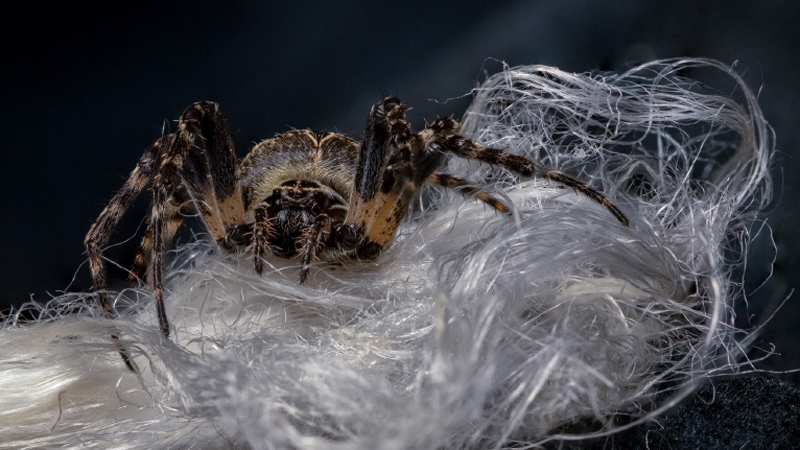
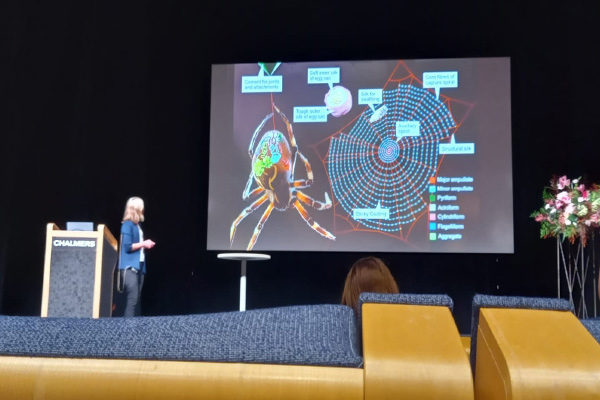
The idea behind ArtSilk has been shaped over decades of research. As a PhD student, Anna travelled to South Africa to study spiders in their natural environment, observing how they produce silk.
“I’ve always been fascinated by how elegantly nature solves complex problems,” she says.
Instead of forcing proteins into fibres using industrial methods, the team focused on understanding how spiders spin silk under natural conditions, and translating those principles into a scalable process.
When Benjamin Schmuck joined the project, his expertise in bioprocessing helped turn that research into a production method designed for real-world application.
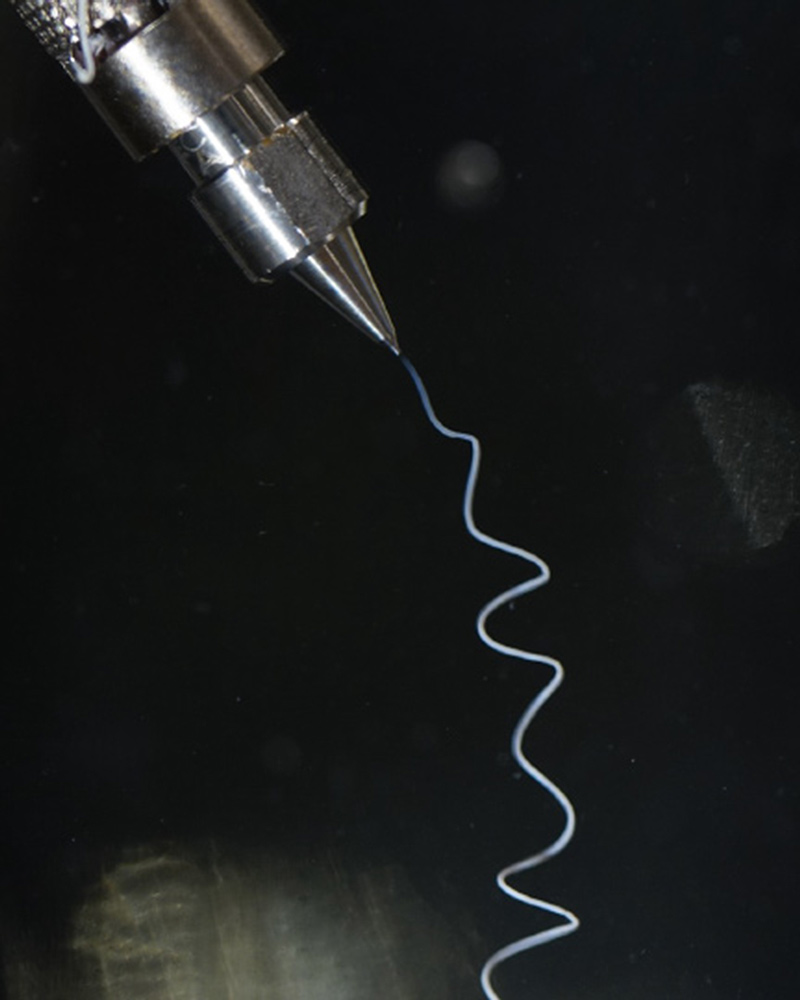
ArtSilk is produced using microorganisms that convert renewable resources into proteins, the same building blocks found in natural silk. These proteins are then spun into fibres using a water-based process, avoiding the need for harsh chemicals or high energy input.
In simple terms, it’s a way of making high-performance fibres by working with biology rather than against it.
The result is a material that is strong, lightweight and adaptable, while also being biodegradable and recyclable.
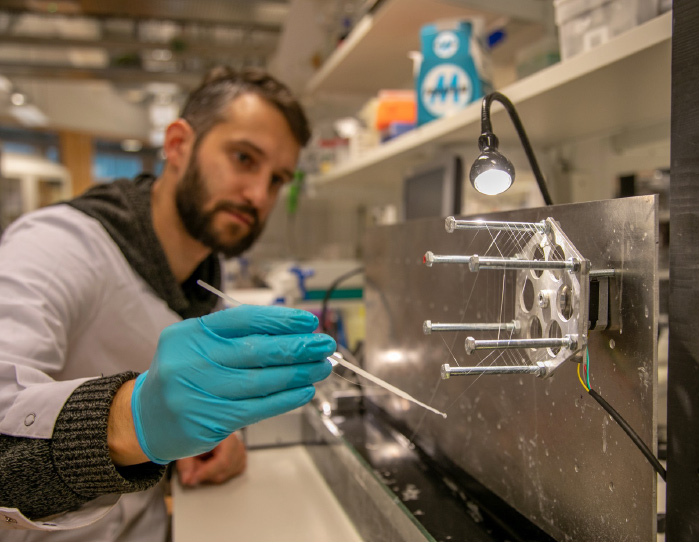
For Anna and Benjamin, the motivation is both scientific and personal.
“As a researcher and veterinarian, I’ve always had a deep respect for natural systems,” Anna says. “Developing ArtSilk is a way to show that we can create materials that work in harmony with them.”
For Benjamin, it is about turning curiosity into something tangible.
“Being able to go from DNA to a fibre you can actually hold is incredibly motivating,” he says. “But it’s equally important that it leads to something meaningful.”
Together, their work connects fundamental science with the possibility of real-world change. If materials like ArtSilk succeed, the way fibres are produced could begin to shift, and performance would no longer come at the expense of the environment.
“Ultimately, textiles would no longer be a major source of pollution, but instead part of a regenerative system,” Anna concludes.
More information
-
This is GCA
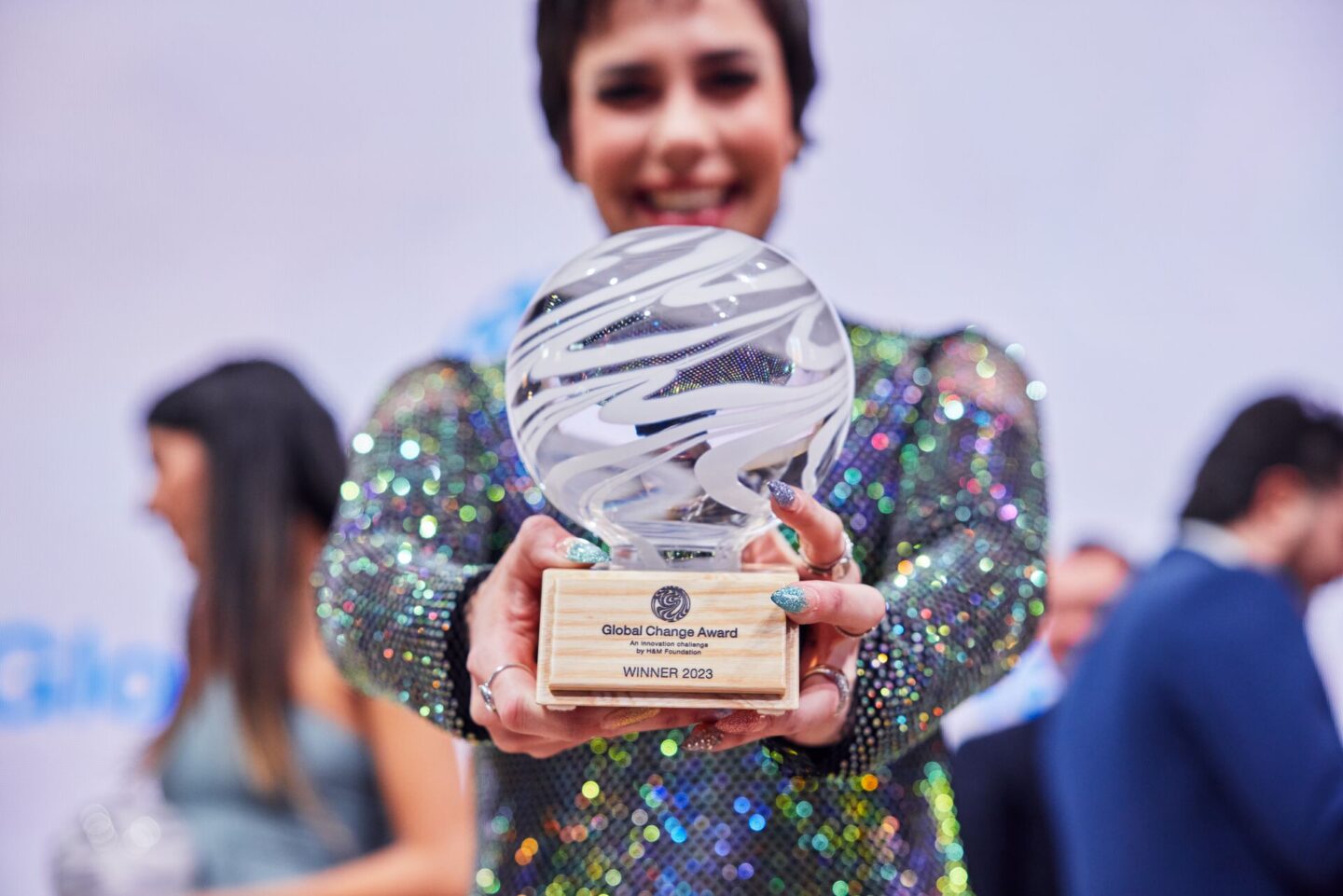
The Global Change Award (GCA) is an innovation challenge initiated by H&M Foundation. Our mission is to accelerate early-stage innovation to support the textile industry in halving its greenhouse gas emissions every decade, reaching net-zero by 2050. The H&M Foundation launched the Global Change Award…
-

GCA WINNERS
Meet our heroes – the winners of the Global Change Award – and find out how their innovations are reinventing the fashion and textile industry.
-

Changemaker programme
The Changemaker Programme is at the heart of the Global Change Award. It’s a yearlong journey designed to help each winner develop their idea, grow personally, and understand how their innovation can help rewire the system. Being selected as a GCA winner is just the…