Innovation
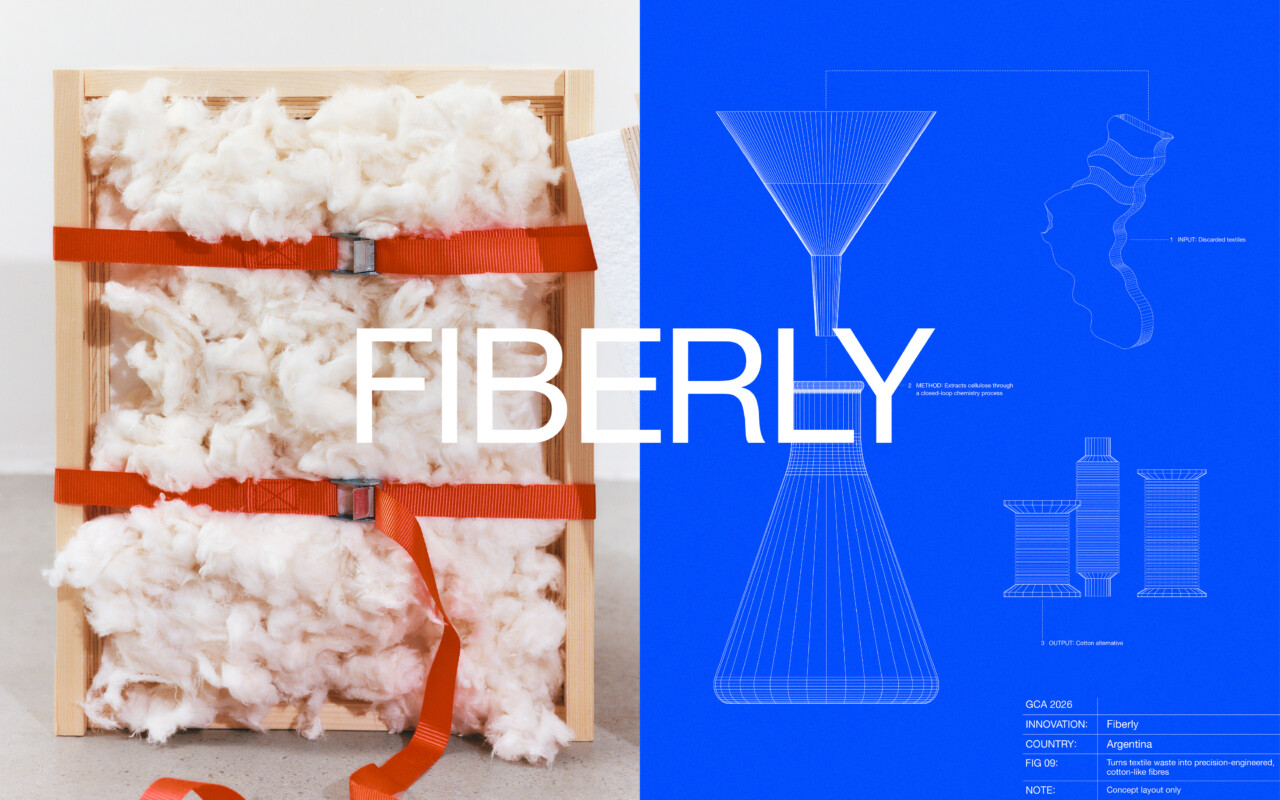
Fiberly
ChangemakerS
Bénédicte Quinta
Omar Miguel Portilla Zúñiga
Santiago José Carafí
Dr Juan Francisco Delgado
Country
France
WEBSITE
REINVENTING
COTTON
FROM WASTE
REINVENTING
COTTON
FROM WASTE
InNOVATION
Fiberly
WEBSITE
https://www.fiberly.bio
CHANGEMAKERS
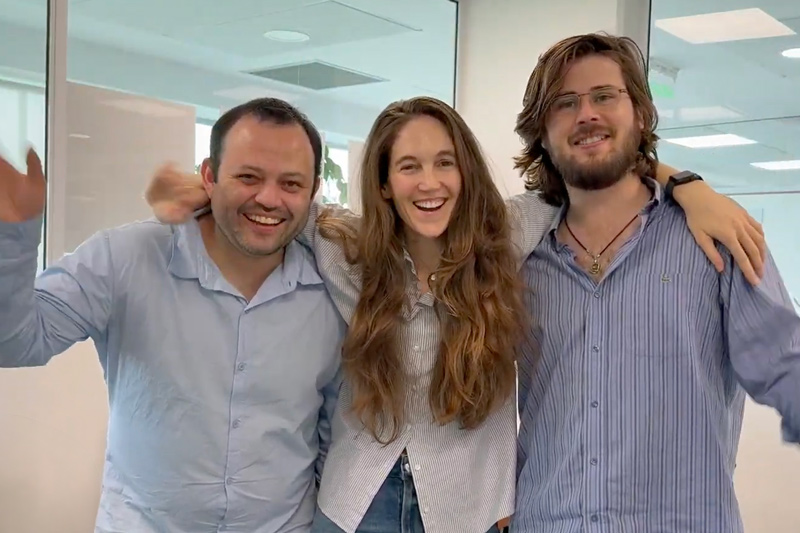
Bénédicte Quinta, Omar Miguel Portilla Zúñiga, Santiago José Carafí, Dr Juan Francisco Delgado
COUNTRY
France
Think about the t-shirt you wear every day. Or your favourite pair of trousers. You know how they feel: soft, familiar, easy. But perhaps not why they feel this way.
“It comes down to the fibre itself,” says Bénédicte Quinta, founder of Fiberly. “Its shape, its structure, its texture at a microscopic level. This is especially true for cotton.”
But cotton, as we know it, is under pressure. So what if we could recreate it – without relying on the same resources?

Cotton is a staple in the textile industry, but the conditions that sustain it are becoming harder to maintain. Climate impacts are already affecting major producing regions, while production requires significant water, land, and chemical inputs.
Despite this, there is still no widely available alternative that matches cotton’s look, feel, and performance at scale.
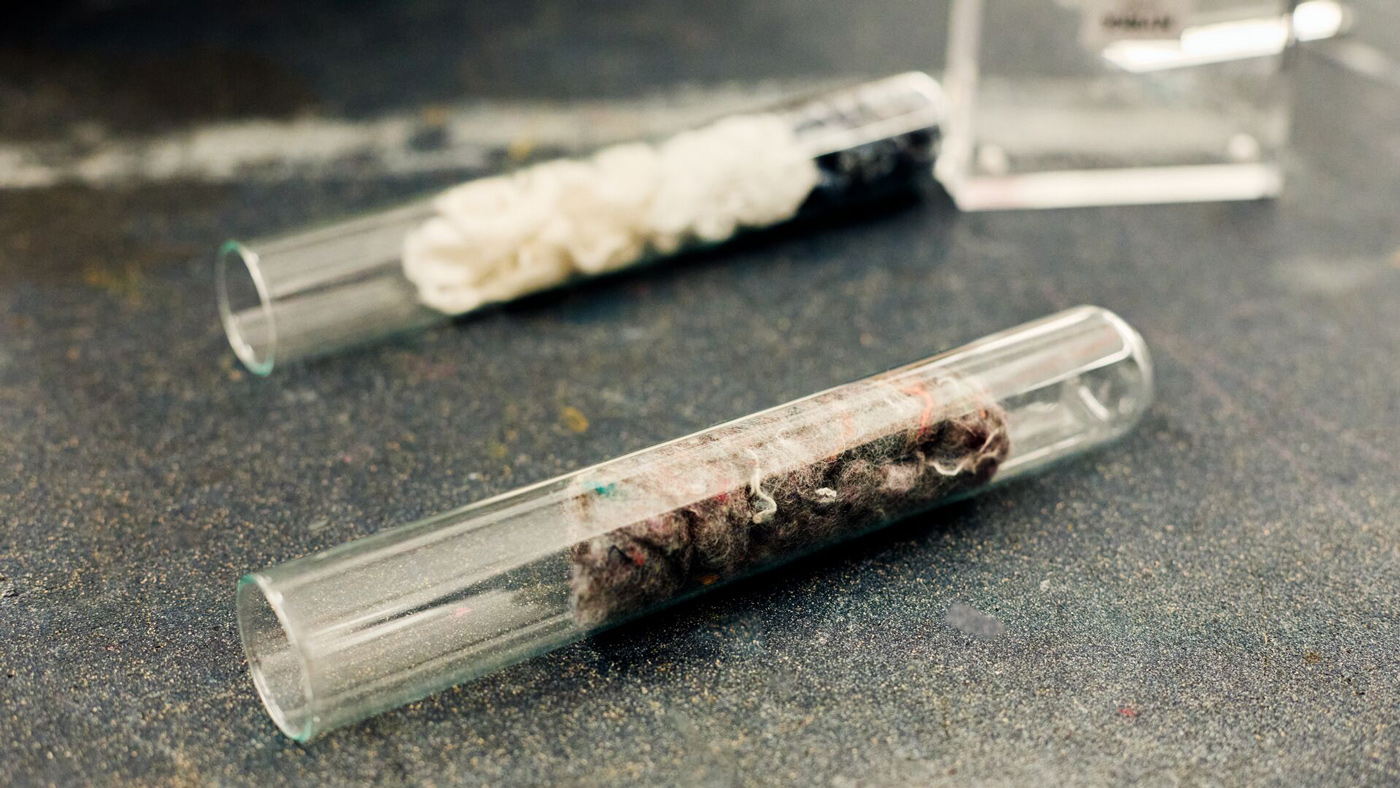
For Bénédicte Quinta, founder of Fiberly, this became impossible to ignore. While leading sustainability strategy at a major fashion retailer in Latin America, she built a materials matrix – mapping what to phase out, what to improve, and what could replace it.
“When I got to cotton, the row came empty,” she says. “There was no low-impact replacement that matched its quality at scale.”
That unanswered question stayed with her. Eventually, it became Fiberly.
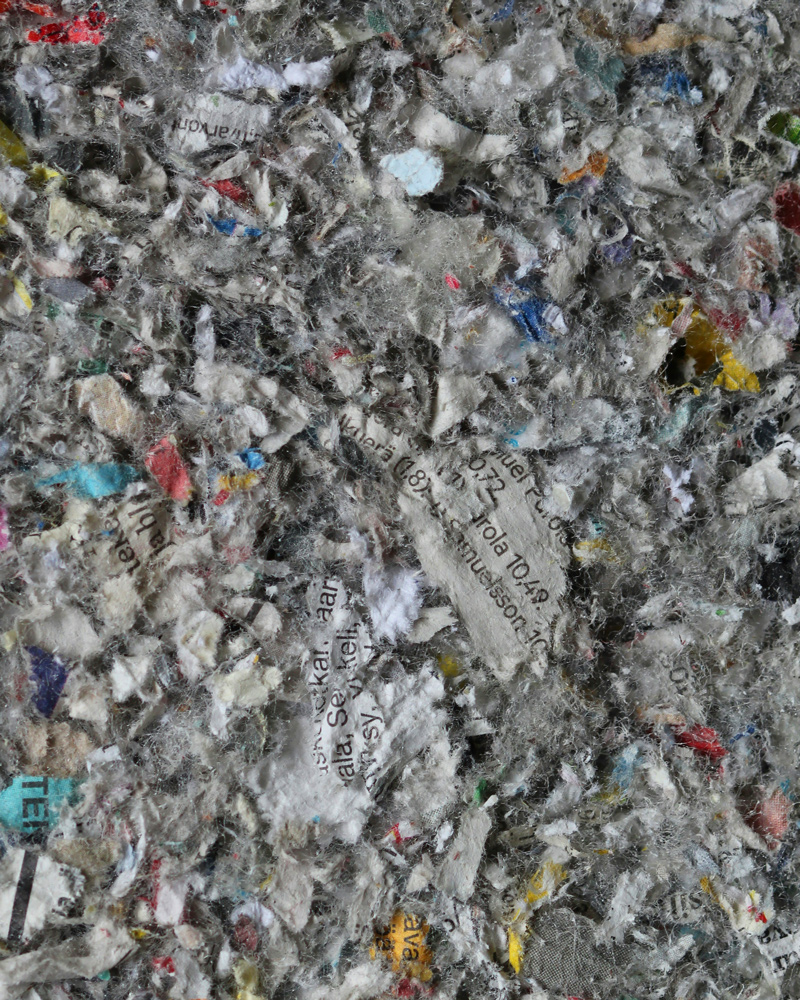
Fiberly is working to recreate cotton, not by growing it, but by engineering it.
“We take cellulose, including from recycled textiles, and rebuild fibres that mimic cotton at the structural level,” Bénédicte explains.
Instead of changing the chemistry alone, Fiberly focuses on the physical structure of the fibre: its morphology, alignment and surface texture. The result is a material designed to deliver the same experience people expect from cotton, without relying on farmland, intensive water use or pesticides.
Crucially, the fibre is designed as a drop-in replacement, allowing it to be used within existing manufacturing systems.
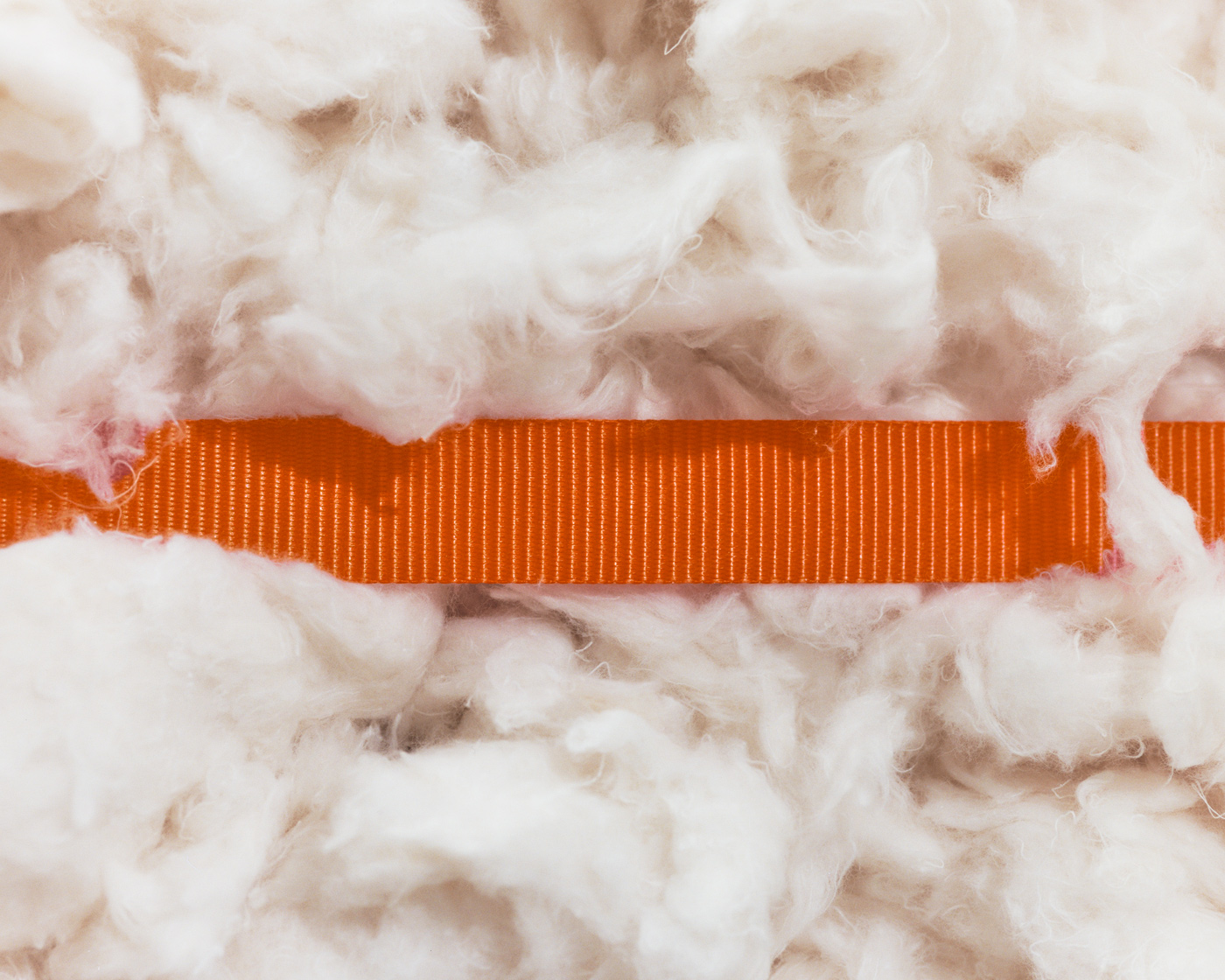
The innovation addresses two challenges at once: on one side, it reduces dependence on conventional cotton production. On the other, it creates a new use for textile waste – transforming discarded materials into high-quality fibres rather than downcycling them into lower-value applications. For brands, innovations like Fiberly could also mean more stable supply chains, less exposed to climate disruption and commodity volatility.
If solutions like Fiberly take hold, the role of cotton in the industry could begin to shift.
Textile waste could become a valuable raw material rather than a disposal problem. Land and water currently tied to fibre production could be freed for other uses. Consumers could keep the same look and feel they value – with a significantly lower impact.
This is what drives Bénédicte and her team.
“Whether you choose to tackle small problems or big ones, you’ll be spending the same amount of energy, so choose the big challenges,” Bénédicte says, “The system won’t change on its own, and the hardest problems are the ones most worth solving.”
More information
-
This is GCA
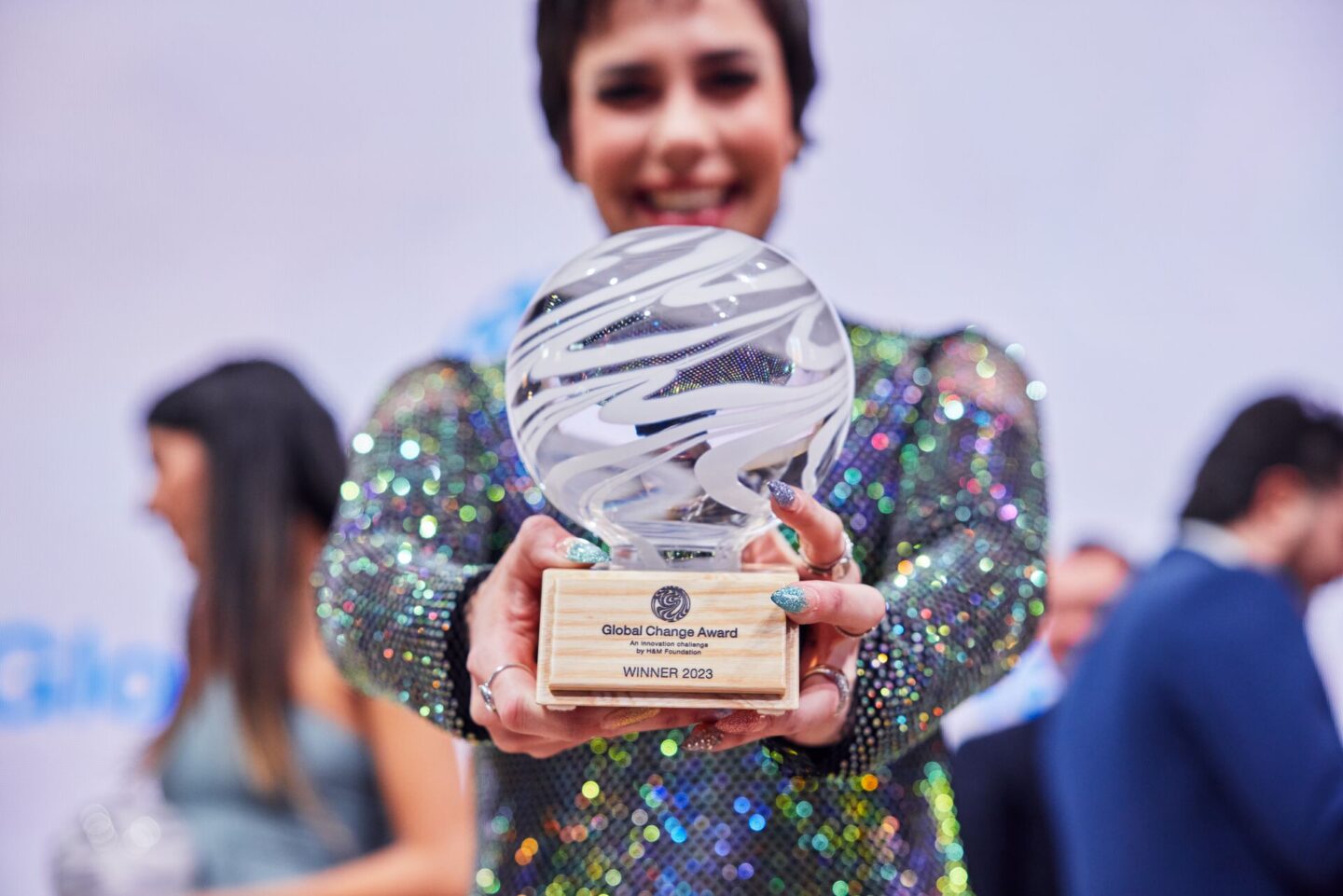
The Global Change Award (GCA) is an innovation challenge initiated by H&M Foundation. Our mission is to accelerate early-stage innovation to support the textile industry in halving its greenhouse gas emissions every decade, reaching net-zero by 2050. The H&M Foundation launched the Global Change Award…
-

GCA WINNERS
Meet our heroes – the winners of the Global Change Award – and find out how their innovations are reinventing the fashion and textile industry.
-

Changemaker programme
The Changemaker Programme is at the heart of the Global Change Award. It’s a yearlong journey designed to help each winner develop their idea, grow personally, and understand how their innovation can help rewire the system. Being selected as a GCA winner is just the…