Innovation
Tera Mira
ChangemakerS
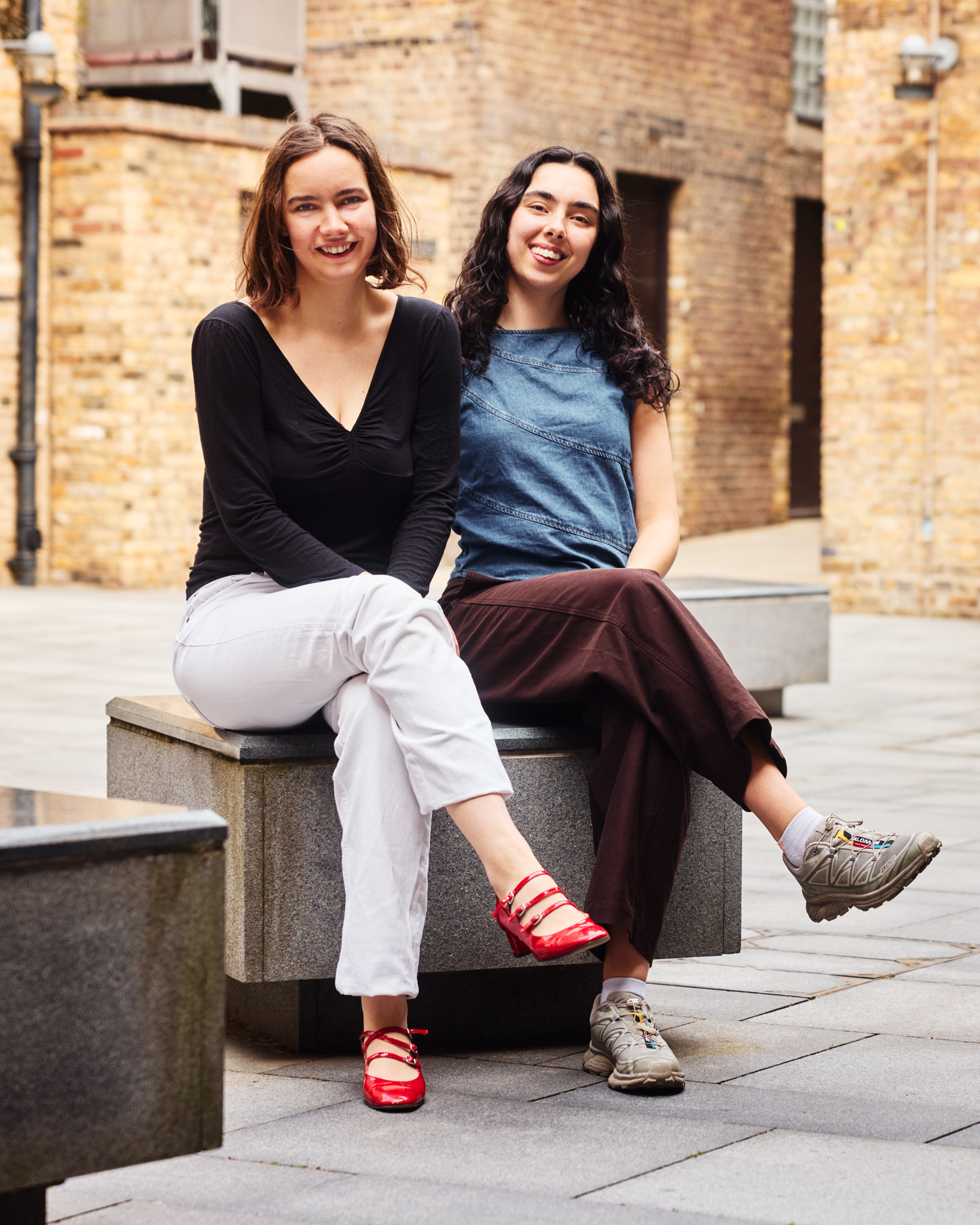
Jeanne Begon-Lours
Lucy Dain-Williams
Country
United Kingdom
WEBSITE
https://teramira.com
Rethinking stretch with seaweed fibres
Rethinking
stretch with
seaweed fibres
Innovation
Tera Mira
WEBSITE
https://teramira.com
CHANGEMAKERS
Jeanne Begon-Lours,
Lucy Dain-Williams
COUNTRY
United Kingdom
From jeans to underwear to sportswear, almost every garment we wear has stretch built into it. For Jeanne Begon-Lours and Lucy Dain-Williams, that everyday feature turned out to be a hidden barrier to change.
“Elastane is everywhere,” they say. “And even in small amounts, it makes garments almost impossible to recycle.”
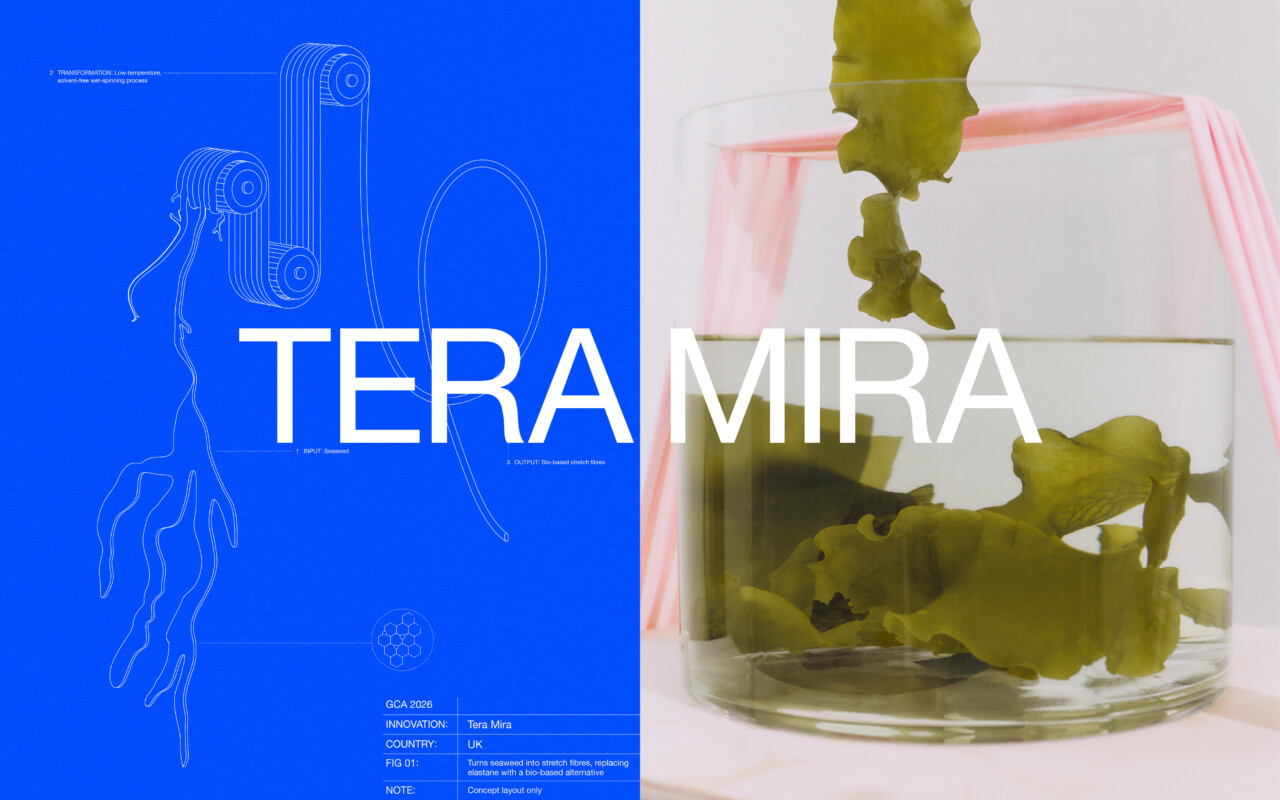
Tera Mira focuses on that overlooked problem. By replacing elastane with a seaweed-based alternative, it rethinks how stretch is made, without relying on fossil fuels or blocking circularity.
Tera Mira didn’t start with elastane. The team initially set out to develop a bio-based alternative to polyester. But after speaking with more than 80 experts across fashion, recycling, and manufacturing, a different pattern emerged.
“Elastane kept coming up as a blocker,” they explain.
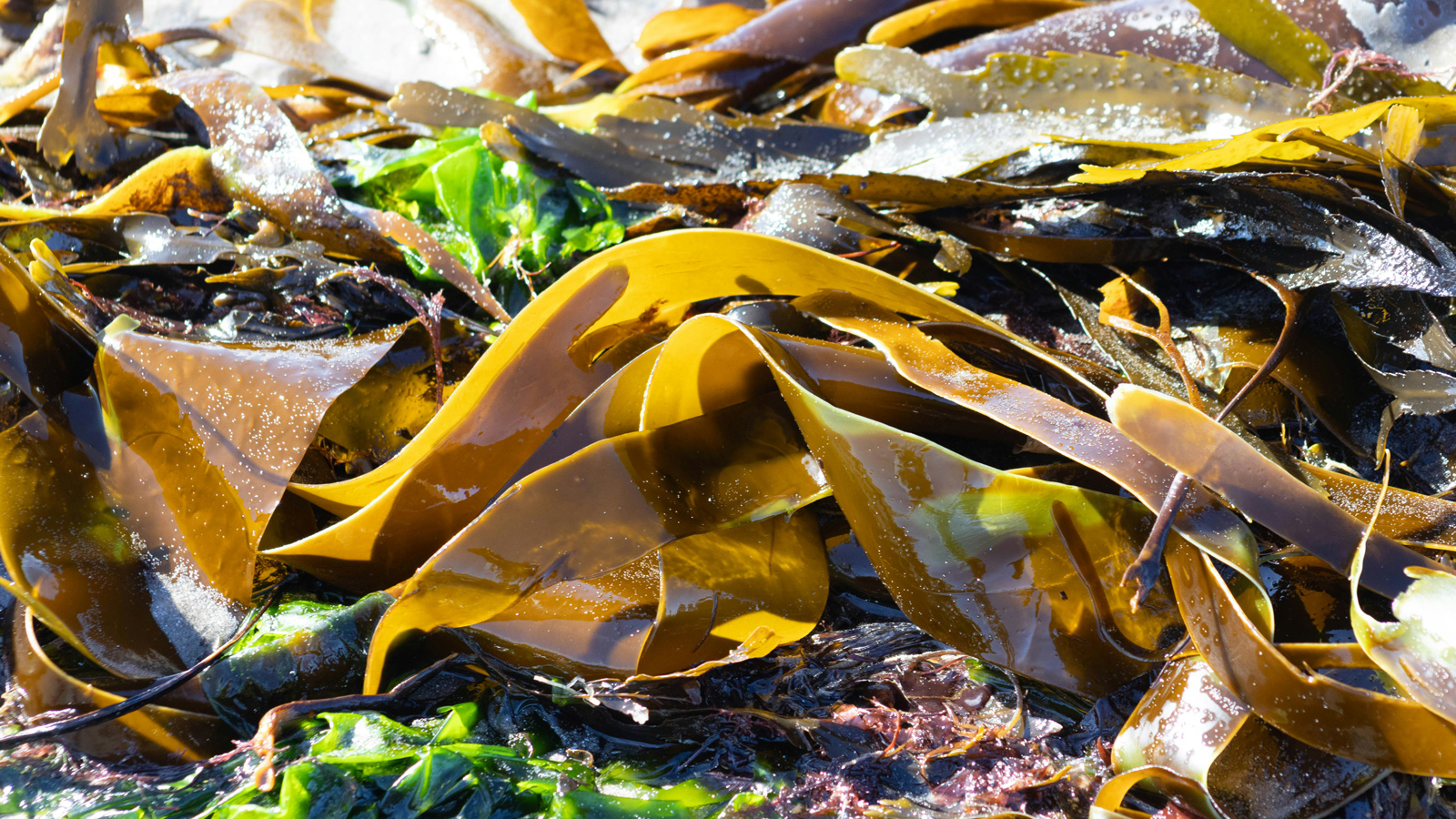
At the same time, other parts of the system were also stuck. Seaweed farmers struggled to find high-value markets. Material innovators couldn’t build fully bio-based fabrics without a sustainable stretch fibre.
That’s when the opportunity became clear: solving stretch could unlock progress across the entire system.
Instead of engineering elasticity into synthetic materials, the team looked for it in nature, and found it in biological structures that already stretch and recover: seaweed.
The result is a fibre that performs like elastane, but is fully bio-based, produced without harmful solvents and designed to biodegrade or be separated for recycling at end of life.
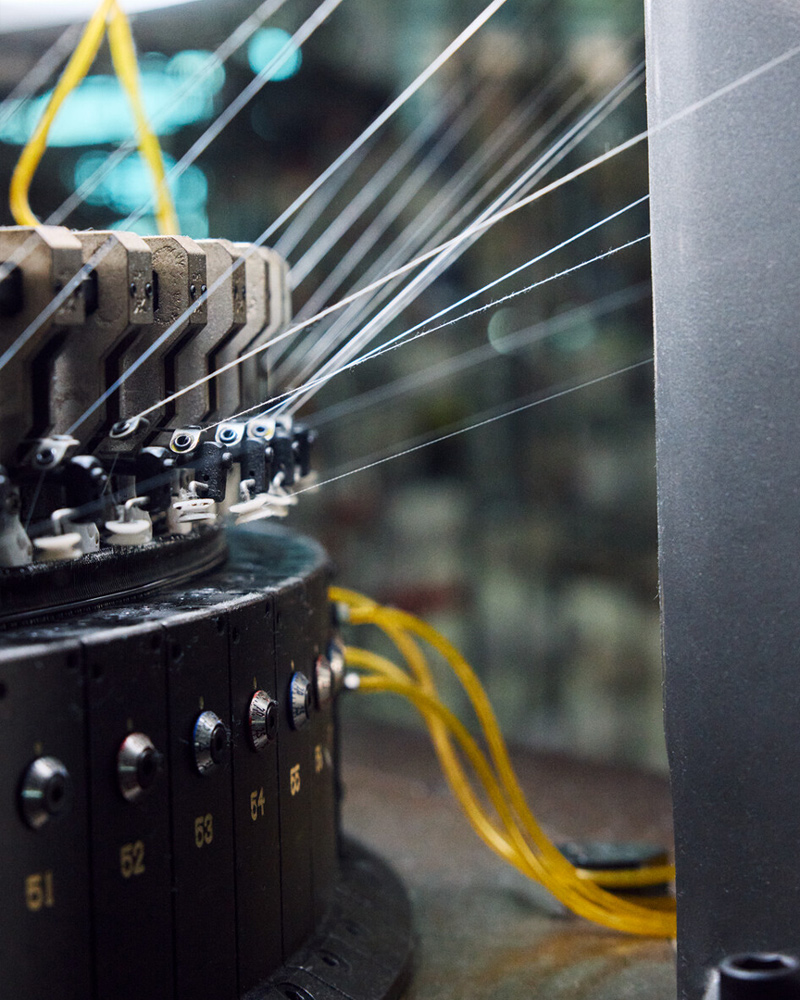
Crucially, it works on existing spinning equipment, making it possible to integrate into current production systems.
The innovation also targets a critical point in textile recycling. Traditional elastane relies on fossil fuels and toxic solvents, and even small amounts can prevent textiles from being recycled. Recyclers often reject garments containing just a small percentage of elastane, sometimes referring to it as a “machine killer” because it can clog equipment.
By replacing it with Tera Mira, designers can create garments that are compatible with recycling systems. This opens new possibilities across the value chain with fibres that can be recovered, blends that can be separated, and garments designed with end-of-life in mind.
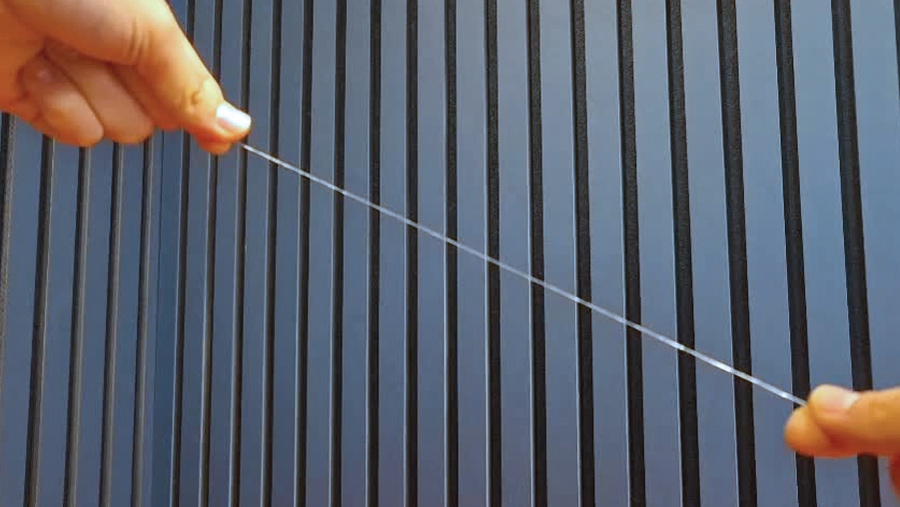
For Jeanne and Lucy, their work is shaped by what they have seen across the system.
Jeanne’s research in Kenya exposed the realities of second-hand clothing flows and the communities dealing with waste that cannot be recycled. Lucy’s experience in manufacturing showed how small design decisions can have ripple effects across entire systems. Together, these perspectives shaped their approach.
“We realised the challenge wasn’t just technical,” they say. “It was about how decisions affect everyone in the chain.”
That includes farmers, factory workers, recyclers, and consumers.
At a human level, it means reducing worker exposure to toxic chemicals, creating new economic opportunities in coastal communities through seaweed cultivation, and removing microplastics from the garments worn closest to our skin.
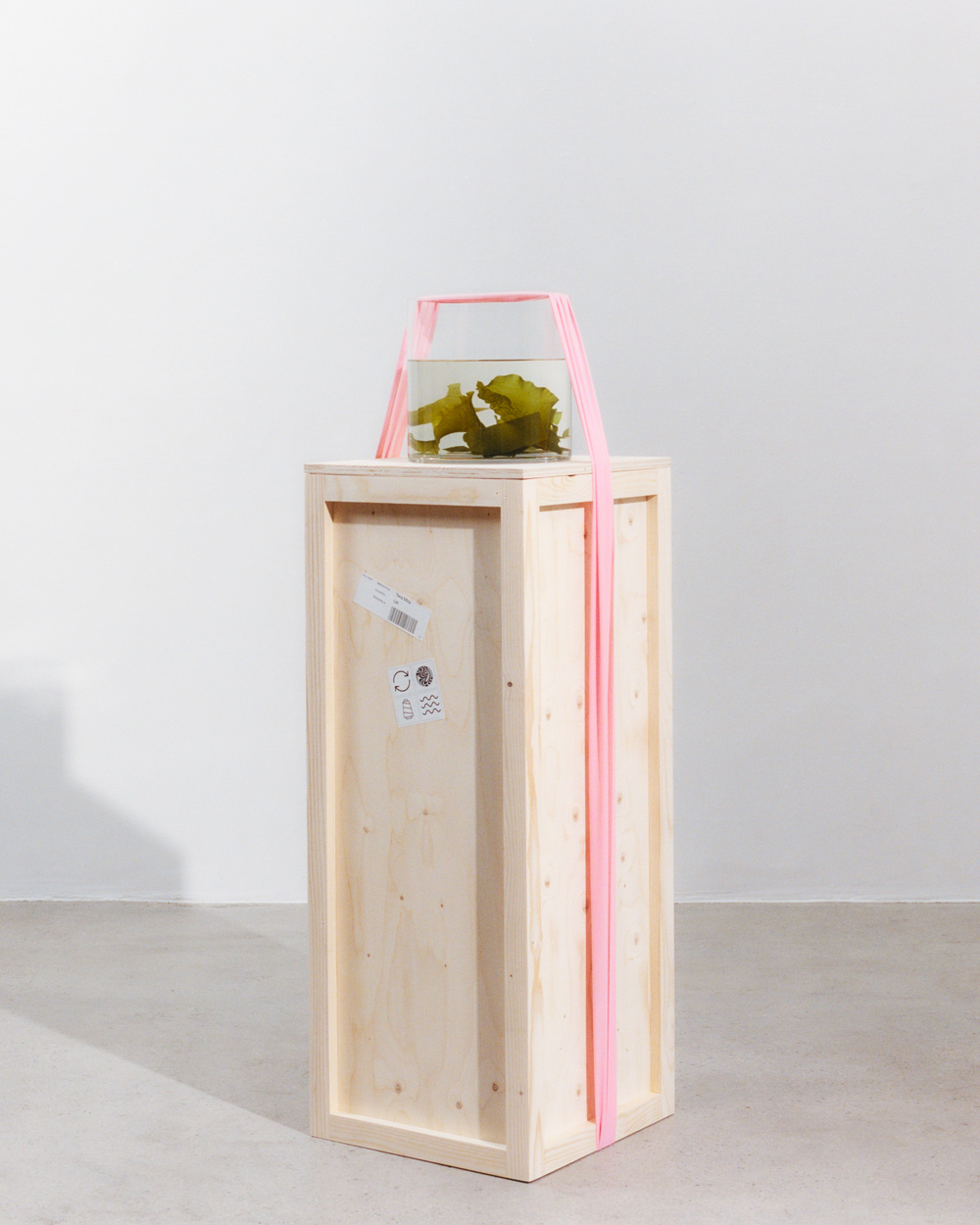
Change in complex systems rarely starts all at once, or in silos. It comes from bringing different perspectives together and listening to how problems are experienced across the value chain – something the team came to understand through their own work.
“The textile system is too complex and interconnected for any single company to transform alone,” they say. “We need chemists, brand strategists, coastal communities, regulators, consumers, and other innovators, all pulling in the same direction. Find your lever. Find your people. Pull together.”
Recent winners
-
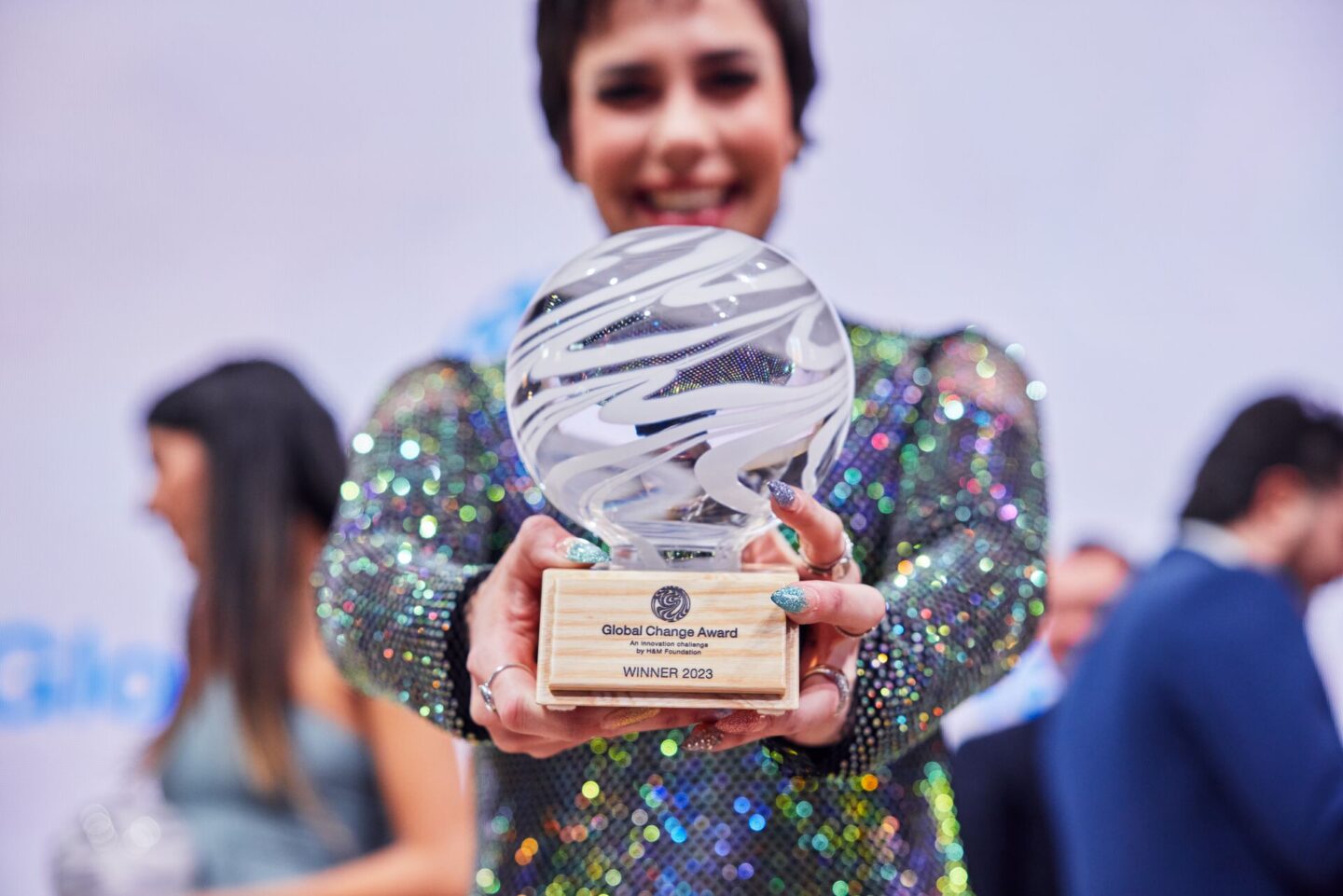
This is GCA
The Global Change Award (GCA) is an innovation challenge initiated by H&M Foundation. Our mission is to accelerate early-stage innovation to support the textile industry in halving its greenhouse gas emissions every decade, reaching net-zero by 2050. The H&M Foundation launched the Global Change Award…
-

GCA WINNERS
Meet our heroes – the winners of the Global Change Award – and find out how their innovations are reinventing the fashion and textile industry.
-

Changemaker programme
The Changemaker Programme is at the heart of the Global Change Award. It’s a yearlong journey designed to help each winner develop their idea, grow personally, and understand how their innovation can help rewire the system. Being selected as a GCA winner is just the…