Fashion Climate Fund – supplier-led decarbonisation
The Fashion Climate Fund, led by Apparel Impact Institute, supports suppliers in Asia to decarbonise their operations, prioritising equity, innovation, and local capacity. With support from H&M Foundation, this three-year initiative focuses on thermal energy solutions and clean financing, with the potential to achieve a reduction of approximately 30–50 million tonnes CO2 by 2030.
Apparel suppliers face well-known barriers to decarbonisation – limited capital, technical constraints, and inconsistent access to clean energy solutions. At the same time, much of the pressure to reduce emissions comes from brands, often without a corresponding willingness to share the cost. The Fashion Climate Fund, led by the Apparel Impact Institute (Aii), is designed to tackle these obstacles directly by supporting practical, supplier-driven solutions.
Decarbonisation has to start where emissions are highest – and that means tackling energy use in manufacturing. This fund does that, while also shifting the power balance – giving suppliers the tools and decision-making power to lead the transition on their terms.
Christiane Dolva, Head of Innovation, Research & Demonstration, H&M Foundation
Focus on high-emission suppliers in Asia
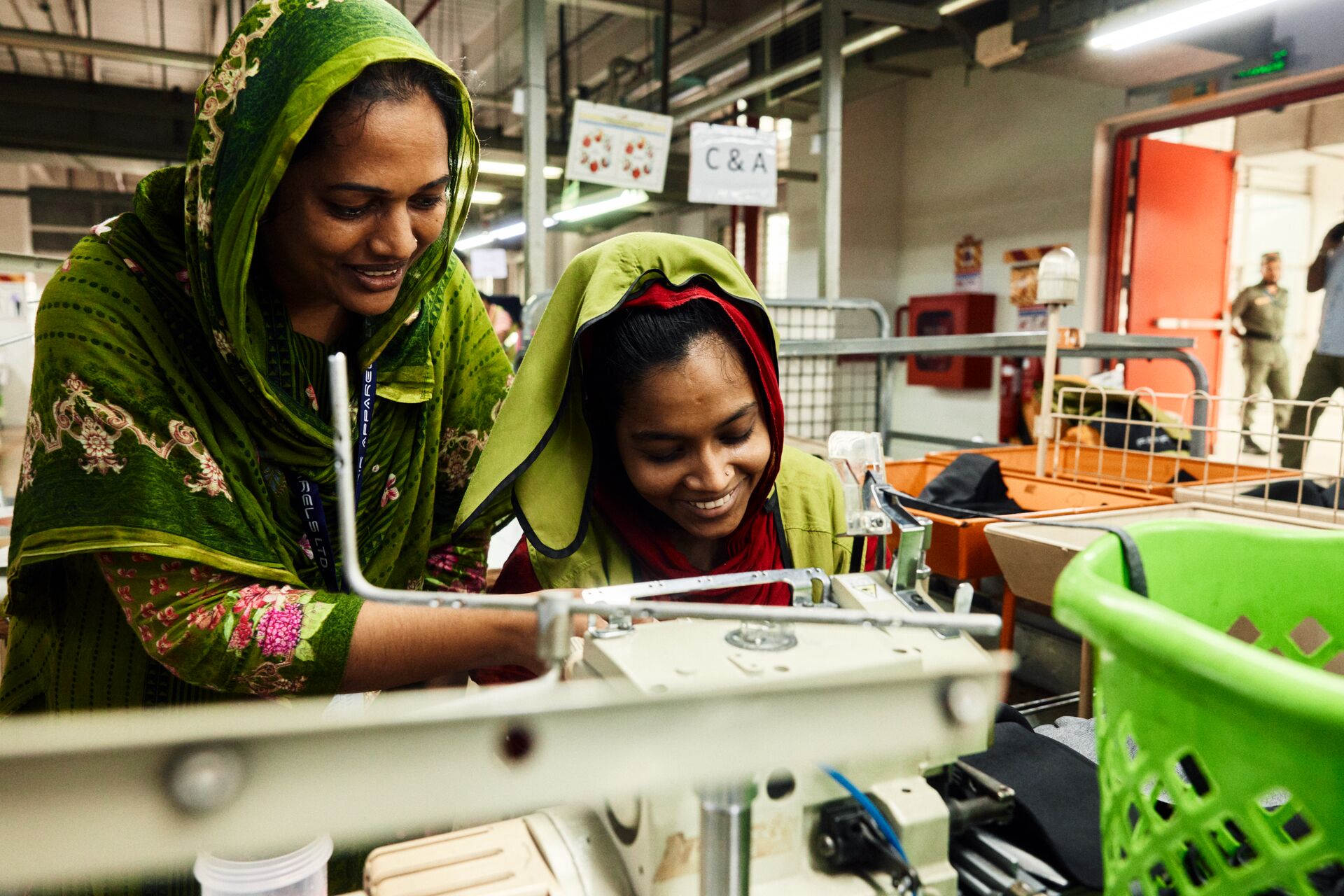
Targeting Tier 2 textile manufacturers in India, Bangladesh, China, and Vietnam, the fund supports over 2,000 facilities – particularly those with high emissions and limited access to capital. Through a supplier-led model, manufacturers are engaged in co-designing their decarbonisation journey, supported by technical and financial tools tailored to their regional needs.
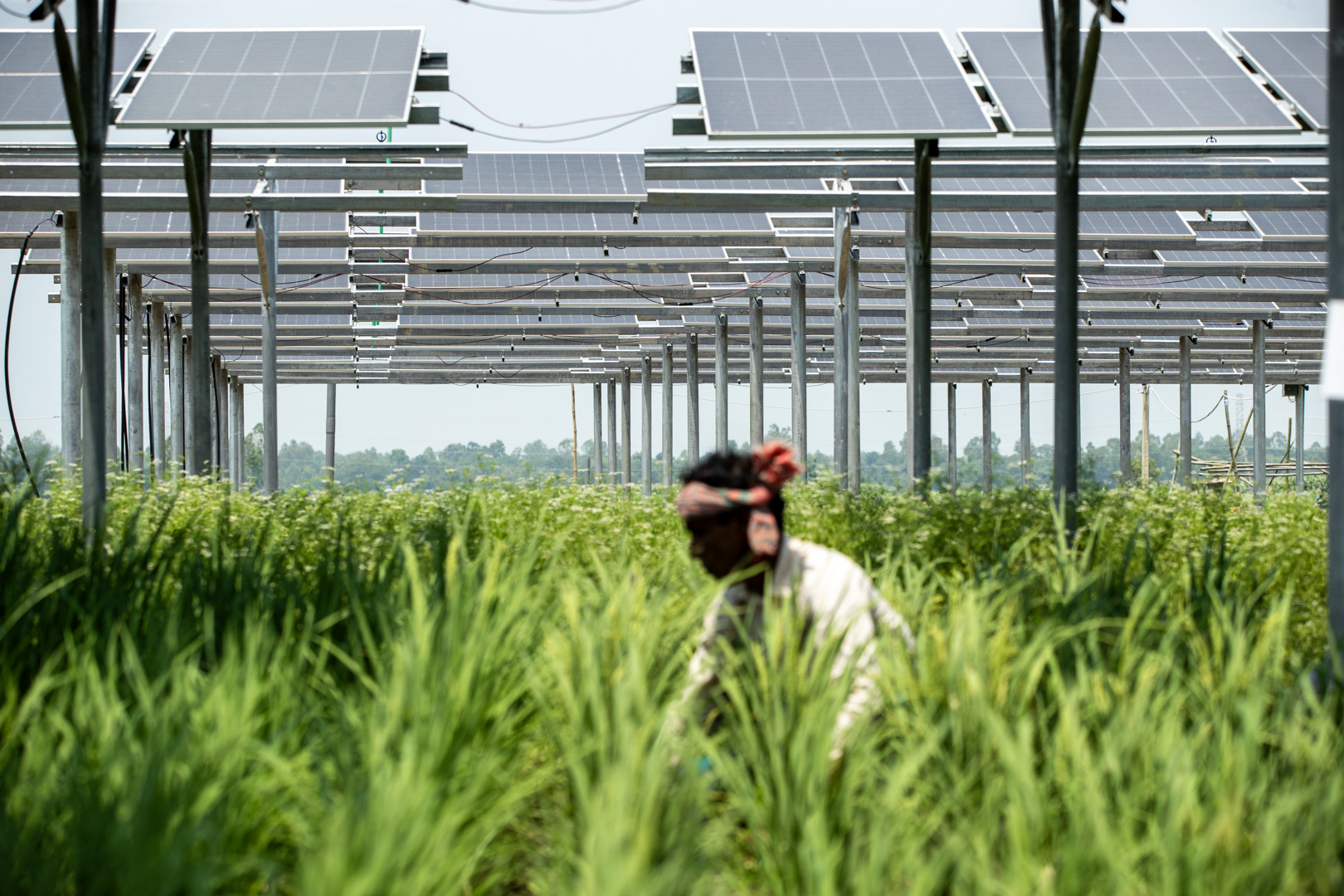
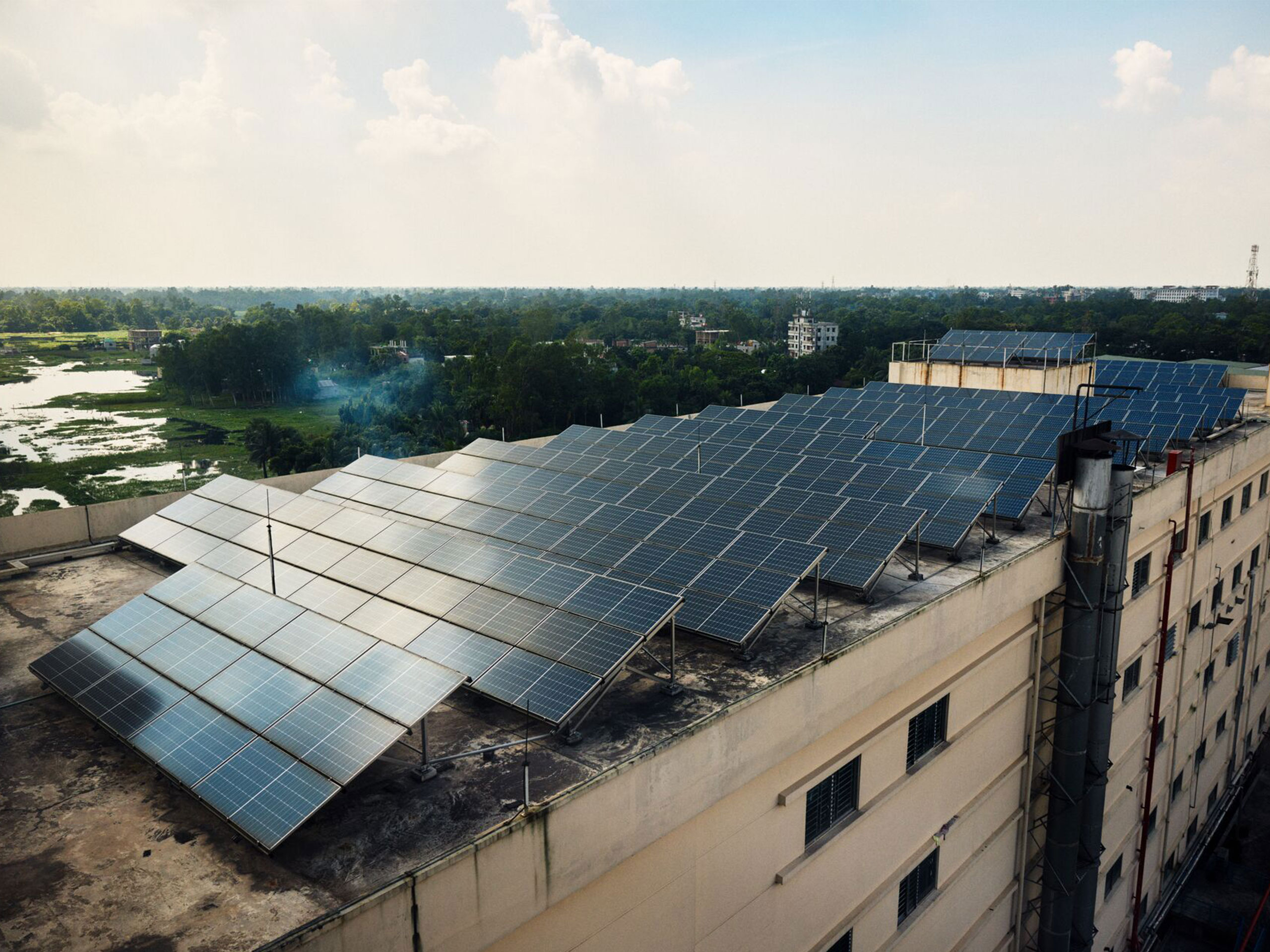
This includes localised market research, workshops to align stakeholders, and partnerships with organisations to pilot solutions such as heat pumps and solar thermal systems.
Financing change, not just technology
To address the financial risk of decarbonisation, Aii is deploying blended finance models that help manufacturers access funding. The initiative also prioritises capacity building and transparency through open-data platforms that track progress, identify cost savings, and ensure accountability.
A key element is the Low Carbon Thermal Energy Roadmap – a strategic guide to phasing out fossil-based thermal energy in textile production, which guides investment into thermal energy transitions – a major emissions source in textile production. With 240 facilities already participating and plans to scale up to 2,000 by 2030, the fund demonstrates how coordinated, regional action can deliver measurable climate impact.
A replicable model for the industry
By 2030, the Fashion Climate Fund aims to contribute to reducing emissions by 30–50 million tonnes of CO2, build a model for supplier-led climate action, and secure brand commitments for electrification and cleaner energy use. If successful, the project will provide a scalable blueprint for reducing emissions across the global textile supply chain.
About the first phase
Between 2022 and 2025, the H&M Foundation contributed SEK 36 million to the first phase of the Fashion Climate Fund, led by the Apparel Impact Institute. This phase focused on building a strong foundation for industry-wide decarbonisation by scaling proven solutions such as renewable electricity, energy efficiency, and the elimination of coal in manufacturing. The fund also aims to unlock up to $2 billion in blended capital to help the fashion industry halve emissions by 2030.
Project time period
Financial Support:
SEK 24 million
Focus Areas:
Partners:
Countries:
For more information about the project, please visit apparelimpact.org.