Reimagining equity: reflections on phase 1 and what’s next for Oporajita
As the green transition accelerates, how can we make sure women aren’t left behind? Our Programme Director Charlotte Brunnström shares what we’ve learned from phase 1 of Oporajita in Bangladesh – and what’s coming next.

Charlotte Brunnström, Programme Director at H&M Foundation.
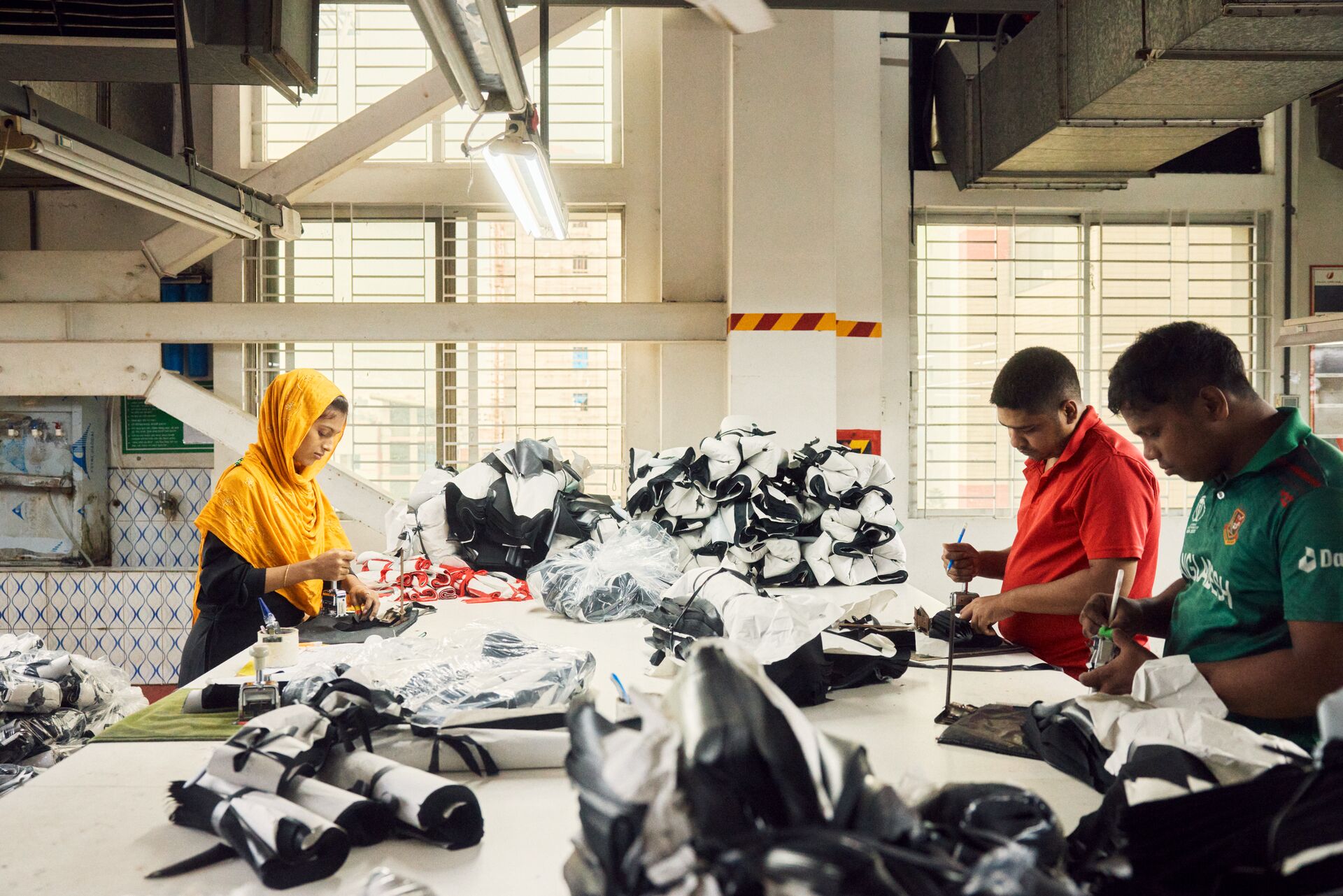
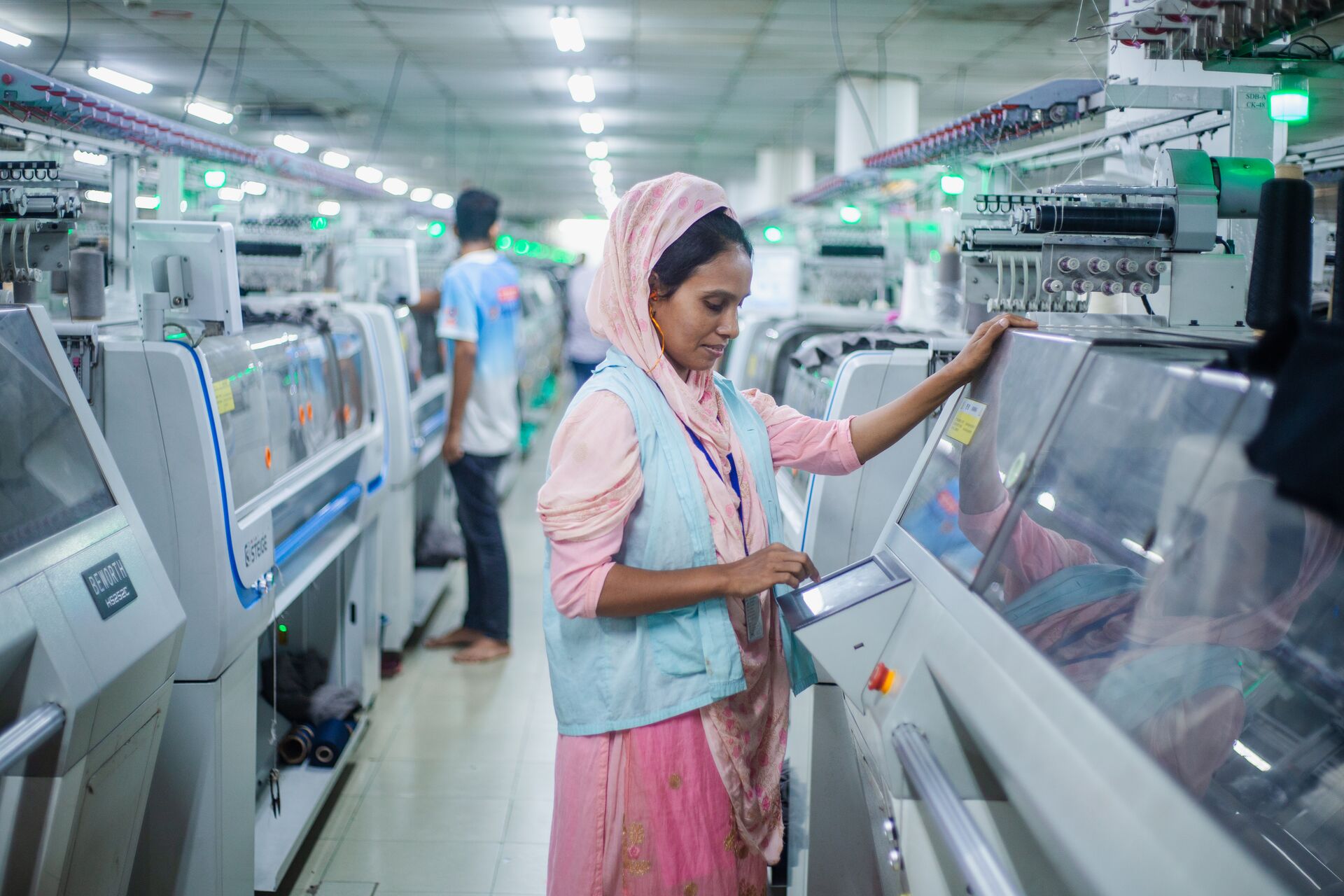
When we launched phase 1 of Oporajita in 2022, our goal was bold: to ensure a just transition for women in Bangladesh’s ready-made garment (RMG) sector. With climate change reshaping the industry, we knew we had to act now, before the shift towards green and digital solutions left women behind.
We set out to create an enabling environment where women can thrive, make informed decisions, and compete on equal terms with men for future jobs in the sector. But as with all systems change, it was never going to be easy or fast.
Collaboration is the only way forward
We started with listening, especially to the women workers themselves. Several components of the programme were co-designed with them, a critical step in shifting power relations and ensuring that our interventions were truly relevant.
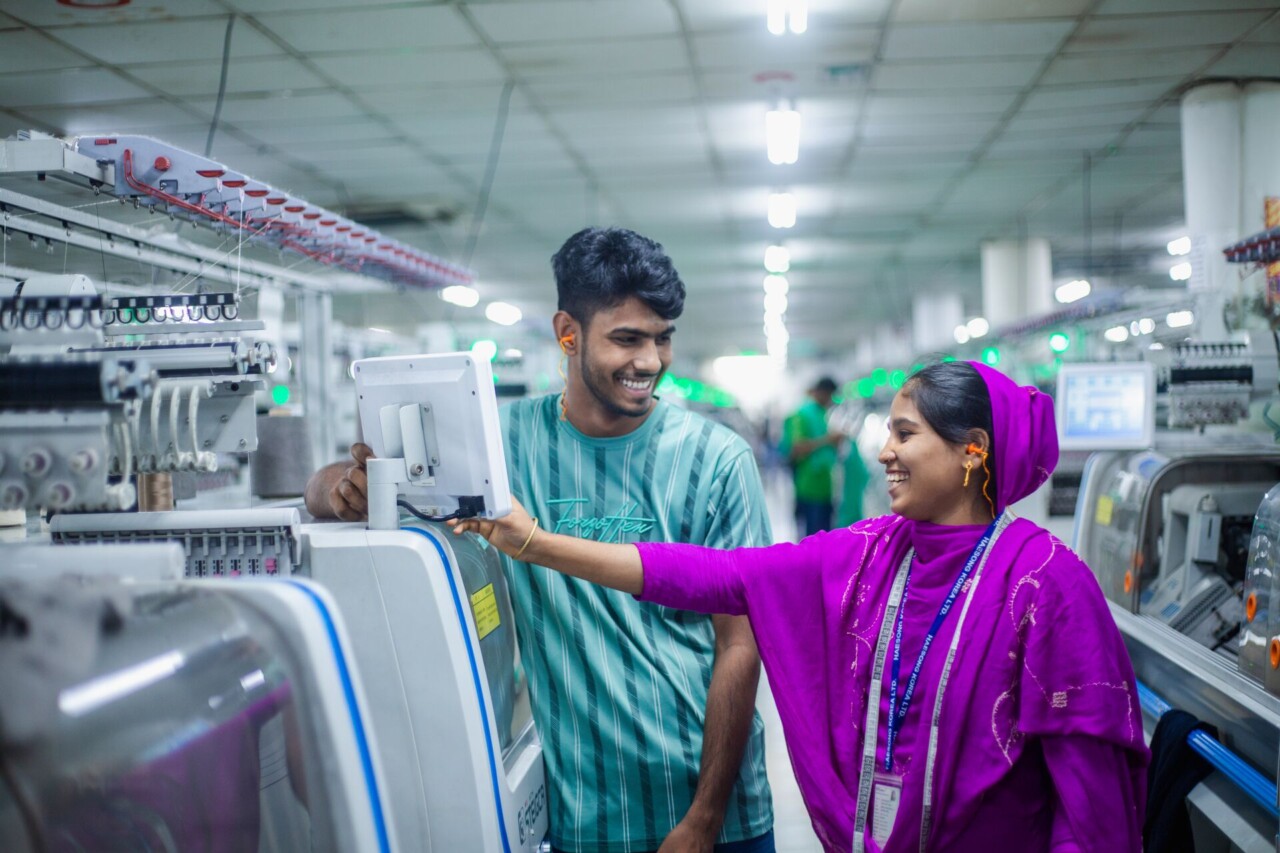
From day one, we knew we couldn’t go it alone. We began by engaging a backbone organisation with deep local knowledge, language skills and a strong understanding of the existing stakeholder landscape. Together, we onboarded 11 implementing partners with expertise in water, education, gender-based violence, skills training, financial literacy and social security. We also brought in forward-thinking innovators to help suppliers adopt people-led just solutions that could be drivers in the green transition.
Collective Impact in practice: messy, powerful, transformative
To guide our work, we adopted the Collective Impact approach which is a structured method for enabling diverse organisations to learn, adapt and drive change together. Over time, we’ve refined the model to fit our context, always aiming to keep the voices of women workers at the centre of design and implementation.
But let’s be honest, collaboration sounds lovely on paper. In practice, it takes a lot of work. Constant alignment, shared language, open communication. And yes, conflict resolution. Our job was not just to be a funder, but to support these diverse actors to work collectively towards something bigger than the sum of their parts.
One lesson stands out: true collaboration takes time. Even when organisations work with the same target group in the same geographic area, coordinated action doesn’t happen automatically. Continuous effort is needed to align goals, build trust, and identify mutually reinforcing activities.
Learning through disruption
The operating context has been anything but stable. From the aftermath of Covid-19 to low-wage protests, a dengue outbreak and wider socio-political unrest, the situation has demanded constant agility from everyone involved.
Partners have had to revise their plans, more than once, just to reach the women they were meant to involve. Physical restrictions, curfews and safety risks have made implementation challenging. As donors, we’ve had to show flexibility too around project plans, results, timelines and funding. It’s a reminder that trust, transparency and honest dialogue are not just “nice to have”, but essential ingredients for long-term change.
Despite the obstacles, we’ve seen promising signs of impact. Phase 1 revealed the power of partnership, the strength in diversity, and the value of creating a shared culture and agenda across all partners. We’ve seen women step into leadership roles, grow their incomes, and find new employment paths. We’ve also seen a shift in how they’re perceived: not as passive recipients of aid, but as agents of change, shaping the future of their communities.
Looking ahead: embedding climate resilience and rights
For phase 2, we’ve sharpened our focus on just climate transition. An extensive scenario planning process, resulting in the report Just Climate Transitions in Bangladesh, helped us identify which stakeholders and interventions are most likely to drive long-term impact over the next three years.
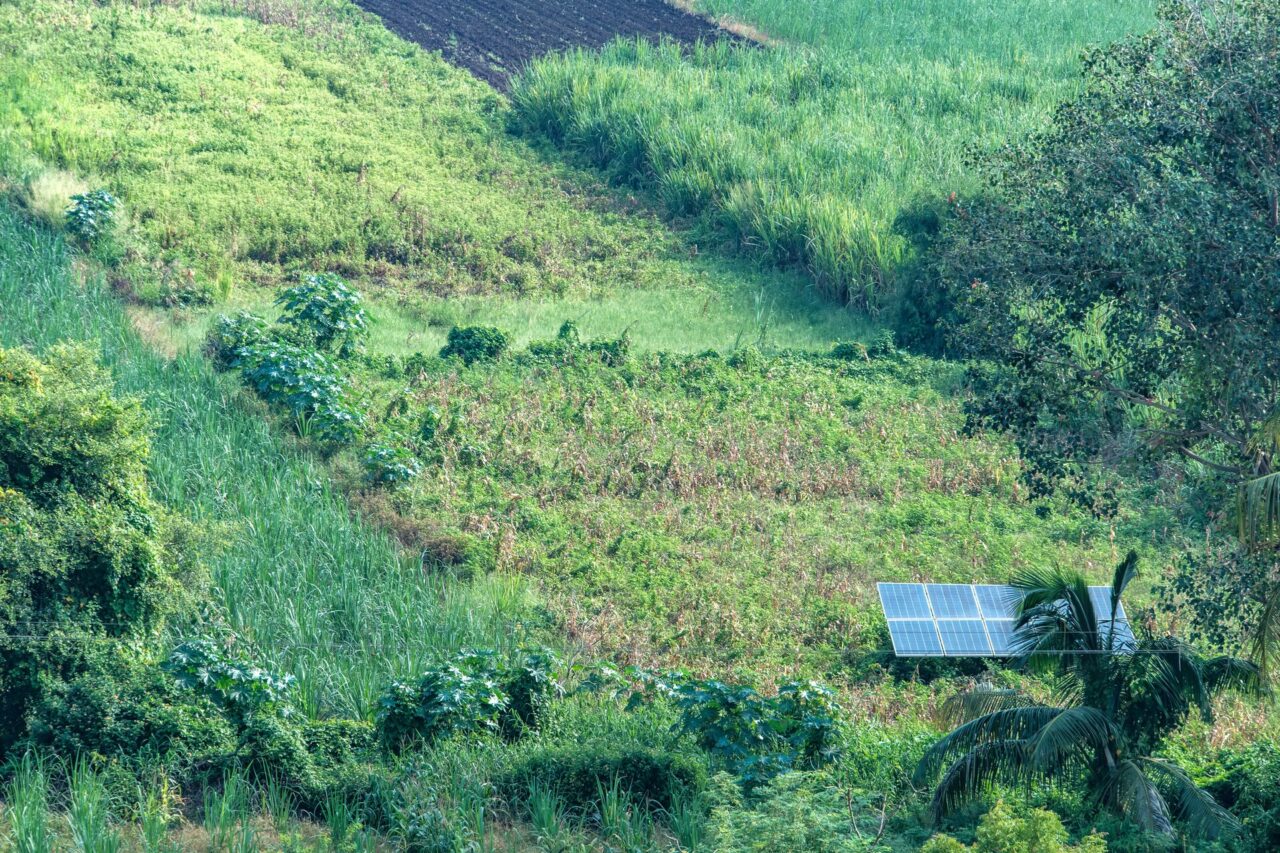
This time around, we’re embedding climate change adaptation and mitigation into every component of the initiative. That includes continuing skills training (both hard and soft), access to WASH services, and digital financial literacy. At the household and community level, we’ll continue working on perception change, STEM education for girls, parenting support and childcare.
But we’re also going bigger and bolder.
Press contact
Head of Communications
About Oporajita
Oporajita is a first-of-its-kind collective impact initiative led by the H&M Foundation, bringing together a growing ecosystem of organisations to address these challenges holistically. Our shared goal is to enable a just transition that centres women as key agents of change in a future resilient, low-carbon RMG industry.
The starting point of Oporajita were a number of pilots that kicked off in 2020, including response to the urgent needs of women garment workers affected by Covid-19. The activities within the Oporajita initiative were then defined, implemented and evaluated together with the women garment workers themselves and cover multiple needs within three thematic areas; Enabling environment, Skills training and RMG sector competitiveness.