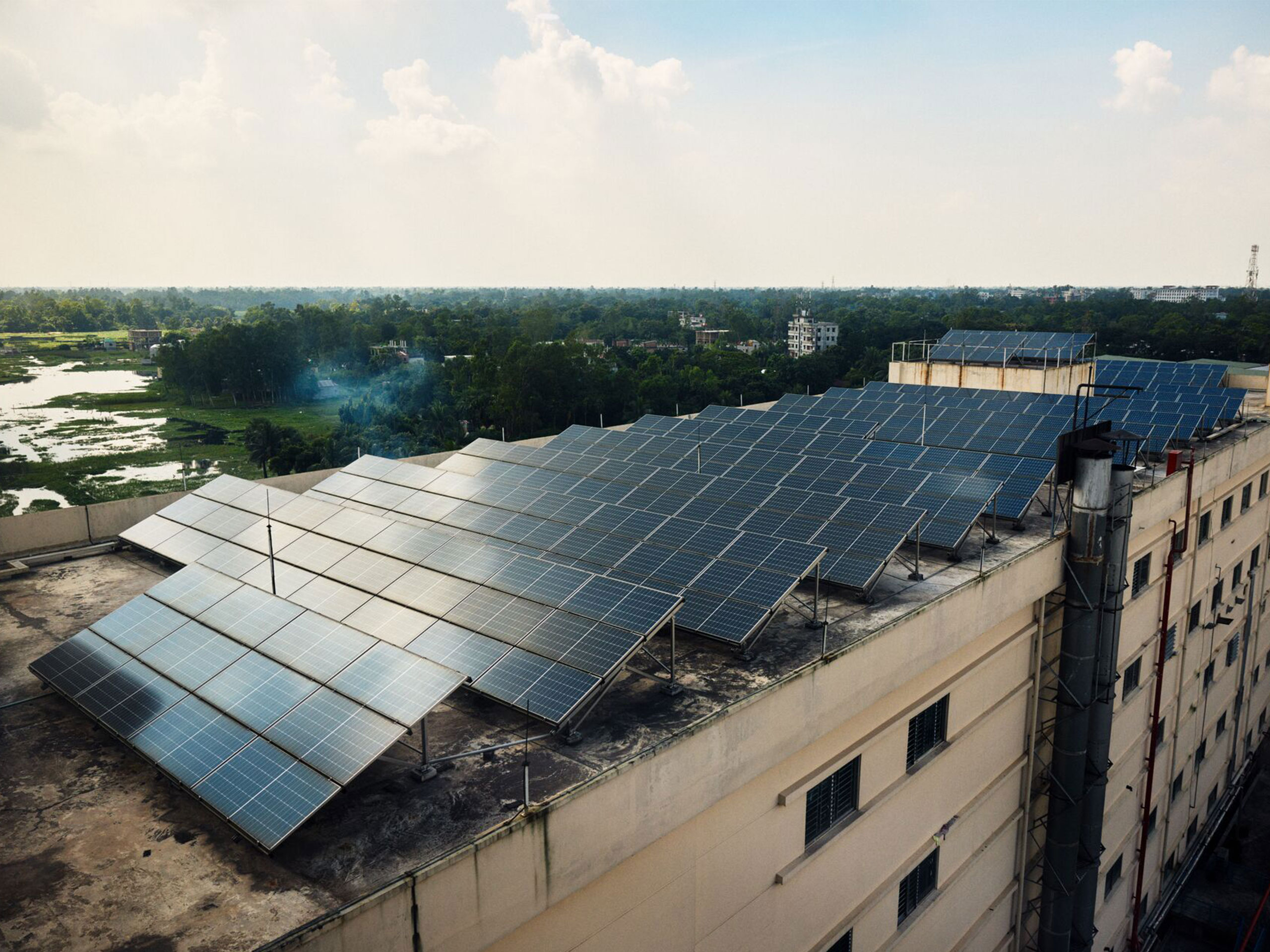
What the data tells us about climate progress in the textile industry
After years of research, roadmaps and pilots, the textile and fashion industry knows where its biggest emissions sit. The harder question is why progress still struggles to scale. Drawing on recent insights from Apparel Impact Institute and the H&M Foundation’s collaboration through the Fashion Climate Fund, this article examines what the latest evidence shows about where the industry stands – and what it will take to turn climate ambition into measurable impact.
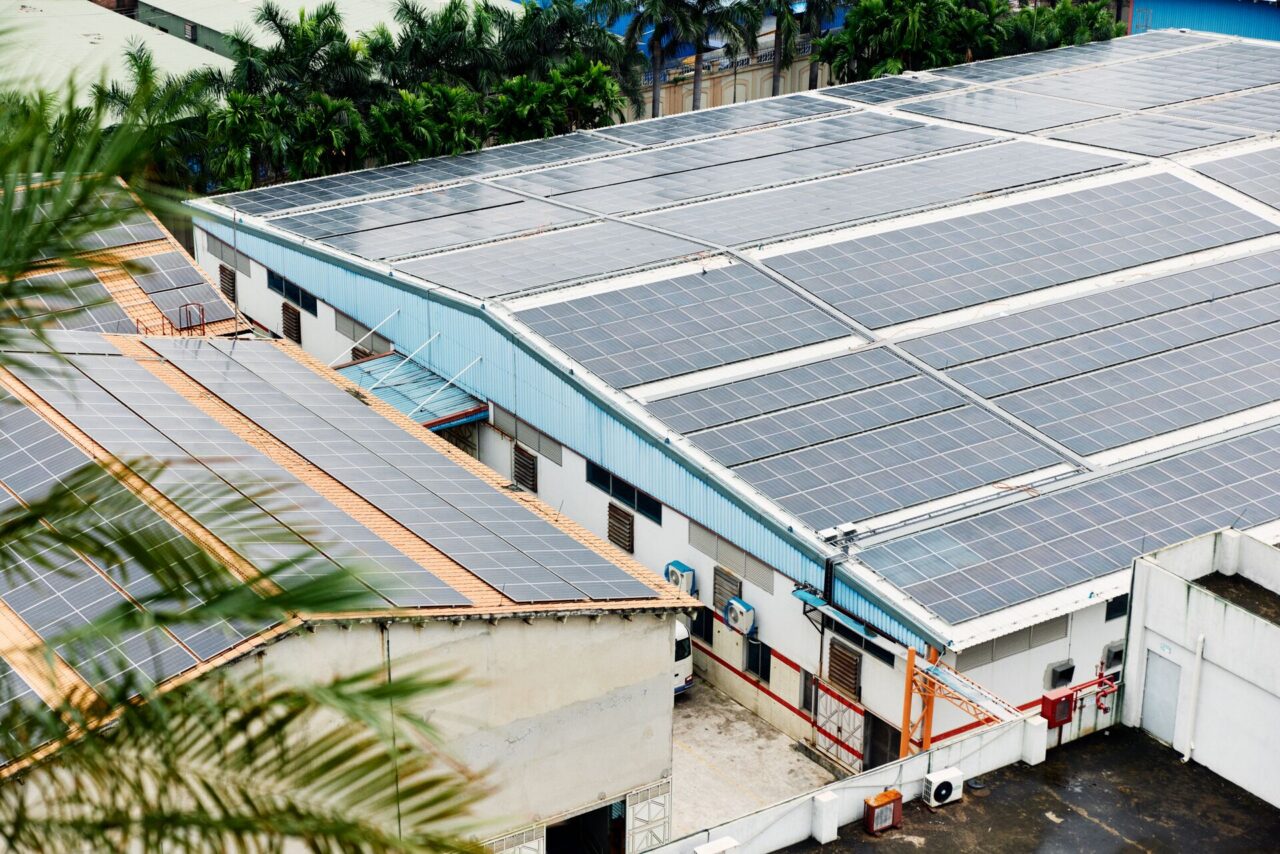
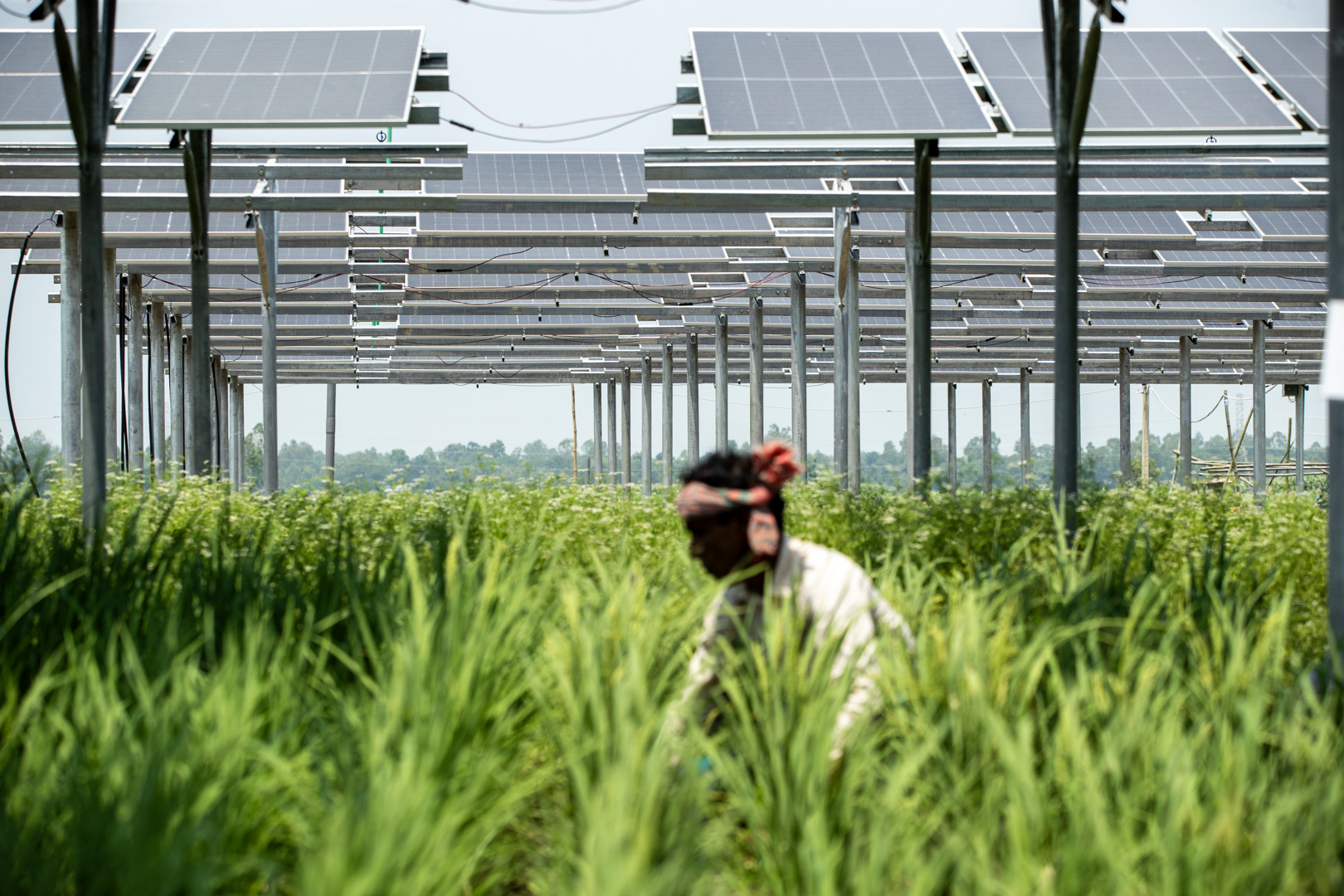
Since 2022, the H&M Foundation and Apparel Impact Institute (Aii) have collaborated through the Fashion Climate Fund to support industry-wide decarbonisation in the textile industry. Early work focused on building the conditions for scale – supporting proven solutions such as renewable electricity, energy efficiency and the phase-out of coal in manufacturing. Building on that, the H&M Foundation is committing a further SEK 24 million over three years (2025–2028) to continue supporting Aii’s work through the Fashion Climate Fund.
So what does the data show? Across Aii’s latest research, a consistent picture begins to emerge.
The emissions curve is bending the wrong way
The most recent Taking stock of progress against the roadmap to net zero delivers a stark finding: apparel sector emissions increased by 7.5% year-on-year, reaching approximately 944 million tonnes of CO₂e in 2023. This marks the first significant increase since Aii began tracking sector emissions in 2019.
The rise comes at a critical moment. To remain on a 1.5°C-aligned pathway, the textile industry would need to reduce emissions by around 45% by 2030 from 2019 levels. Instead, emissions are moving in the opposite direction.
If the apparel sector is serious about climate action, we have to tackle thermal energy.
Lewis Perkins, President and CEO, Apparel Impact Institute

The report identifies growth in polyester production as the primary driver behind the increase, underscoring a structural challenge for the industry: efficiency gains and targeted interventions are being outpaced by volume growth. Importantly, where emissions sit across the value chain has changed little.
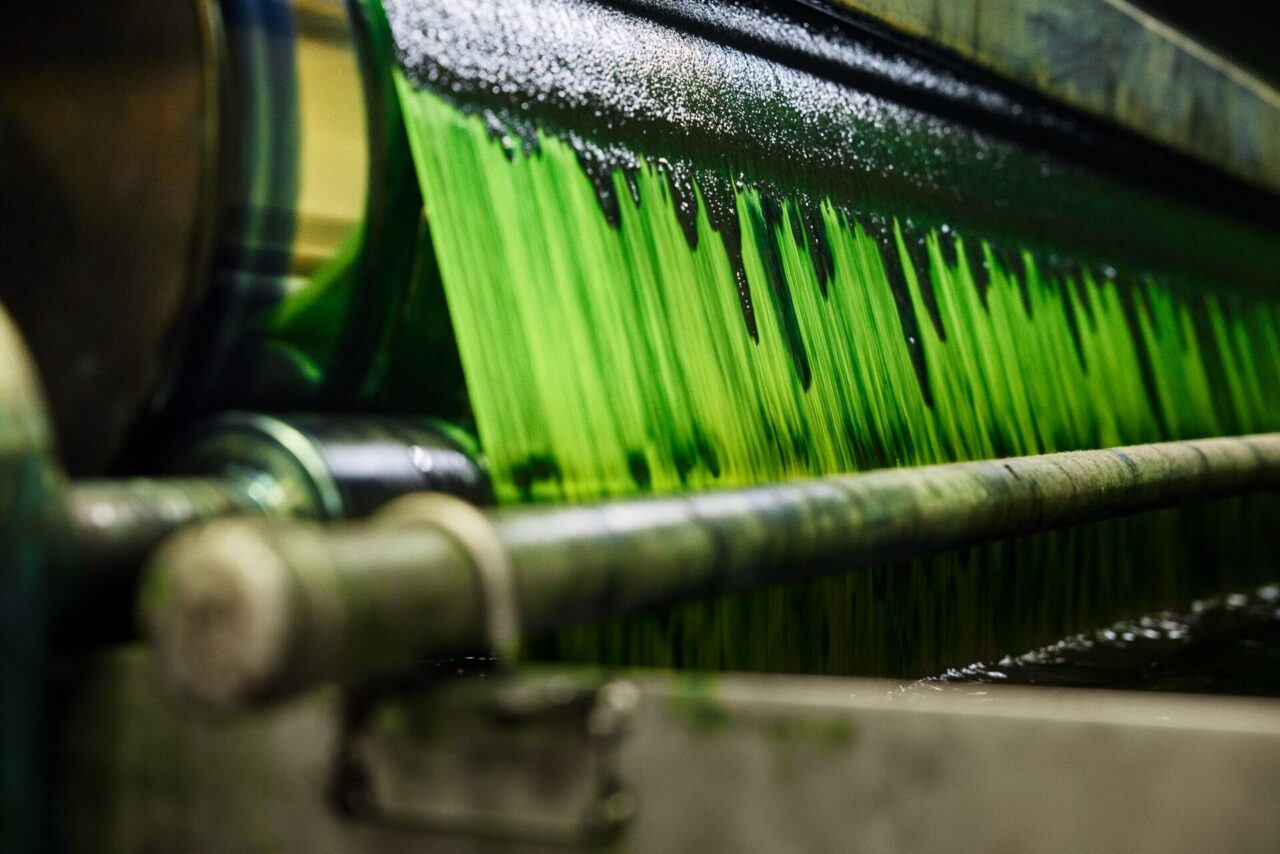
Textile processing (Tier 2) continues to account for roughly 55% of total apparel sector emissions, followed by raw material production at around 22%. This concentration means that the path to meaningful reductions depends less on incremental improvements elsewhere, and far more on tackling energy-intensive manufacturing processes.
“The sector is not yet moving fast enough,” says Lewis Perkins, President and CEO of Apparel Impact Institute. “Despite the headlines and climate commitments, there is a gap in action, investment, and scale.”
The report also shows reasons for cautious optimism. More than 600 apparel, footwear and textile companies now have approved science-based targets or commitments to set them, and there are clear examples of brands and manufacturers achieving absolute emissions reductions. But these examples have not yet shifted the industry’s overall trajectory.
The challenge, increasingly, is not a lack of intent – but the ability to align action, investment and accountability at the scale required.
Where emissions actually sit – and why that changes priorities
The emissions data has direct implications for where the industry should focus its efforts.
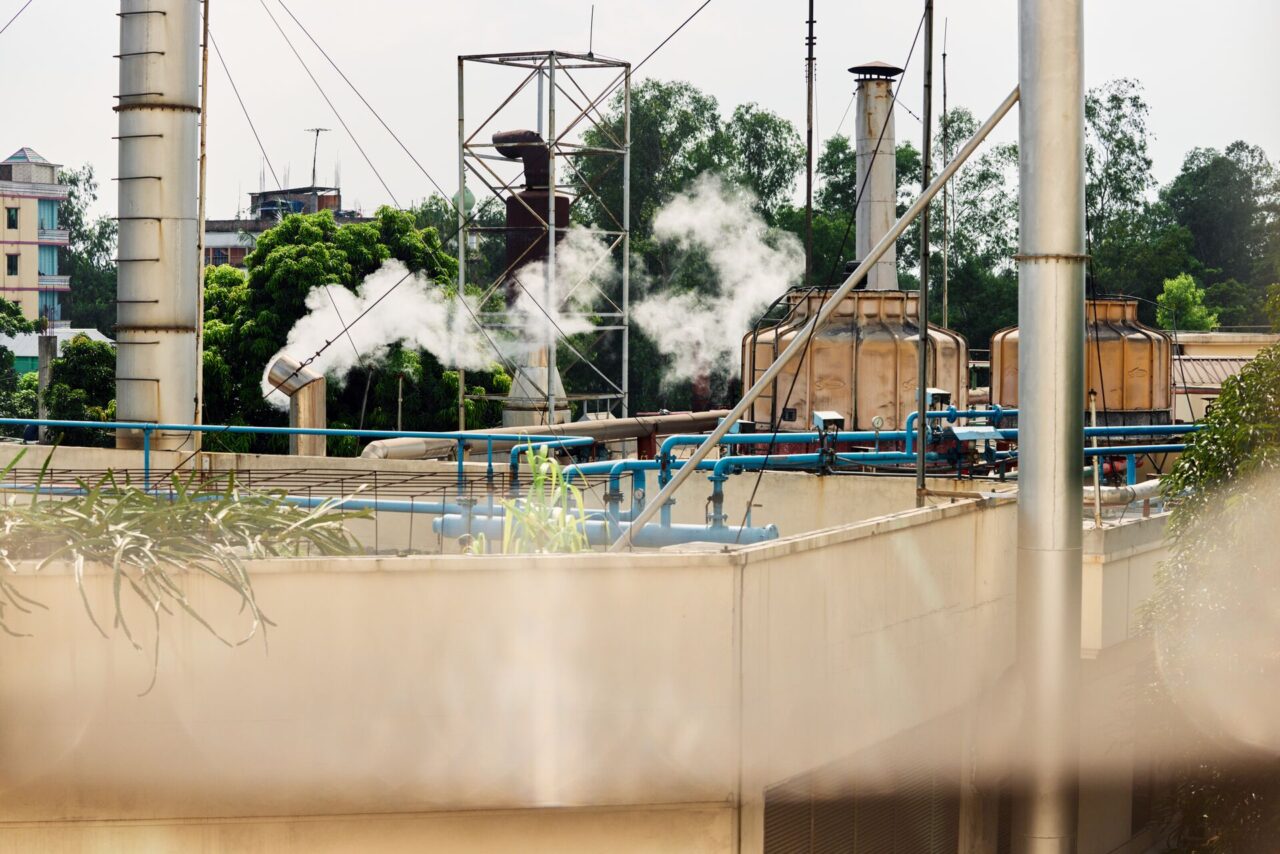
With Tier 2 manufacturing dominating the industry’s footprint, thermal energy – the heat and steam required for wet processing – emerges as the single most important decarbonisation lever. This is the focus of Aii’s Low-carbon thermal energy roadmap for the textile industry, which moves beyond ambition and into comparative, country-specific analysis.
The roadmap evaluates pathways for decarbonising thermal energy across major sourcing countries including China, India, Vietnam, Bangladesh and Indonesia, comparing electrification options (electric boilers and heat pumps) with alternative fuels such as biomass and natural gas. The analysis considers emissions performance, lifetime cost and feasibility under different grid and renewable-energy scenarios.
Its conclusion is that electrification paired with renewable electricity is the only credible long-term pathway compatible with net zero.
Across geographies, heat pumps consistently outperform other technologies when renewable electricity is available, delivering both lower emissions and lower lifetime costs due to their high efficiency. Electric boilers can play a role in the near term where heat pumps are not yet viable, but their climate benefit depends entirely on grid decarbonisation and renewable power procurement.
The roadmap’s comparative analysis shows a narrowing set of viable options:
- Heat pumps deliver the lowest emissions and lowest lifetime costs where renewable electricity is available.
- Electric boilers can play a near-term role, but only deliver climate benefits as grids decarbonise.
- Sustainable biomass may offer limited, transitional emissions reductions, but is constrained by feedstock availability, rising costs and deforestation risk.
- Natural gas is not net-zero compatible due to methane leakage and the risk of long-term fossil lock-in.
“If the apparel sector is serious about climate action, we have to tackle thermal energy,” says Perkins. “The roadmap shows it’s possible – and that the biggest gains come from supporting the manufacturers doing the hardest work.”
The analysis also highlights a critical caveat: electrification alone does not guarantee emissions reductions. Without parallel progress on renewable electricity and grid decarbonisation, emissions can simply shift upstream rather than decline.
Supplier action is growing – but uneven and constrained
Across the three reports, a consistent and cautious picture emerges on supplier action.
Manufacturers are taking steps to reduce emissions where conditions allow – improving energy efficiency, increasing renewable electricity use, and, in some cases, beginning the transition away from coal. However, this progress is uneven, shaped by geography, facility type, access to finance and the structure of brand–supplier relationships.
“We believe that supplier success is industry success,” says Perkins. “Aii’s programmes are designed to scale what works – regionally, financially, and operationally – while ensuring supplier voice and feasibility are central.”
The evidence does not suggest universal readiness or capacity. Instead, it points to fragmented progress, with many suppliers constrained by high upfront capital requirements, long payback periods and uncertainty around long-term demand signals.
This is where system design becomes decisive.
If we expect suppliers to move first without addressing how cost, risk and responsibility are shared, progress will stall.
Christiane Dolva, Head of Innovation, Research & Demonstration, H&M Foundation

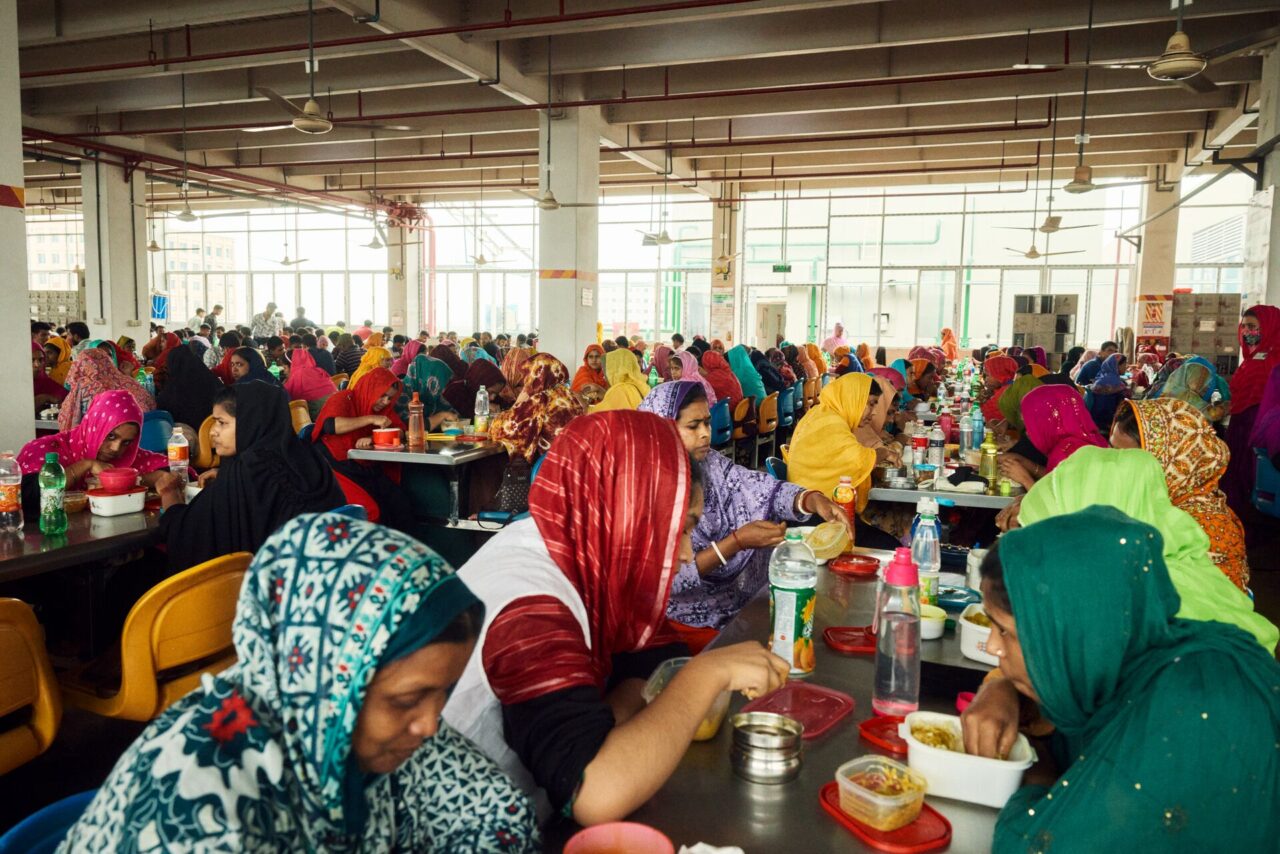
“If we expect suppliers to move first without addressing how cost, risk and responsibility are shared, progress will stall,” says Christiane Dolva, Head of Innovation, Research & Demonstration at the H&M Foundation. “The evidence shows that suppliers are taking action, but they are often doing so within systems that were not designed to support this kind of transition. For change to scale, that transition also needs to be a just one where workers and communities are included, and where the shift to lower emissions does not come at the expense of people’s livelihoods or agency.”
Just transition is a practical condition for durable change. Decarbonisation pathways that undermine jobs, skills or local economies are unlikely to scale or endure.
Why finance, not technology, is the real bottleneck
If the thermal energy roadmap clarifies what needs to happen technically, the Brand playbook for financing decarbonization focuses on how to unlock it in practice.
The playbook identifies twelve practical financial “plays” that brands can use to enable supplier decarbonisation – including:
- Guarantees and credit enhancement
- Co-investment in on-site upgrades
- Sustainability-linked pricing
- Long-term purchasing commitments
- Brand-backed debt or concessional financing
Each play is assessed using consistent criteria, examining its impact on producer incentives, cost of capital, execution complexity and risk for brands.
The central finding is that supplier decarbonisation will not scale without brand-backed finance. Brands are uniquely positioned to reduce risk, lower financing costs and send credible demand signals, yet these tools remain under-utilised and often disconnected from core sourcing and finance decisions.
“Our role is not only to deploy credible solutions,” says Perkins, “but also to unlock the commercial pathways and cross-sector partnerships required to drive sector-wide transformation.”
Importantly, the playbook frames financial engagement as a core business lever, rather than an optional or peripheral sustainability activity. It emphasises that different suppliers and regions require different approaches, and that technical assistance alone – while necessary – is no longer sufficient.
What this evidence adds up to now
Taken together, the three reports point to a consistent conclusion.
The apparel sector is not short of solutions or technology. The barriers lie in speed, scale and alignment – between where emissions sit, which pathways are technically and economically viable, and how investment and risk are distributed across the value chain.
For brands, investors and industry leaders, the implications are:
- Tier 2 manufacturing and thermal energy must be prioritised, even where transitions are complex.
- Electrification paired with renewable electricity needs to be planned alongside grid decarbonisation.
- Financial and commercial models must evolve to enable suppliers to act without bearing disproportionate risk.
- Workers and communities must be included, ensuring the transition does not undermine livelihoods.
“There’s no pathway to net zero without supporting the implementation of solutions on the ground,” says Perkins. “We risk failing not just the planet, but the people and economies our value chain depends on.”
A call to engage
Apparel Impact Institute is working to mobilise $250 million in blended capital through the Fashion Climate Fund to accelerate the implementation of proven climate solutions where emissions are highest.
For brands, investors and industry leaders interested in learning more – or exploring how to engage, collaborate or contribute – Aii invites interested parties to get involved and continue the conversation. Learn more.
Press contact

Head of Communications