Meet the workers and manufacturers navigating just decarbonisation in Bangladesh
Across the textile industry in Bangladesh, the climate transition is reshaping factories, jobs and livelihoods. When brands set targets for decarbonisation and factories adopt new low-carbon or automated technologies, women workers risk being pushed out – unless workers and factories move forward together. The collective impact initiative Oporajita shows that they can.
In Bengali, Oporajita means undefeatable, and the H&M Foundation-backed initiative takes its name from the more than four million, mainly women, workers keeping Bangladesh’s ready-made garment industry running. It puts those women at the centre of decarbonisation and is built on a simple premise: factories and the women who work in them have to move forward together. Upgrade technology and not the workforce, and the climate transition stalls.
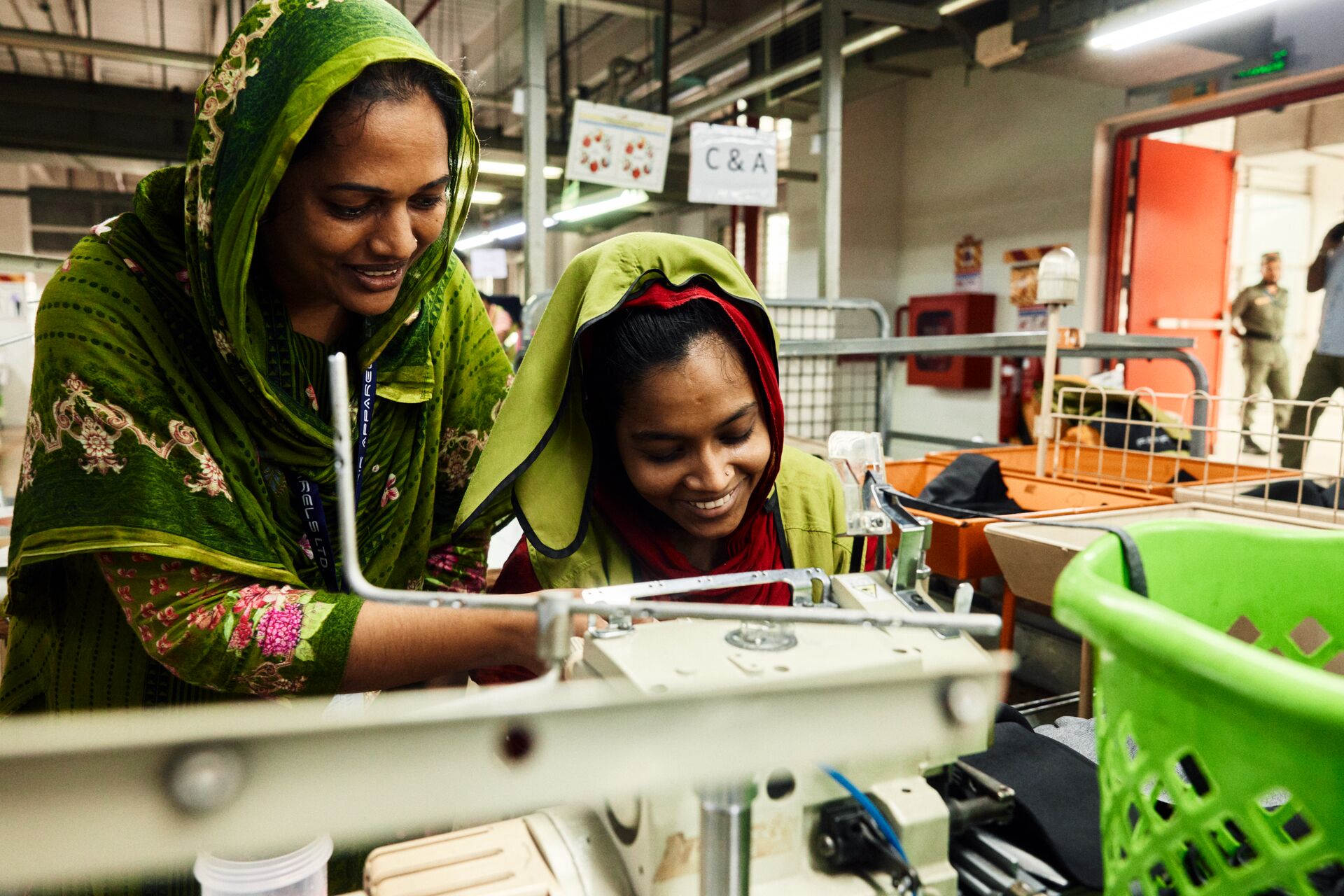
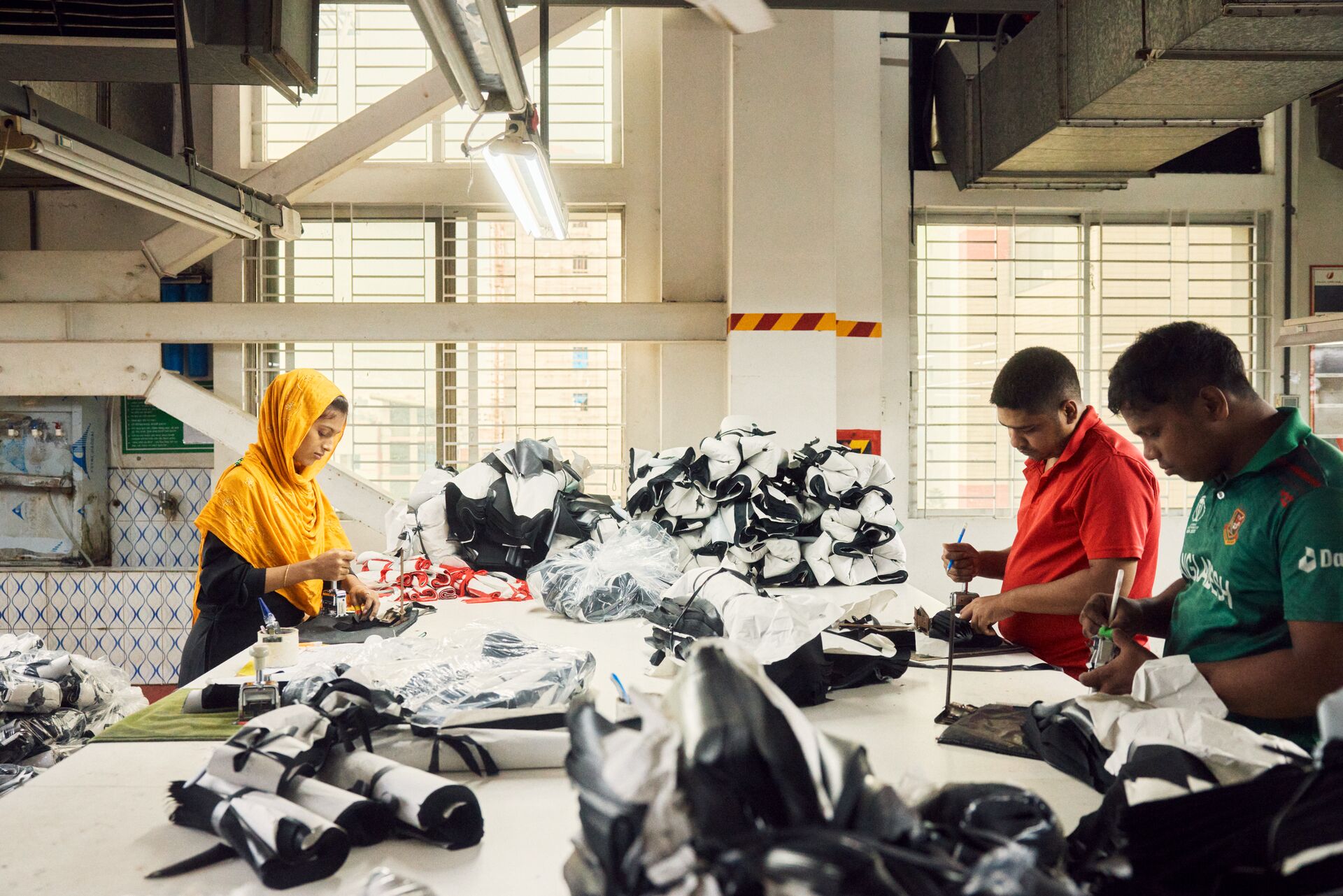
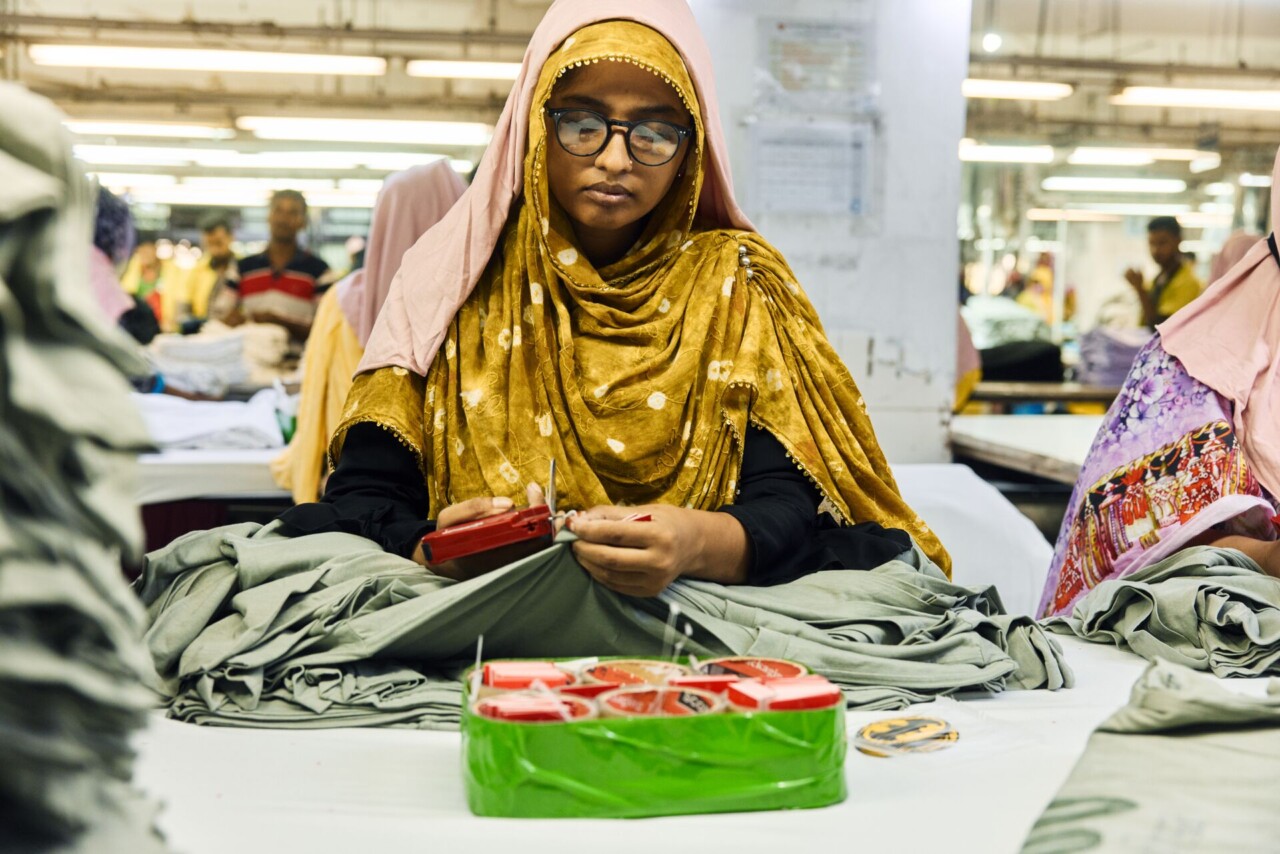
In the series Fashion Redressed, presented by Global Fashion Agenda and produced by BBC StoryWorks Commercial Productions, we’re invited into the daily lives of garment workers Akhi Akter and Rushia Khatun in two of Dhaka’s RMG factories, as they navigate family and work while engaging with the Oporajita initiative.
The mini-documentary style film is a close, everyday portrait of social inclusion and industrial upgrading moving together, with Oporajita demonstrating how just decarbonisation can strengthen both livelihoods and long‑term competitiveness.
This is how:
- On the worker side, Oporajita gives women the skills and the enabling conditions they need to not be left behind as factories transition. That means technical training, but it also means the practical things that often decide whether a woman can take part at all: free childcare, climate-resilient WASH (water, sanitation, and hygiene systems) and menstrual hygiene, legal and psychosocial support, and financial literacy, alongside leadership and factory-based skills training.
- On the factory side, Oporajita supports suppliers to build decarbonisation roadmaps, adopt renewable and energy-efficient solutions, strengthen climate resilience and meet evolving global ESG standards – while preparing their workforce for the changes that decarbonisation and climate change bring.
Women carry so much, our families, our homes, our communities. Being part of this film reminded me that we deserve to carry ourselves forward too, and watching Akhi’s story alongside my own, her struggles and her strength, made me think; yes, we can achieve great things.
Rushia Khatun, Quality Inspector, Iris Group
A lot of that confidence also comes from my work and Oporajita trainings. What we learn here does not stay here. I use it at work, I use it at home, and so do many of my colleagues. It has changed how we see ourselves and this film has added something new to that.
A few milestones from Oporajita’s first phase (2022-2025):
• Reached 160,000 people, including garment workers, out-of-work garment workers, community members, factory management, children, caregivers and parents.
• Provided more than 10,000 workers with factory-based skills training.
• Reached more than 56,000 with perception-change activities.
• More than 13,000 women accessing social protection systems
• Nearly 46,000 women trained in digital financial literacy, strengthening economic resilience.
Learn more about Oporajita
Press contact

Head of Communications
About Fashion Redressed
Fashion Redressed II is the second iteration of the branded series, presented by the Global Fashion Agenda and produced for GFA by BBC StoryWorks Commercial Productions, exploring how the fashion industry is being reimagined from the inside out.
The series follows the innovators, workers and entrepreneurs across the globe asking what it would take to do things differently.