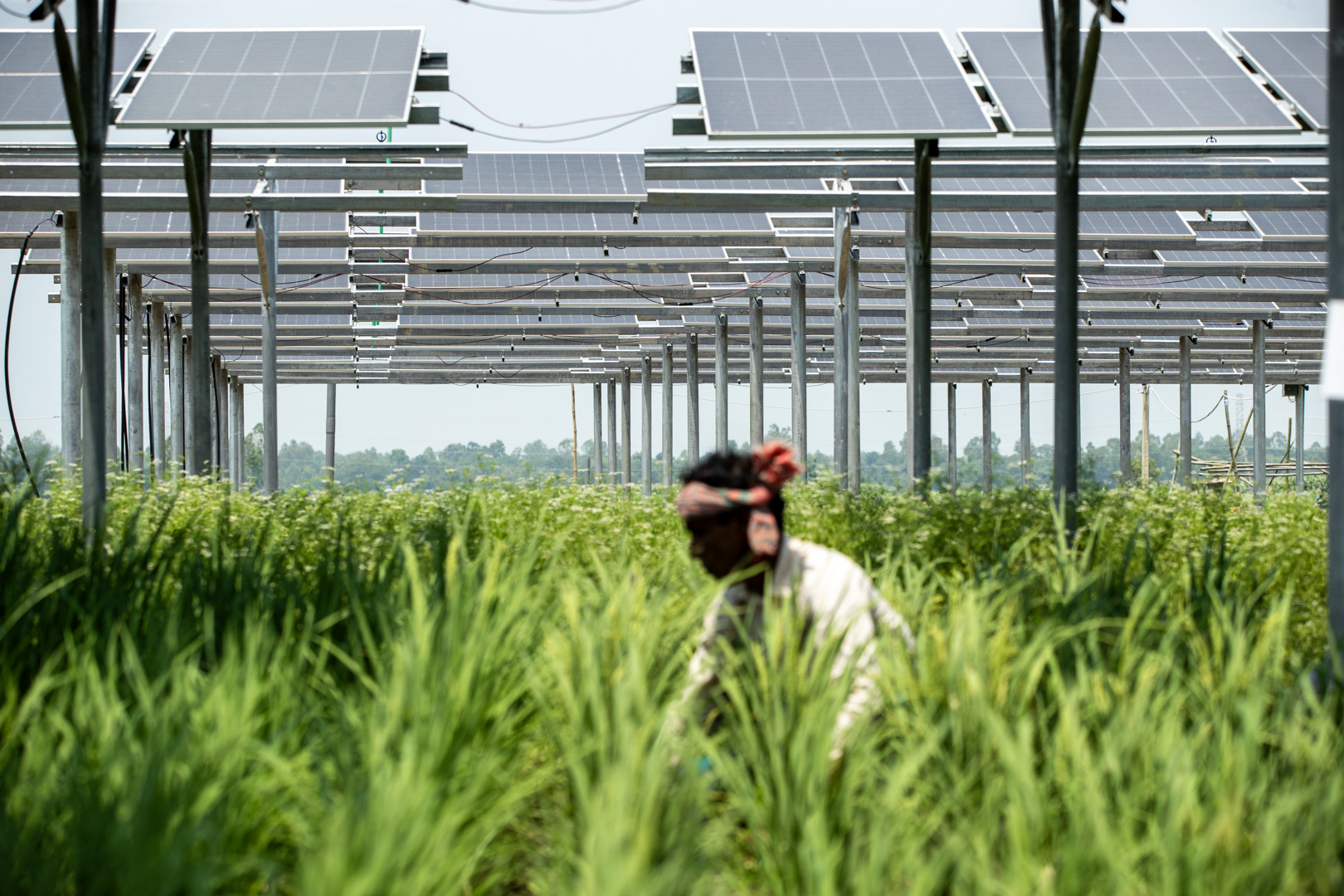
Exploring viable biomass pathways for textile manufacturing
Good Business Lab, with catalytic funding from H&M Foundation and Laudes Foundation, is exploring biomass as a transition fuel for textile manufacturing in India. The project will study existing biomass supply chains to understand how agricultural residues move from farms to industrial users, identify the barriers to a reliable and commercially viable supply chain, and explore how these supply chains could be strengthened. The aim is to turn the findings into practical guidance for industry actors looking at lower-carbon energy options.
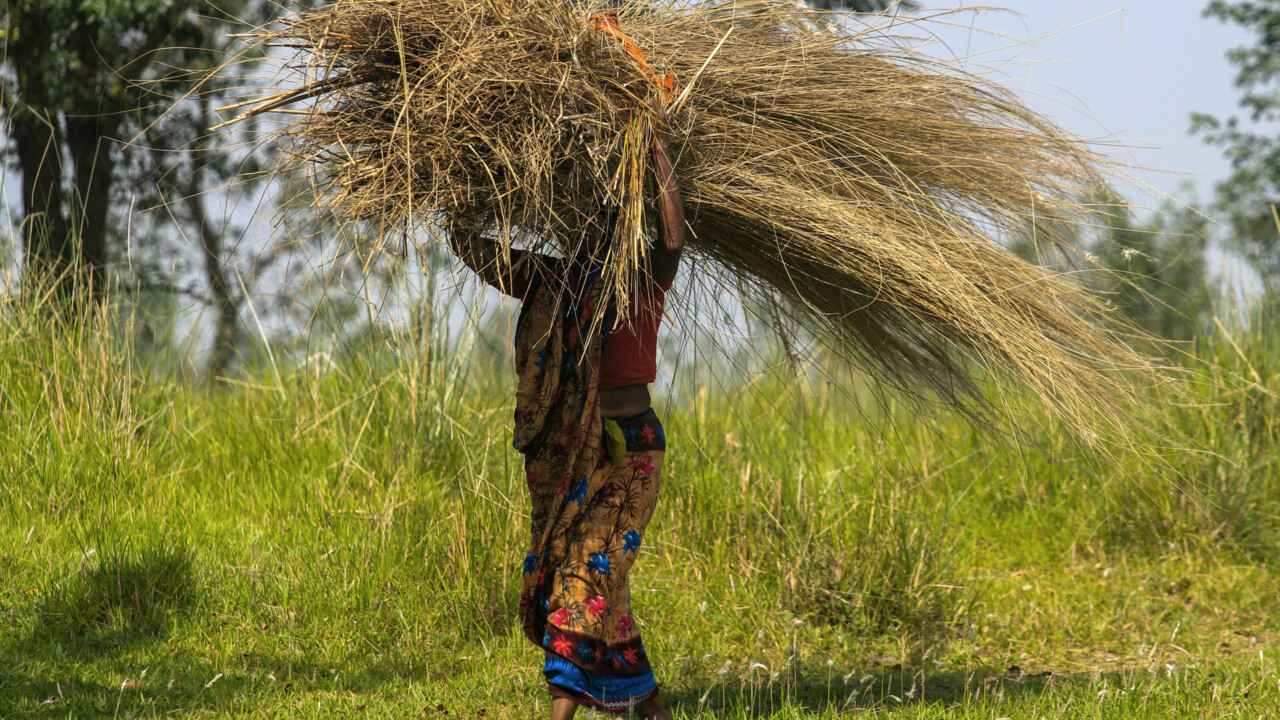
Many textile manufacturers still rely on coal-based energy for heat and steam in production. At the same time, agricultural residues are often burned in fields, contributing to air pollution, soil degradation and health impacts.
Biomass made from crop residues could offer an alternative in some parts of the industry. However, evidence remains limited on how farmers, biomass processors and industrial users can work together through supply chains that are reliable, commercially viable and scalable.
Testing what works in practice
In the Farm-to-Factory Biomass Pathways project, Good Business Lab maps existing biomass flows and test ways to encourage farmers to sell their agricultural residues to aggregators in North India. The project will involve around 15–20 villages and approximately 1,200 farmers, alongside organisations and 2–3 micro- to medium-sized enterprises from the textile industry.
The project also takes a people-centred approach to the energy transition. Alongside questions about supply chains and fuel adoption, the research will examine how farmers and workers are affected by shifts away from existing practices and whether new models can create economic opportunities.
The work will explore practical questions from different perspectives:
- how farmers can benefit from selling crop residues,
- how processors can move and store these materials efficiently,
- and what manufacturers need to confidently adopt biomass including a reliable supply, suitable storage, and compatibility with their existing operations.
Why this matters for the industry
The project aims to build evidence on when and how biomass supply chains can work, and where important limitations remain.
The research will generate insights into farmer participation, supply chain feasibility and biomass adoption in the textile industry. For H&M Foundation and Laudes Foundation, the project is an opportunity to better understand how a just transition to lower-carbon energy can work in practice. By systematically testing biomass supply chains in real-world settings, we hope to generate knowledge and evidence that can support more informed decision-making across the textile industry.
Expected outputs
The project will produce:
- A research report outlining key findings.
- Insights into farmer participation and supply chain feasibility.
- Recommendations for textile manufacturers, suppliers and other industry stakeholders exploring lower-carbon energy options.
- A playbook report detailing the supply chain and strategies for industries to adopt. The playbook will be designed for biomass suppliers and processors, textile manufacturers, industrial buyers and brands seeking to better understand the opportunities and limitations of biomass-based energy solutions.
All findings will be shared openly to help inform future efforts across the textile industry and contribute to a more just transition for people and the planet.
Project time period
Financial Support:
H&M Foundation: 1.2 million SEK (approx USD 120,000)
Co-funder:
Laudes Foundation
Focus Areas:
Partner:
Countries:
Status:
More about the partners
Good Business Lab (GBL) is a not-for-profit labour innovation organisation that works with businesses to improve the lives of low-wage workers. It identifies workers’ needs, designs solutions, tests their impact on worker wellbeing and business outcomes, and drives the adoption of proven solutions.
Laudes Foundation is a philanthropic organisation that supports action that inspires and challenges industry to transition to advance a green, fair, and inclusive economy.