Supporting Cluster Collective Programme in India to scale textile recycling
The H&M Foundation is supporting the development of circular textile systems in India through the Cluster Collective Programme (CCP), a flagship project under the Re-START Alliance. The programme focuses on improving how textile waste is collected, sorted and recycled, while strengthening working conditions and livelihoods across the system.
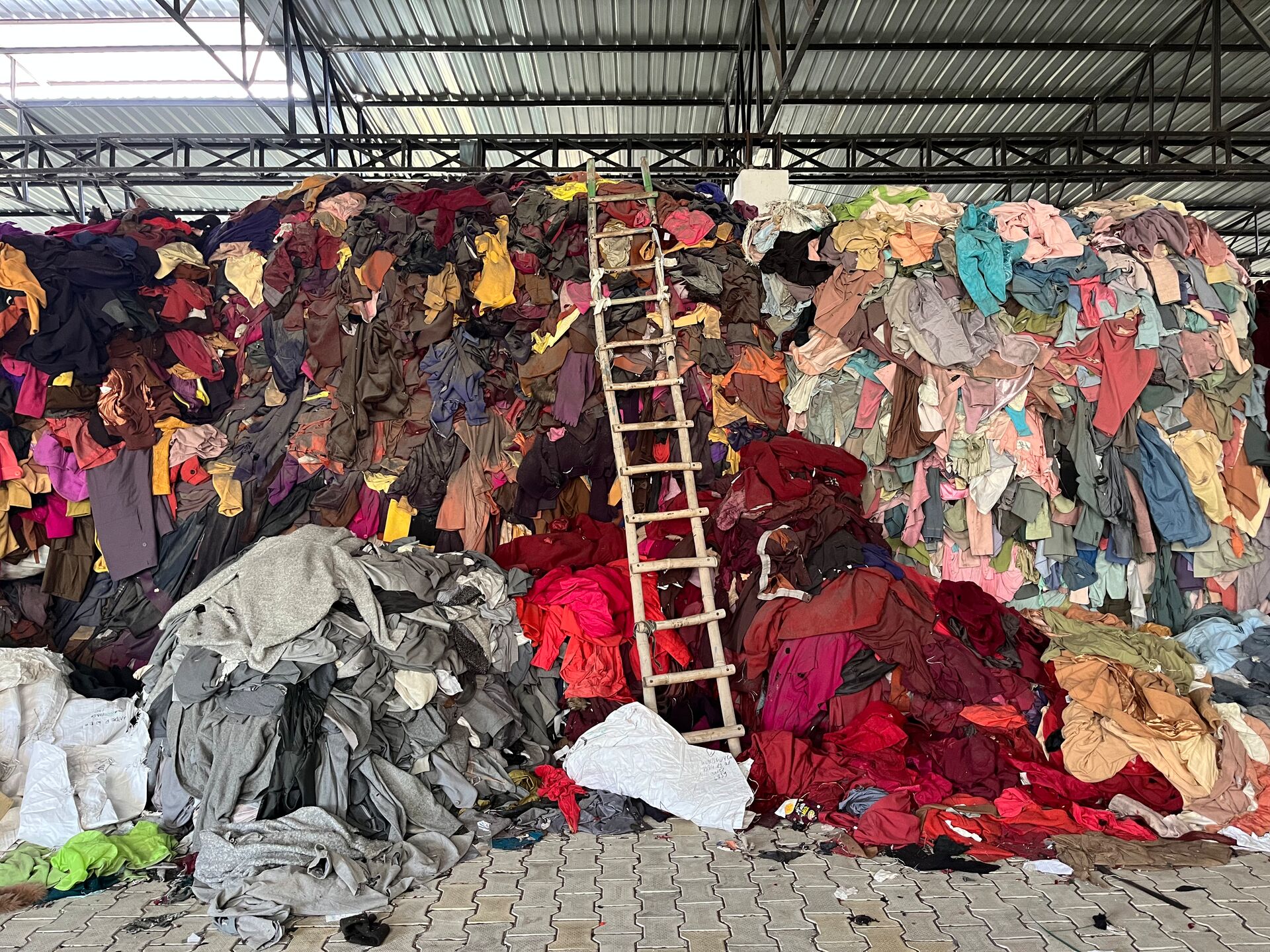
The fashion industry is facing a practical constraint: textile-to-textile recycling is not scaling at the pace required. Not because of lack of technology, but because the system around it is fragmented. Supply is inconsistent, quality varies, and large parts of the value chain operate without coordination or traceability.
Cluster Collective Programme (CCP) is designed to address this gap. It focuses on advancing sorting and recycling technologies, building shared infrastructure for waste collection, and integrating entrepreneurial supply chain stakeholders. The programme also addresses labour formalisation and policy alignment within the sector.
Rather than introducing isolated solutions, CCP’s cluster approach brings actors together, helping create more stable material flows, clearer standards and improved traceability. By connecting industry, financing, policy and community-level interventions, the programme is designed as a system-level effort from the outset. This also reduces risk and makes it easier for brands and investors to engage.
The H&M Foundation supports this work as part of a collaborative funding model, contributing USD 5.3 million alongside other partners. The H&M Foundation’s role is to enable early-stage system building, supporting coordination, infrastructure and testing that is often too complex or high-risk for commercial actors alone.
Expanding into Panipat
With the support from H&M Foundation, CCP is also expanding into Panipat in northern India, building on existing clusters in Ludhiana and Indore. Panipat is one of the world’s largest hubs for mechanical textile recycling. The region is home to a diverse network of businesses and entrepreneurs across the recycling value chain, creating opportunities to strengthen coordination, traceability and material quality. The new cluster focuses on improving how textile waste is collected, sorted and processed, while supporting skills development, economic opportunities and the long-term resilience of the communities that depend on the sector.
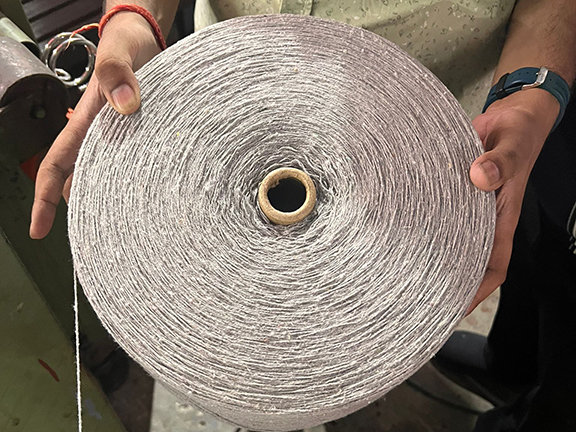
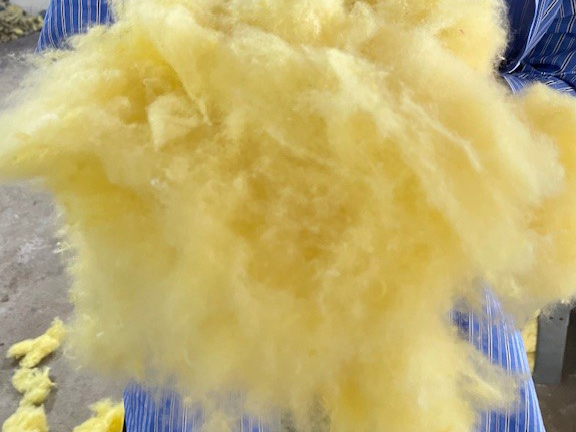
As global demand for recycled materials grows, and new regulations increase requirements on traceability and circularity, there is a clear need to strengthen how these systems work in practice. However, the aim is not to replace what already exists, but to build on it, improving how materials, value and people are connected across the system.
Advancing material flows and community resilience
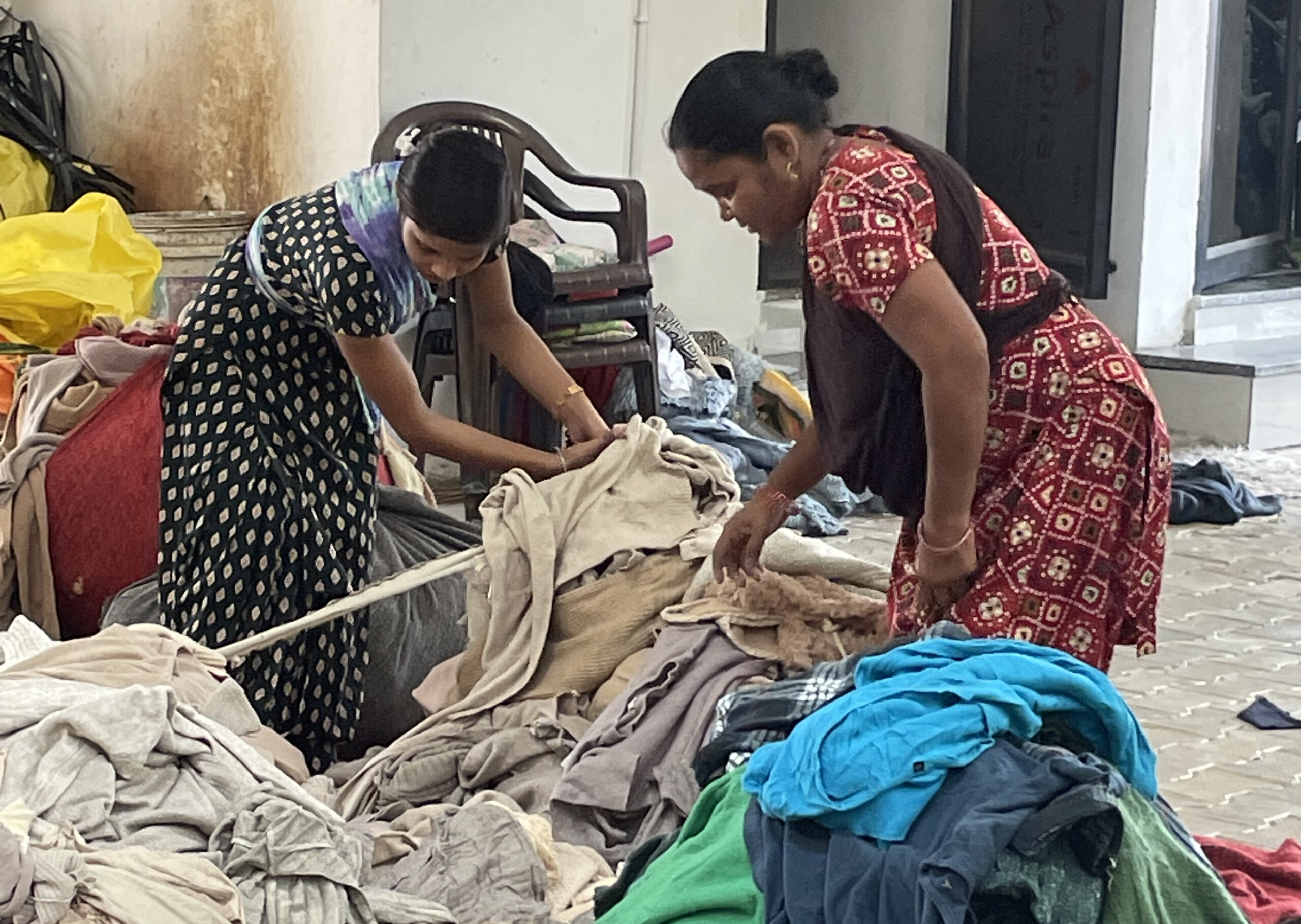
By working with recyclers, aggregators, manufacturers and community organisations, the programme strengthens the full value chain, increasing the quality and efficiency of recycling, and enabling more reliable access to recycled materials.
It also focuses on the people within the system. The programme pilots approaches to occupational health and safety, explores models to strengthen livelihoods and economic resilience, and supports greater access to information, services and opportunities. Worker engagement and feedback mechanisms help ensure that those participating in the programme are involved in shaping its development.
Alongside this, community-level initiatives support education, childcare and access to essential services, helping strengthen family and community resilience over the long term.
Together, the planned interventions are expected to contribute to:
• Reduced emissions intensity through higher recycling efficiency
and substitution of virgin materials
• Increased volumes of compliant, traceable recycled fibre and yarn
• Enhanced livelihoods, skills and economic resilience for workers and small businesses
• Strengthened social infrastructure and wellbeing in worker communities
• A replicable cluster blueprint to inform scaling across India
Building systems that can scale
Scaling textile recycling depends on more than innovation. It requires systems that work in practice, across supply chain, markets and communities.
By strengthening established hubs like Panipat, the H&M Foundation and its partners aim to demonstrate how circular systems can scale, delivering both environmental impact and stronger livelihoods. For brands, investors and policymakers, this reduces risk and creates clearer entry points for engagement.
Partnership model
The Re-START Alliance, convened by Laudes Foundation with founding partners Canopy, Fashion for Good and IDH (Sustainable Trade Initiative), brings together industry, policymakers and civil society to unlock the full value of textile waste. Its goal is to create the conditions needed for circular systems to move beyond pilots and scale in practice.
The Cluster Collective Programme (CCP), a flagship initiative under the Re-START Alliance, is a multi-partner effort to turn fragmented systems into investable, industry-ready solutions. IDH is acting as a backbone organisation and national secretariat for the CCP and leads coordination, manages pooled funds and supports delivery, helping ensure the model can scale beyond individual clusters. This governance structure enables alignment across donors, brands, recyclers and civil society, while reducing administrative complexity and strengthening shared learning.
Project time period
Financial Support:
USD 5.3 million
Focus Areas:
Partners:
Countries:
Status: