From relief to resilience: how Indian communities are empowered to anticipate, adapt and thrive
In disaster-prone regions of India, our partner SEEDS (Sustainable Environment & Ecological Development Society) is flipping the script on how we prepare for and recover from climate-related disasters. Together, we’re moving beyond traditional models of relief to embed resilience thinking into the very fabric of public systems.
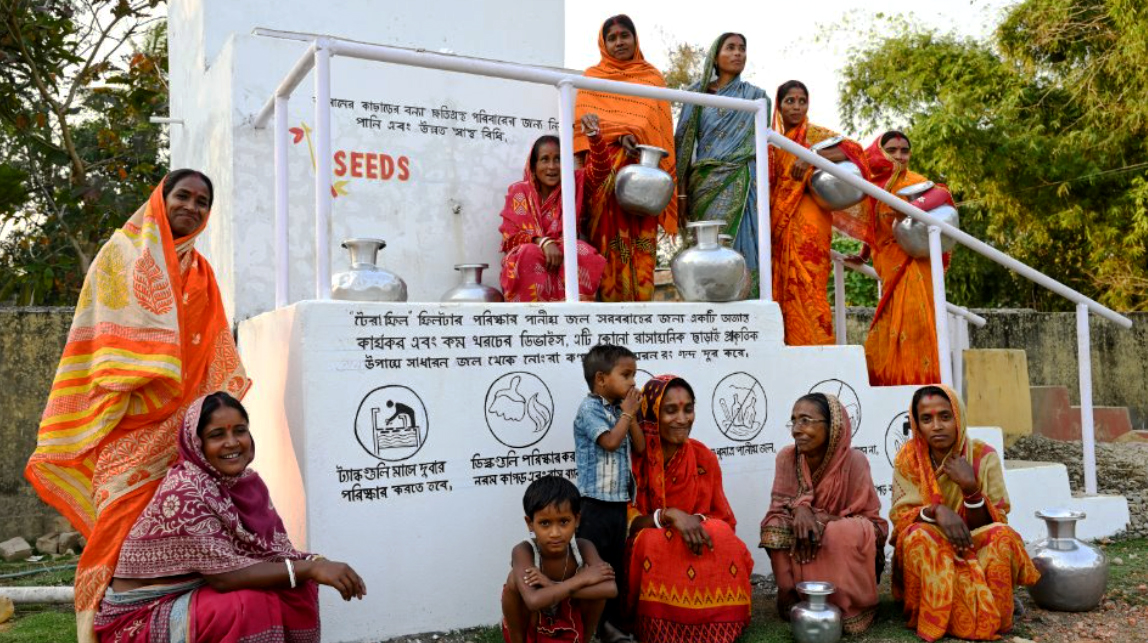
SEEDS works to build resilience and support affected communities to access resources and recover more quickly after a disaster.
A fundamental shift is needed in how disasters are understood and addressed. With SEEDS, we’re adopting a model that covers the entire disaster cycle, from immediate relief to mitigation, preparedness, and long-term recovery.
Positioning themselves as a network orchestrator in climate action, SEEDS leverages partnerships across government, the private sector and civil society to deliver solutions that enumerate losses, prevent suffering, build resilience, and support affected communities to access resources and recover more quickly.
A holistic model for lasting impact
H&M Foundation work with disaster management – supporting urgent, high-impact initiatives that lie beyond our core focus but align with our values and mission. In our joint project with SEEDS in Assam and Uttar Pradesh, India, we aim to meet the specific needs of communities affected by disasters. That means delivering immediate relief, supporting long-term recovery, and actively promoting resilience, inclusivity and sustainable resource use. Through this work, we’re addressing urgent needs while fostering long-term resilience in line with the H&M Foundation’s Disaster Management strategy.
“What we’ve learned over the years is that the impact of a disaster starts long before it happens and lingers long after it fades from the headlines,” says Kristina Svartling, Project Manager at H&M Foundation. “That’s why we’re shifting from reactive support to long-term resilience building, in close collaboration with partners like SEEDS.”

Tools for thriving, not just surviving
The project comes alive through digital tools like disaster e-wallets, which allow people to report losses and receive timely support, and through community risk registers that map hazards, vulnerabilities and local knowledge.
Support also includes helping farmers recover their livelihoods with seeds and training and enabling entrepreneurs to restore local ecosystems using sustainable building materials and nature-based solutions. These aren’t just recovery measures; they’re pathways to thriving.
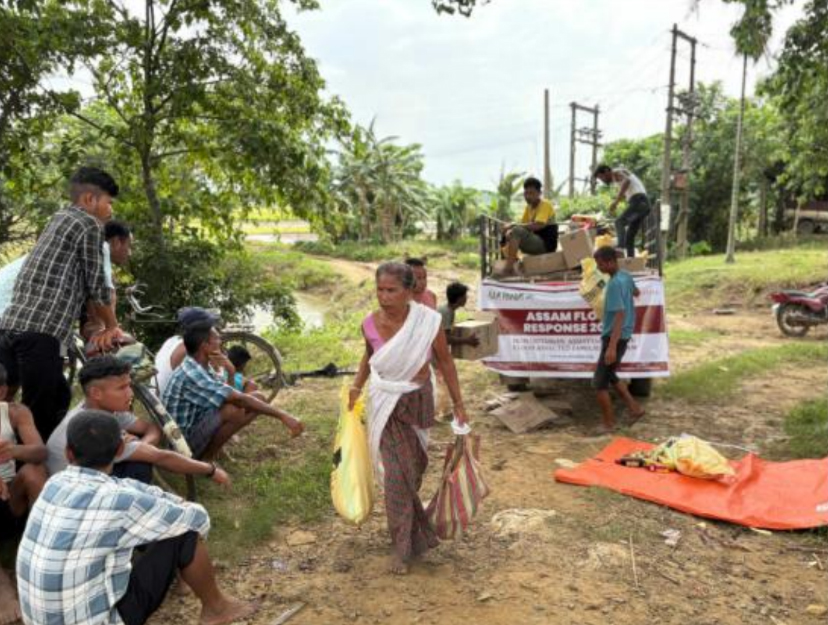
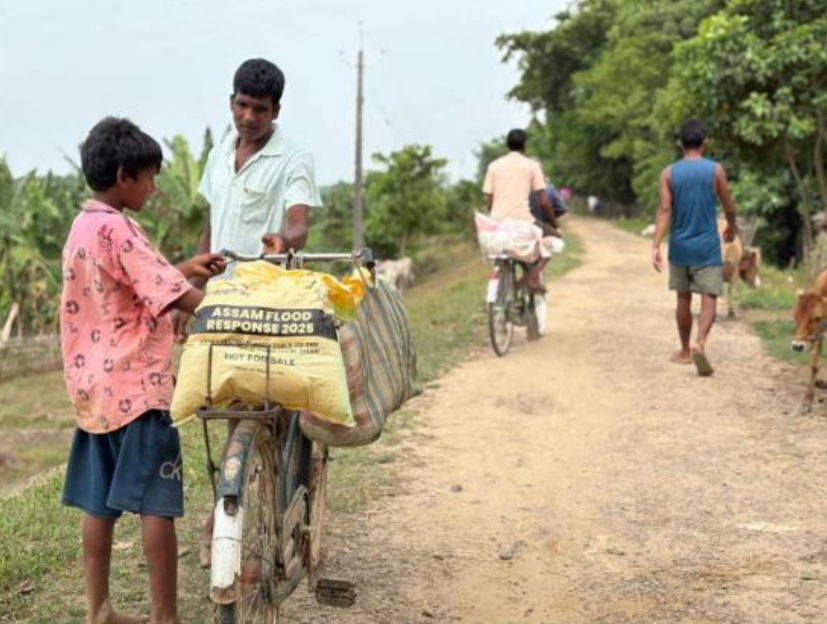
Inclusivity is a non-negotiable aspect in the project. The community risk registers are used to identify groups often excluded from disaster planning, such as people with disabilities, landless farmers and single parents, ensuring that no one is left behind. Capacity-building and training empower communities to take charge of their own futures.
Environmental sustainability is woven through the project as well. SEEDS combines local wisdom with global standards, enhanced by insights from their AI-driven analytics.
“This allows us to ground recovery strategies in community realities while ensuring alignment with best practices in environmental stewardship,” says Arijit Das, Regional Director at SEEDS.
People-powered preparedness
At every stage, local communities are at the heart of the process. SEEDS carries out extensive consultations to ensure that the project responds to people’s lived realities. This co-creation builds trust and ensures long-term sustainability. It’s not about doing something for communities, it’s about doing it with them.
With the right tools, inclusive strategies and bold partnerships, we can move from crisis response to long-term transformation
Arijit Das, Regional Director at SEEDS
Government collaboration is another essential pillar.
“By embedding our efforts within existing governance structures, we not only build capacity but also strengthen systemic resilience,” Arijit Das explains. “With the right tools, inclusive strategies and bold partnerships, we can move from crisis response to long-term transformation. Resilience must become the norm, not the exception.”
Press contact
Head of Communications
In brief
Our partnership with SEEDS has a multi-phase approach, starting with emergency response and relief, progressing through rehabilitation and reconstruction, and ultimately aiming for sustainable development and resilience building.