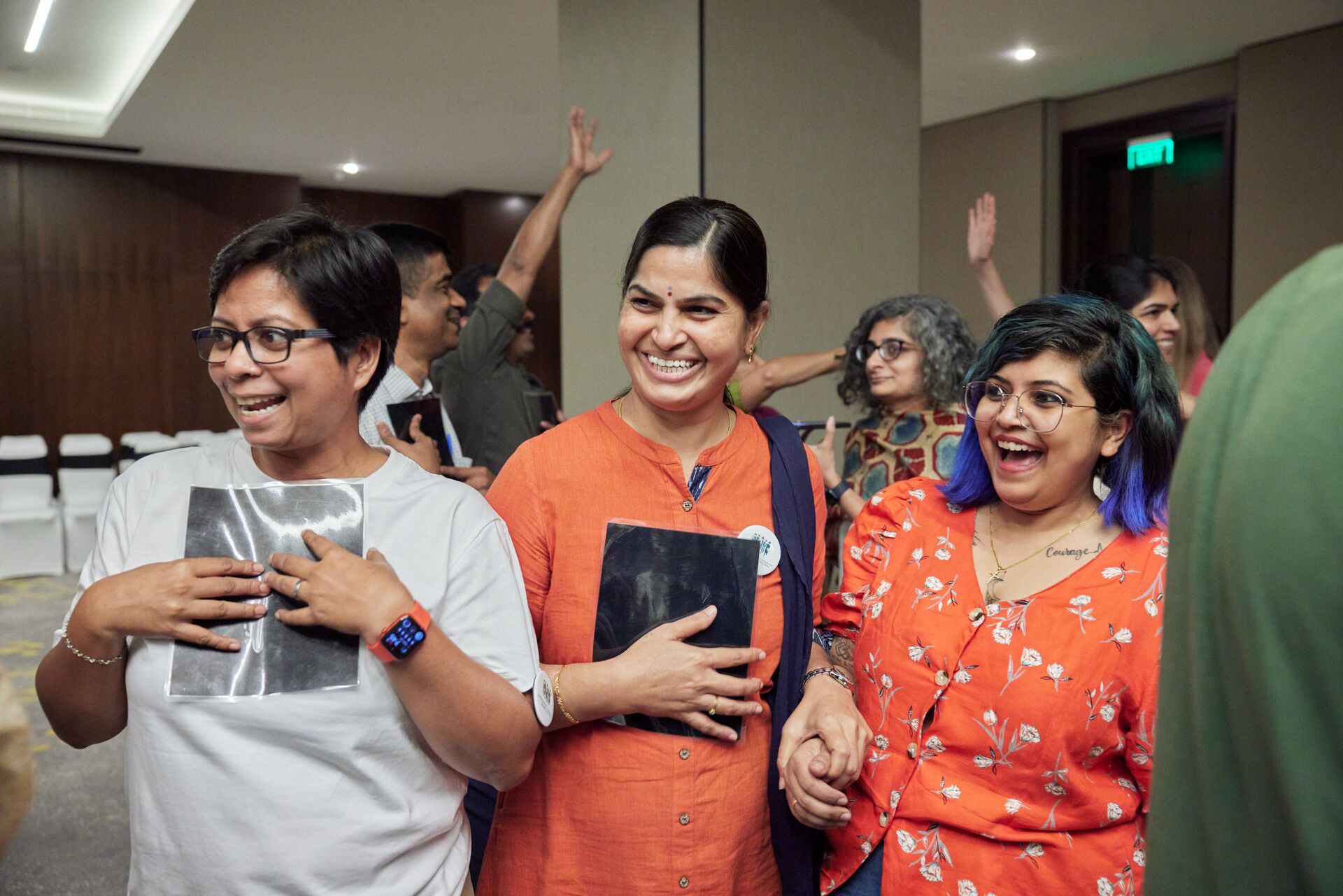
How a perception shift helped redesign a circular system in Bengaluru
In Bengaluru, a six-year perception change campaign did more than change attitudes, it helped redesign an inclusive circular system. The approach combined behavioural insights, storytelling, social experiments and specific actions citizens could take in their daily lives.
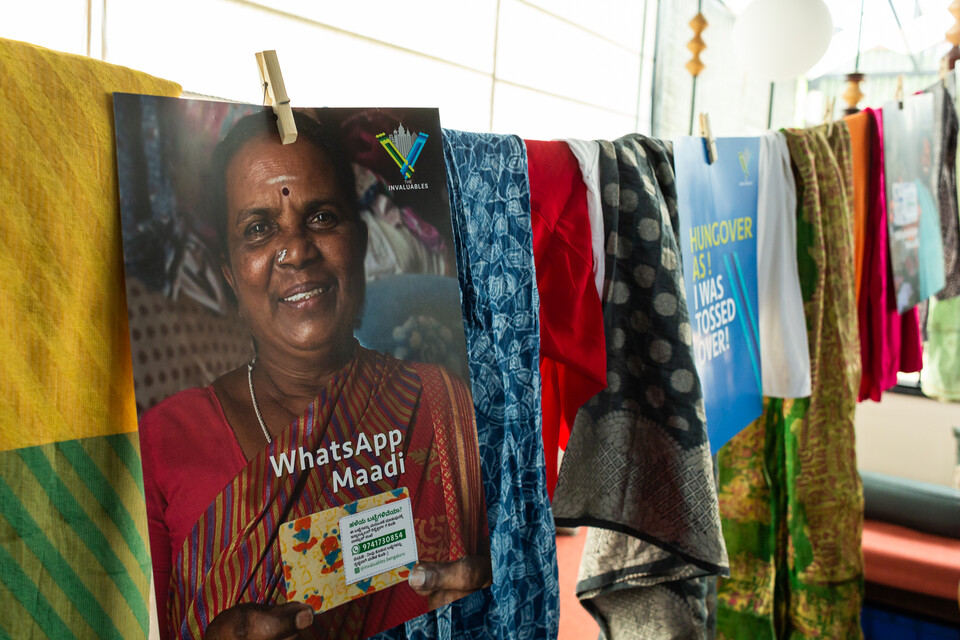
The drive “Got Old Clothes?” helped double the city’s textile collections in just one month – diverting 1.8 tonnes of garments from landfills.
In cities around the world, entire systems depend on people who are rarely seen. In Bengaluru, informal waste pickers play a critical role in keeping materials in circulation. Every day, they recover recyclables, reduce landfills, and support the city’s circular economy, yet their contribution has gone largely unrecognised.
Initial research showed that while most residents valued waste collection, many did not see informal waste pickers as part of the system. More than half associated them with negative stereotypes, and a similar share believed they should not be allowed into residential areas.
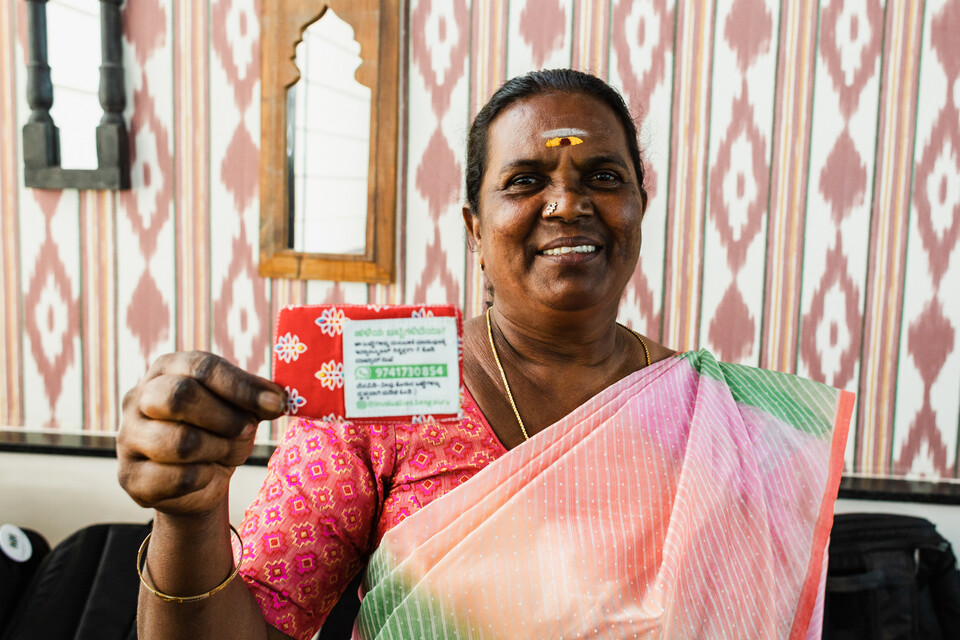
BBC Media Action set out to change this and the aim of their Invaluables campaign was simple but challenging; shifting how city residents view waste pickers – repositioning them from invisible to invaluable – while creating a sense of belonging and professional pride among waste pickers themselves.
A systems approach, not a standalone campaign
The perception change work sits within our larger programme Saamuhika Shakti, a collective impact initiative that brings together multiple organisations to address the structural barriers that keep waste pickers in poverty and exclusion, while strengthening inclusive circular value chains.
It works across livelihoods, access to services, market linkages and holistic system coordination, recognising that circularity depends on how these elements function together. Within Saamuhika Shakti, perception is not peripheral, it helps shape whether a system can function and whether it can change.
How this matters for the textile industry
As the industry moves towards circular models, post-consumer materials from insecure or fragmented supply chains become a risk and a limiting factor. In Bengaluru, waste pickers already form the first mile of material recovery systems, including for plastics, paper, metals and textiles – all of value for the textile industry.
Equipping them to lift themselves out of poverty and strengthening their position is therefore not only a social priority, but a structural requirement for circular value chains to function.
On the surface, this can look like a social story and one about attitudes, but under an inclusive circularity lens, it is also about market-building. If waste picking is seen as informal, unskilled and undesirable, it remains excluded from formal systems. If their work is formalised and if their skills are recognised and integrated, systems become more reliable and more investable.
The results
The repositioning of waste pickers from invisible to invaluable is part of enabling a circular system where waste pickers are recognised as economic actors, not operating at its margins. In the first phase of the project, between 2021 and 2023, the campaign reached 10.6 million people. In its second phase (2024–2026), this reach has expanded significantly growing to 17.1 million people as of February 2026 and extending beyond Bengaluru to audiences in other cities.
Within Bengaluru alone, the campaign has reached 7.2 million people, approximately half the city’s population, indicating both depth of penetration and sustained engagement in its core geography. Follow-up research points to a shift not only in awareness, but in how waste pickers are perceived and discussed:
- Public understanding of their role increased from 67% to 85%
- Positive perceptions rose from 69% to 87%
- Conversations recognising their importance with people using positive adjectives to describe their work grew from 62% to 81%
- Recognition of how waste pickers contribute to better waste management went up from 69% to 85%
These shifts translated into everyday actions:
- 60% of those exposed to the drive “Wash the Dabba” adopted rinsing plastic food containers before disposal
- Waste pickers at Dry Waste Collection Centres reported 30–40% more containers uncontaminated by rotting food
- 41% of residents adopted safer sanitary waste disposal
- The textile recycling drive “Got Old Clothes?” helped double the city’s textile collections in just one month, diverting 1.8 tonnes of garments from landfills across 16 collection centres.
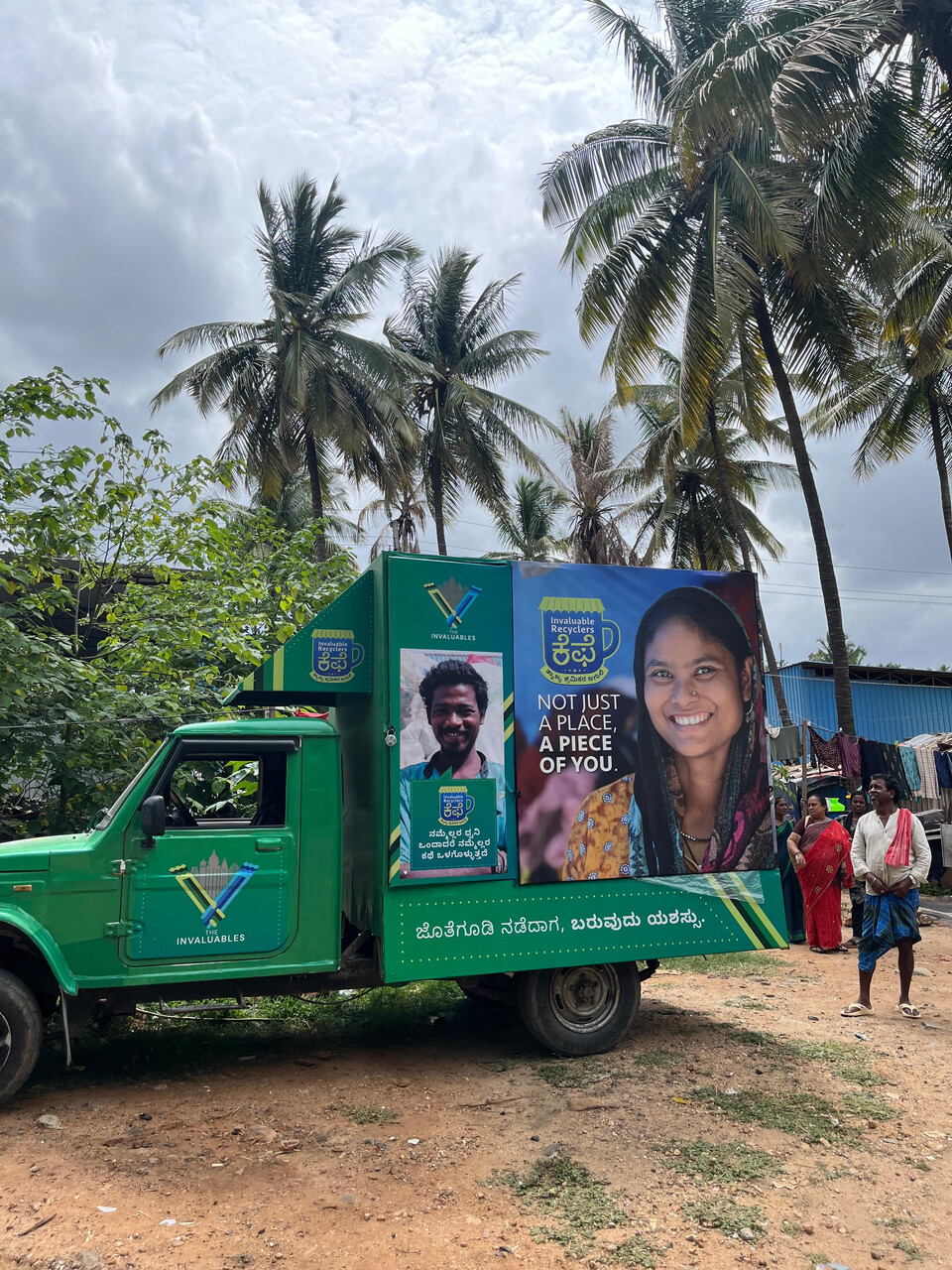
Alongside public-facing efforts, the campaign also engaged more than 1,200 waste pickers and their families and created spaces for waste pickers themselves. The mobile Invaluable Recyclers Café brought people together at 38 different localities to share experiences, be recognised for their skills, and reconnect with the value of their work. This is critical, as systems tend to shift when the people within them are also recognised and able to participate on their own terms.
Across Bengaluru, this shift is now visible in everyday encounters. Waste pickers speak about being treated with greater respect, being welcomed into spaces they were previously excluded from, and acknowledged for their role. This points to something larger: when perception shifts, systems and the people within them begin to change with it.
Press contact

Head of Communications
In brief
The aim of the Invaluables campaign was simple but challenging; shifting how city residents view waste pickers – repositioning them from invisible to invaluable – while creating a sense of belonging and professional pride among waste pickers themselves.
The campaign results were staggering – reaching 17.1 million people, conversations recognising the importance of waste pickers growing from 62% to 81%, and with collection of textiles doubling in just a month.
Follow the campaign on Instagram @invaluables.bengaluru