Why changemakers matter: Accelerating fashion’s transformation through innovation
Annie Lindmark and Claire Bergkamp join forces to spotlight how early-stage innovation – and the changemakers behind it – can drive deep decarbonisation across the textile industry.

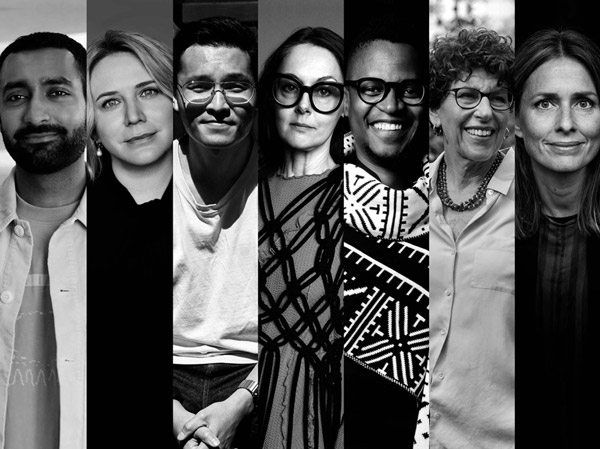
Claire Bergkamp, CEO at Textile Exchange and Annie Lindmark, Programme Director Innovation at H&M Foundation.
The problem: Fashion’s impact and a system that needs to change
The fashion and textile industry is at a turning point. On one hand, it’s a global cultural force – shaping values, trends and behaviours. On the other, it’s a major greenhouse gas emitter, with supply chains deeply connected to land, water and livelihoods. Reaching net-zero by 2050 will take more than tweaks – it requires reimagining the system from the ground up. And it won’t be specific innovations alone that drive that change. It will be changemakers.
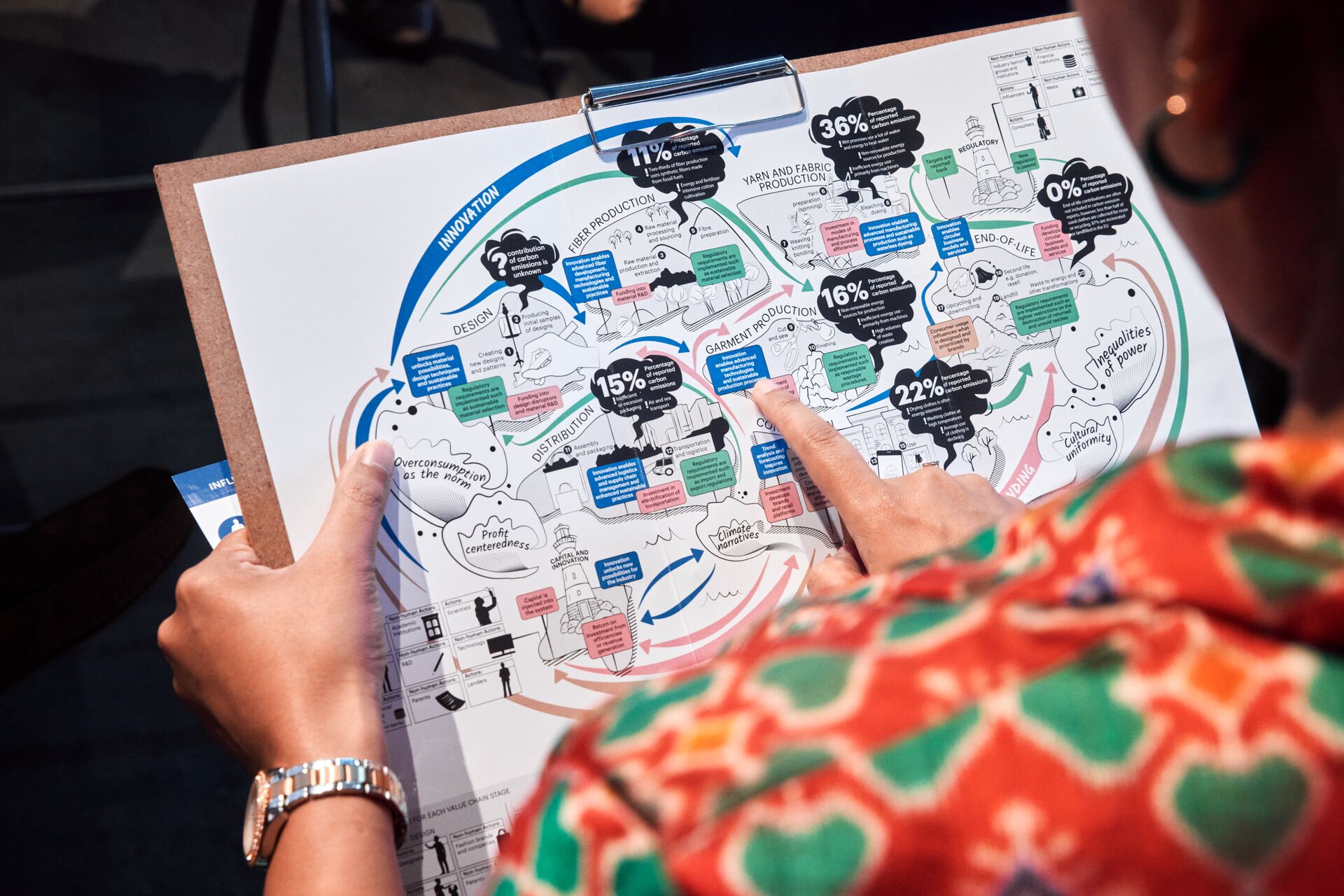
Over 70% of the industry’s emissions come from the production of raw materials and manufacturing processes. From fossil-based fibres to coal-powered dye houses, the current system is extractive, energy-intensive, and unsustainable. If we’re serious about a 1.5°C future, we must halve emissions every decade – rethinking how we grow, make and use materials, and shifting from volume to value. Decarbonisation is a design challenge, a leadership challenge – and above all, a systems challenge. The question isn’t whether fashion needs to transform. It’s whether we’ll act fast enough to make it happen.
The opportunity: Innovation guided by intention
What we need now is innovation grounded in reality – designed to decarbonise, regenerate, and rethink how the industry works, not just optimise what already exists.
The most meaningful breakthroughs are those that address fashion’s blind spots – from fossil fuel dependency to hard-to-recycle materials. Not every shiny idea will cut emissions or restore ecosystems. But the right ones absolutely can if we focus where it matters and identify the early ones with potential to scale.
That’s where the Global Change Award (GCA) comes in: identifying and backing early-stage ideas that might otherwise struggle to break through. In our search for the GCA 2025 winners, we’ve seen everything from textiles that generate electricity to metal-free RFID tags for smarter circular systems. These aren’t just ideas – they’re visions for a better industry.
The GCA looks for solutions that address root causes, not symptoms – asking tough questions about equity, scale and systems impact from the start.
But it’s not just about the ideas. It’s the intention behind it. The GCA looks for solutions that address root causes, not symptoms – asking tough questions about equity, scale and systems impact from the start.
Breakthroughs are only as powerful as the systems they’re embedded in. That’s why we need changemakers – people bold enough to challenge the status quo and persistent enough to carry ideas forward. Systems thinkers, policy advocates, material scientists and storytellers. People who see opportunity where others see barriers.
The solution: Backing the people who drive transformation
At the heart of the Global Change Award is a simple belief: if you want to transform fashion, support the people reimagining it. That’s why we’re looking for changemakers who see the full picture and designs for long-term impact.
GCA Changemaker Programme equips innovators with the mindset, tools and networks they need to navigate complexity and develop solutions that work in real-world conditions. It’s not about perfect pitches or polished prototypes. It’s about capacity, commitment and the ability to connect dots across the value chain.
Each year, ten winners receive €200,000 and join the yearlong changemaker programme – designed to strengthen both their innovations and their leadership. With core sessions, tailored support and access to a global expert network, the programme helps bridge the toughest part of the journey: the beginning. In a sector that often scales what’s already proven, GCA holds space for what could be. And in doing so, it helps catalyse the next generation of climate-positive, socially inclusive innovation.
The future of fashion won’t be built on marginal gains. It will be shaped by a fundamental shift in how we design, produce and value clothing. That future is already emerging – powered by changemakers regenerating soil, building closed-loop recycling systems and developing circular business models rooted in equity, not excess.
The future of fashion won’t be built on marginal gains. It will be shaped by a fundamental shift in how we design, produce and value clothing
This transformation won’t happen overnight – but the direction is clear. With intentional investment, collaboration and a willingness to challenge legacy thinking, today’s disruptive innovations can become tomorrow’s industry standards.
The Global Change Award exists to accelerate that shift – by backing people, not just ideas, and helping them reimagine the system itself. If we want fashion to thrive within planetary boundaries, we can’t simply fix the old model. We must redesign it entirely.
To those building, backing or broadcasting new ways forward: keep going. The future of fashion depends on you.
Press contact

Head of Communications
In brief
In this blog post, Annie Lindmark, Programme Director Innovation at H&M Foundation and Claire Bergkamp, CEO at Textile Exchange, explore why early-stage innovation – and the bold changemakers behind it – are key to building a net-zero textile industry that works for both people and planet.