Designing circularity for inclusion and scale
At Textile Exchange 2026 in Vancouver, conversations repeatedly came back to one challenge: how do we move from ambition to implementation? Our takeaway is that the answer lies in who gets to shape the transition, and how cost, risk and value is distributed across actors.
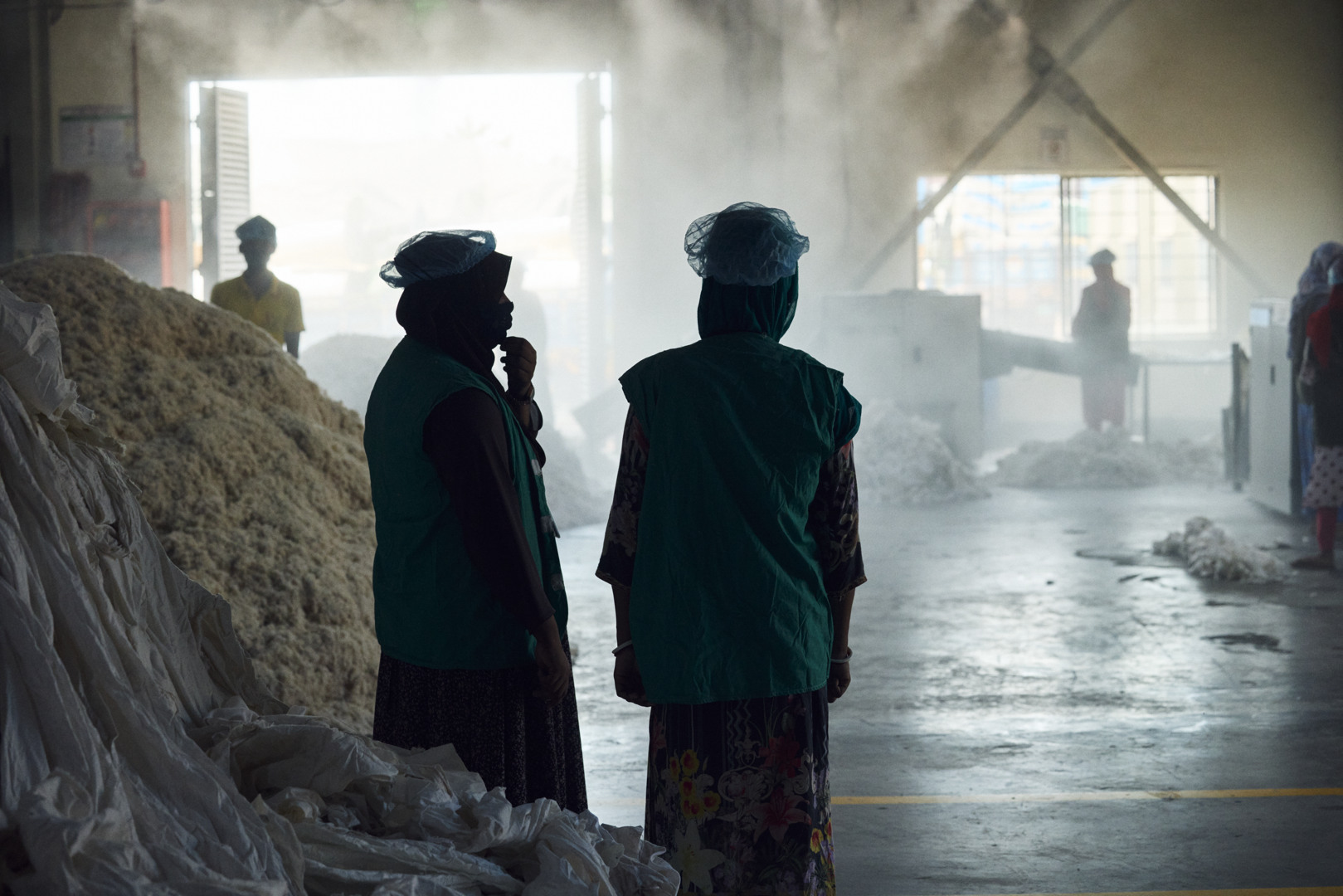
As circular systems and value chains grow, a fundamental issue becomes harder to ignore: who gets to participate in building the solutions, who carries the costs and risks of transition, and who ultimately benefits from the value created?
- Circularity cannot scale through individual solutions alone. Feedstock, demand, finance, infrastructure and market access need to develop as an interconnected system.
- Inclusive circularity means designing these systems around how participation, risk and value are distributed, particularly for the actors responsible for making materials available.
- Progress depends on actors reducing uncertainty for one another, so that a commitment in one part of the system gives others the confidence to invest and act.
Circularity conversations are often focused on fibres, recycling technologies, collection systems, traceability, capacity and scale. All of these matter, but behind every circular material flow is also a system of people, businesses, infrastructure and relationships. As circular systems and value chains grow, a fundamental question therefore becomes harder to ignore: who gets to participate in building the solutions, who carries the costs and risks of transition, and who ultimately benefits from the value created?
Across the conference, we heard one challenge that kept resurfacing: many of the actors needed to scale circularity share similar ambitions, yet progress can stall because each is waiting for another to move first. Recyclers need demand before investing, brands need reliable supply before committing, and investors need confidence that the business model works. So how do we move from shared ambition to collective implementation?
Making circularity inclusive by design
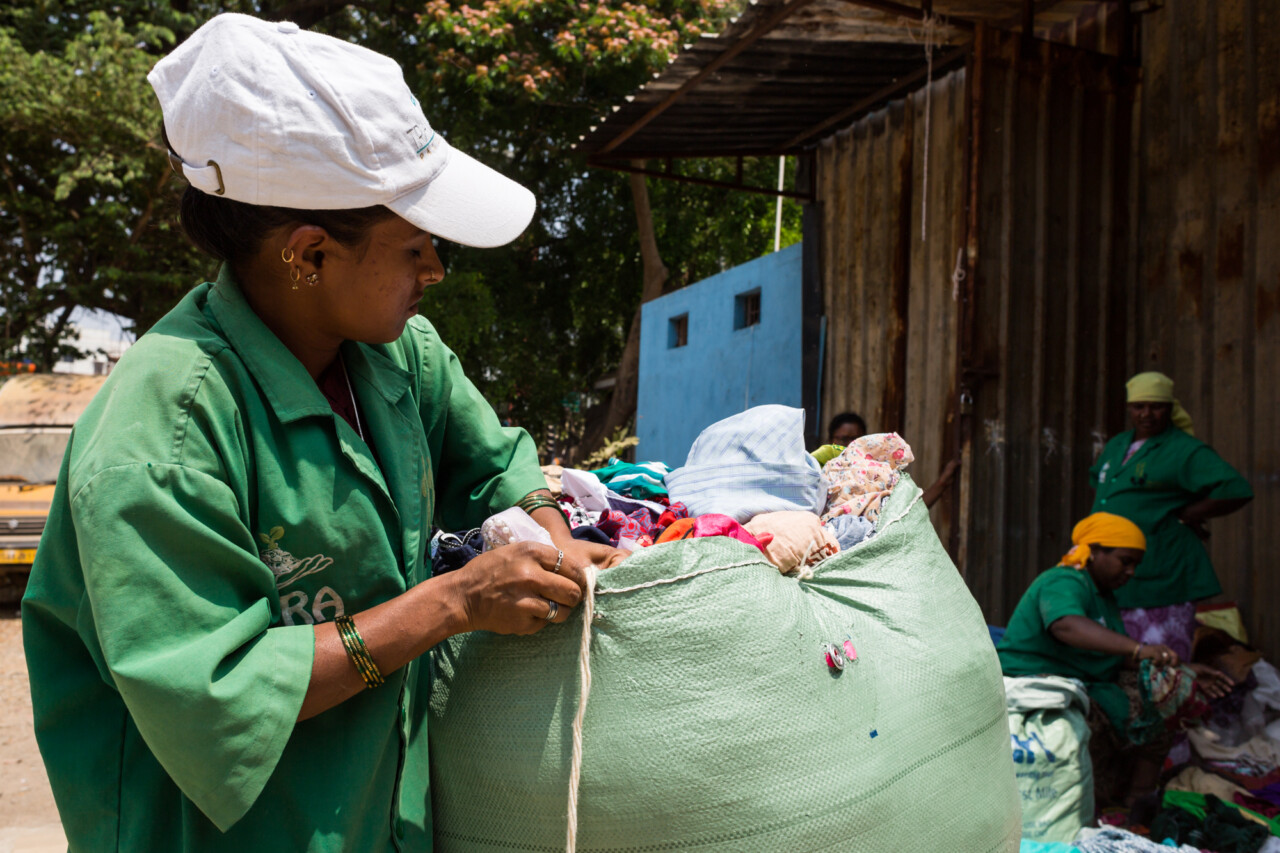
At H&M Foundation, we use the term inclusive circularity to describe circular systems that deliberately recognise and include the people who make material flows possible. Inclusion cannot be added once a circular model is ready to scale. Instead, it must be built into the system from the outset, in its infrastructure, market relationships and decision-making.
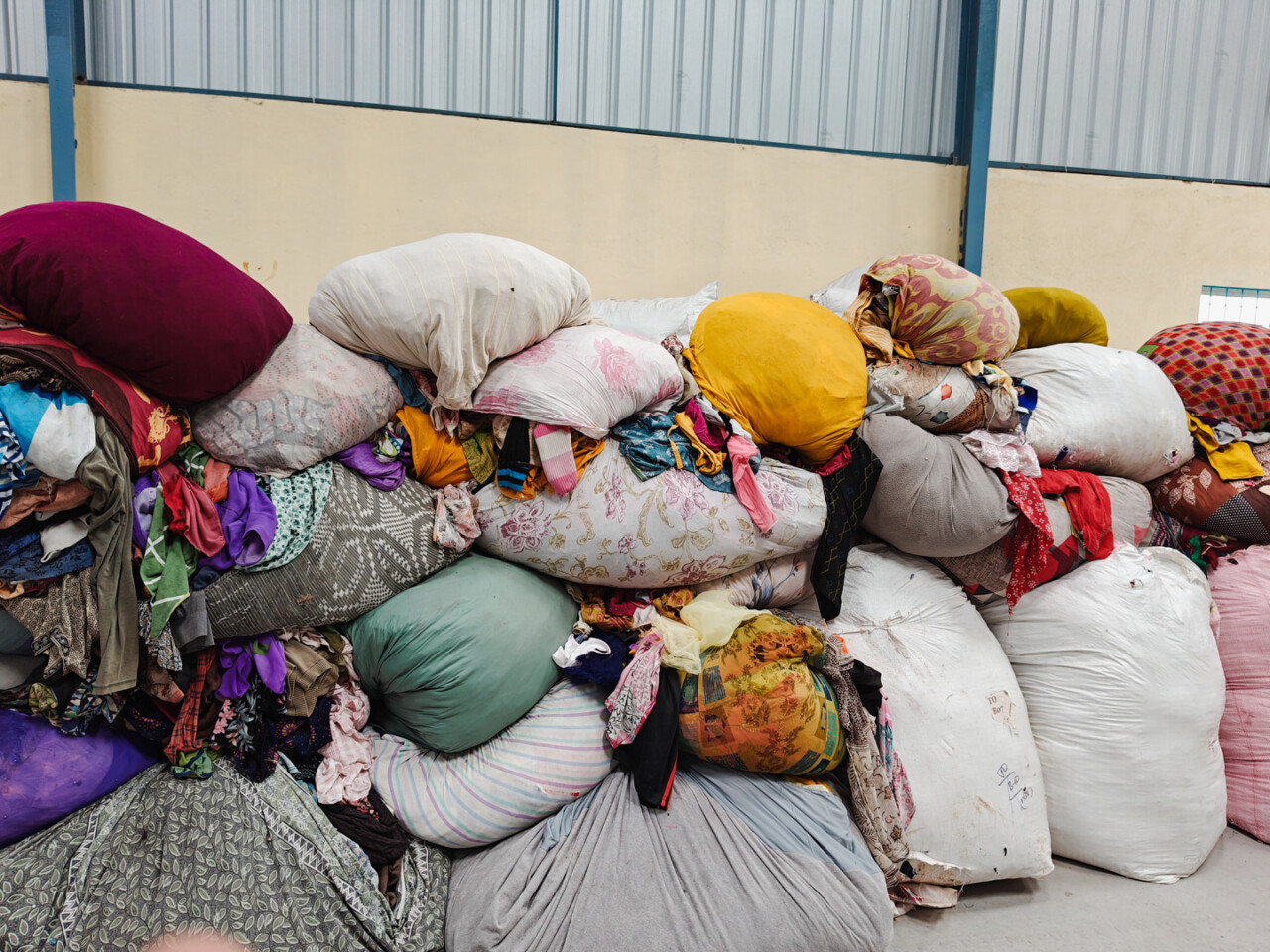
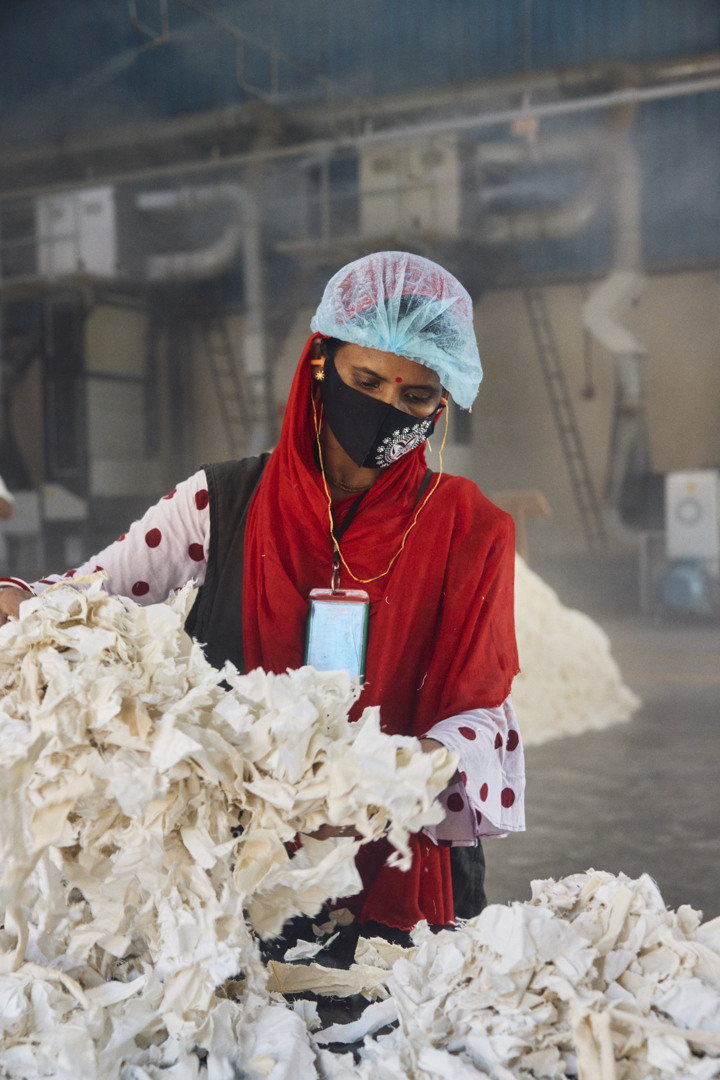
Reliable circular feedstock depends on reliable collection, sorting and aggregation, and those functions depend on the people doing the work. This also points to the question of who benefits in a circular system – during the conference we for example heard how sorting textiles for recycling can currently generate a loss, even though it is essential for making recycled feedstock available. Inclusive circularity means that we need to ensure that the people and businesses making material available in the system can earn a viable return from their contribution.
Putting different parts of the system around one table
During one of the evenings, H&M Foundation hosted a dinner in collaboration with Textile Exchange to explore how the shift to a circular and low-carbon textile industry can also be more inclusive and equitable. The intention was to bring together people working at different parts of the system, from the first mile and production to manufacturers and recyclers, brands and sourcing, finance, standards, policy and organisations working on wider systems change.
The conversation focused on understanding different realities and constraints, where progress is getting stuck and where collaboration might help overcome barriers that no organisation can address alone. It left us with two questions. How do we ensure that the people expected to implement change have as much influence over the solutions as those setting the ambition? And how do we better support the pioneers who are willing to move first, but who can’t create a circular system on their own?
The missing pieces between the pieces
Across discussions on regenerative agriculture, textile-to-textile recycling and finance, similar challenges surfaced around who commits first, how transition is financed and how risk and value are distributed.
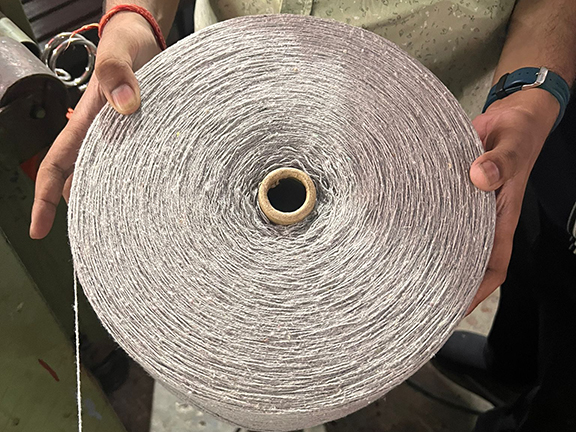
Overall, we heard that progress seems to stall because different actors are waiting someone else to move first, and that the barriers cannot be solved by improving one part of the system in isolation, there is a need for real commitments from many different actors. A recycler can build capacity but still needs the right material at the right quality and volume. First-mile actors can improve collection and sorting, but need infrastructure, access to markets, reliable offtake and viable pricing. Investment depends on credible demand, while demand alone does not create the infrastructure required to supply it. Our own framing of inclusive circularity similarly recognises that supply and demand need to develop together, with different actors holding different levers.
For us, this points to a few important insights:
- Shared ambition doesn’t automatically create progress. Instead, scaling circularity requires a group of actors to agree on where they want to go and what each needs to contribute to make progress possible.
- Reliable feedstock, demand, financing and partnerships can give different actors the confidence to invest. The underlying question is about how different actors can reduce uncertainty for one another.
- Manufacturers, collectors, sorters and recyclers may all be asked to invest or change how they work, but the costs and risks of transition do not necessarily sit in the same place as the value it creates. A transition that places costs and risks upstream without considering how value is shared will struggle to be both inclusive and resilient.
- Inclusion is about who benefits from circularity, but it is also about who participates in shaping it. First-mile actors bring practical knowledge about material recovery and local systems that is relevant to how circular value chains are designed and implemented.
We left Textile Exchange encouraged by the growing recognition that circularity is a systems challenge but also reminded of how difficult it is to turn that recognition into action. Perhaps the next step is not to bring everyone together around another shared ambition, but to find a group of actors willing to work towards a common destination and make commitments that allow each other to move.
Press contact

Head of Communications
In brief
Across the the Textile Exchange conference, we heard repeatedly that progress seems to stall because different actors are waiting someone else to move first.
And, as every circular material flow is built on a system of people, businesses, infrastructure and relationships, one fundamental issue becomes hard to ignore: who gets to participate in building the solutions, who carries the costs and risks of transition, and who ultimately benefits from the value created?


