Our Winners
Meet our heroes – the winners of the Global Change Award – and find out how their innovations are reinventing the fashion and textile industry.
Winners 2026
-
 2026
2026Agro-lyocell
Agro-Lyocell by Canvaloop turns agricultural waste into regenerated cellulosic fibres, replacing wood-based inputs and offering a forest-free alternative for textile production.
-
 2026
2026Alu
Alu is a digital platform that turns digital product passports into interactive tools, helping brands and consumers drive repair, resale, rental and recycling, and keep products in use for longer.
-
 2026
2026ArtSilk
ArtSilk uses microorganisms to produce fibres inspired by spider silk. The result is a high-performance, bio-based material that is recyclable and biodegradable.
-
 2026
2026EntroMetrix
EntroMetrix develops its own AI models to create a digital twin, a virtual model of production, enabling manufacturers to identify inefficiencies and optimise energy and material use.
-
 2026
2026Fiberly
Fiberly extracts cellulose from discarded textiles and restructures it to replicate the look and feel of cotton. The process uses green chemistry to maintain fibre performance.
-
 2026
2026Keltex
Keltex uses AI-optimised seaweed farming and biopolymer extraction to create biodegradable materials that replace animal and synthetic leather.
-
 2026
2026MicroBlue
Microbeworks produces MicroBlue, biodegradable textile dyes through microbial fermentation, designed to work with existing dyeing systems without requiring new infrastructure.
-
 2026
2026RheaCycle
RheaCycle™ by Rhea’s Factory, uses AI-designed enzymes to break down polyester in textile waste into pure building blocks that can be turned back into new fibres, enabling true circular recycling.
-
 2026
2026Tera Mira
Tera Mira converts seaweed into stretch fibres using a low-temperature, solvent-free wet-spinning process, creating a bio-based alternative to elastane.
-
 2026
2026threadBridge
threadBridge uses AI-powered smart glasses to detect fabric defects in real time and generate digital quality reports. The system combines an integrated camera with machine learning to identify issues instantly, helping prevent waste and improve efficiency.
Previous winners
-
 2025Bangladesh
Decarbonization Lab
Innovation needs a test bed – and the Decarbonization Lab provides just that. It’s an R&D hub developing low-impact textile treatments and dyeing techniques. By bridging science and industry, it brings practical decarbonisation within reach.
-
 2025China
DECORPET
Polyester is everywhere – and recycling it just got cleaner. DecoRpet’s low-temperature process removes dyes and impurities, creating 99.9% pure material ready for high-quality recycling. It’s a bold move towards faster, more scalable circularity.
-
 2019Switzerland
dimpora
To make outdoor wear withstand harsh weather conditions, environmentally harmful substances are often added. Dimpora has developed a solution. Their biodegradable, non-toxic, mineral-based membrane shields humans against the elements — and benefits the planet’s shared resources.
-
 2023United Kingdom
DyeRecycle
DyeRecycle uses green chemistry to give discarded fabric a second chance and salvage their dyes — enabling the colour from an old garment to be extracted, revived, and used to dye new fabrics.
-
 2017United Kingdom, United States
EON
EON is codifying the world’s products and giving them digital ID’s. A solution unlocking total traceability and adding value to discarded items, while making resale, recycling and repurposing simple.
-
 2020France
Fairbrics
Instead of emitting carbon dioxide into the air, this innovation collects the gas, activates it and transforms it into sustainable polyester fabric that looks and feels just like regular polyester.
-
 2020Brazil, United States
Galy
Galy uses biotechnology to create lab-grown cotton, a process that uses less water, no land and emits far less greenhouse gas than conventional cotton. And it’s fast, as much as ten times faster than growing cotton on land.
-
 2019Kenya
Green Nettle Textile
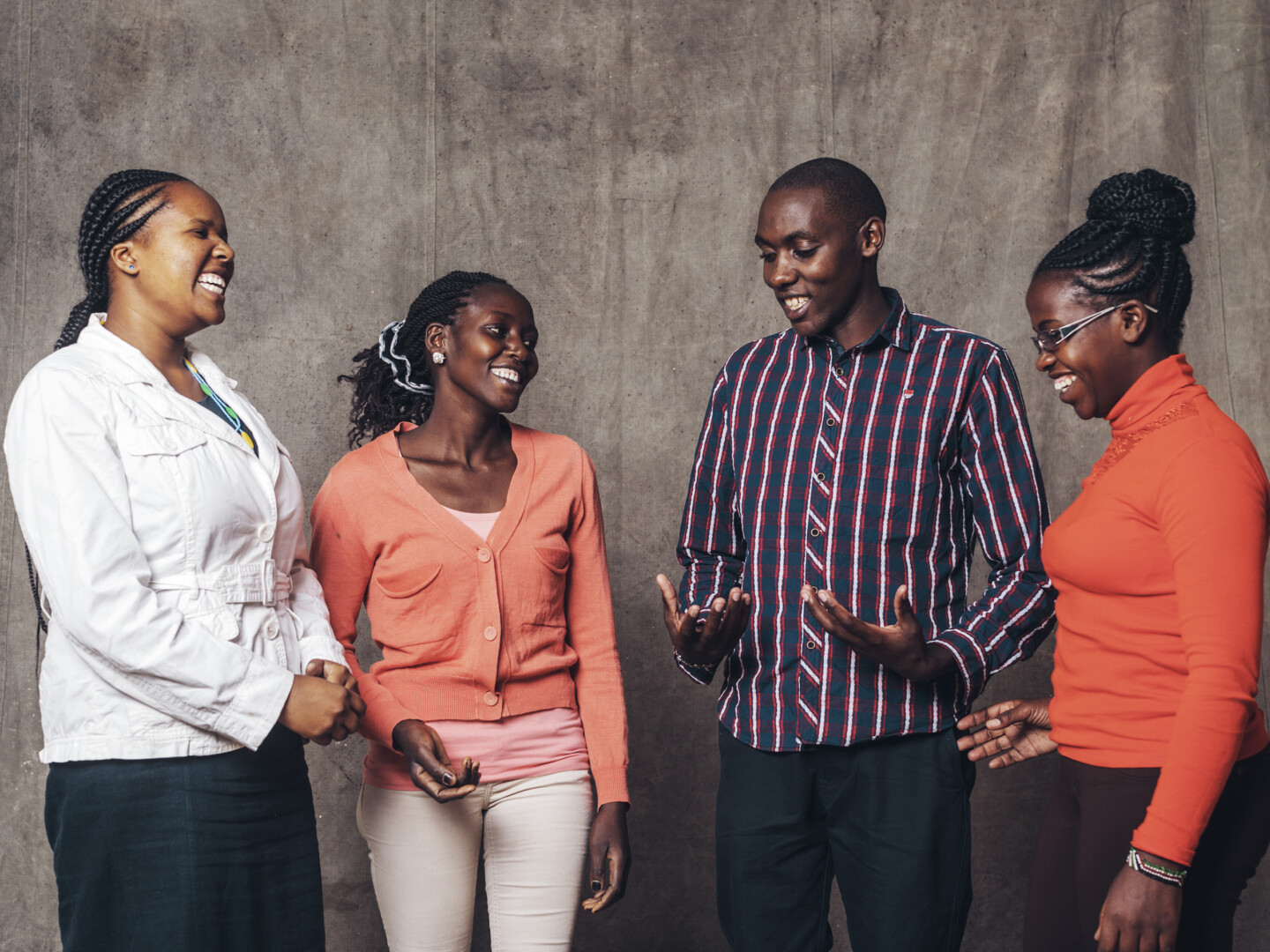
Is it possible to make a business on hard-to-access, thin-soiled steep slopes where irrigation is tricky, and machines can’t reach? Green Nettle Textile holds the answer. Their innovation turns nettles into a linen-like fabric, and creates job opportunities for smallholder farmers in the process.
-
 2016Finland
Ioncell
This technology turns used textiles, pulp and even old newspapers into new textile fibres sustainably and without harmful chemicals. The process converts cellulose into fibers which in turn can be made into long-lasting fabrics.
-
 2023India
KBCols Sciences
The textile industry’s standard dyeing practices are major contributors to freshwater pollution. KBCols is spearheading next-generation dyes, derived from living microorganisms with the potential to shift one of the most critical steps in the entire supply chain and turn it planet positive.
-
 2019Peru
Le Qara
This innovation transforms Peruvian flowers and fruits into lab-grown leather. And with the help of microorganisms, it’s possible to mimic virtually any desired leather texture, colour, toughness and thickness. Making the product versatile and attractive on the market.
-
 2025United Kingdom
Loom
Millions of garments are made, bought – and never worn. Loom helps change that. It’s a digital platform connecting people with designers to upcycle forgotten clothes into custom pieces. Making reuse easy, personal – and beautiful.