Our Winners
Meet our heroes – the winners of the Global Change Award – and find out how their innovations are reinventing the fashion and textile industry.
Winners 2026
-
 2026
2026Agro-lyocell
Agro-Lyocell by Canvaloop turns agricultural waste into regenerated cellulosic fibres, replacing wood-based inputs and offering a forest-free alternative for textile production.
-
 2026
2026Alu
Alu is a digital platform that turns digital product passports into interactive tools, helping brands and consumers drive repair, resale, rental and recycling, and keep products in use for longer.
-
 2026
2026ArtSilk
ArtSilk uses microorganisms to produce fibres inspired by spider silk. The result is a high-performance, bio-based material that is recyclable and biodegradable.
-
 2026
2026EntroMetrix
EntroMetrix develops its own AI models to create a digital twin, a virtual model of production, enabling manufacturers to identify inefficiencies and optimise energy and material use.
-
 2026
2026Fiberly
Fiberly extracts cellulose from discarded textiles and restructures it to replicate the look and feel of cotton. The process uses green chemistry to maintain fibre performance.
-
 2026
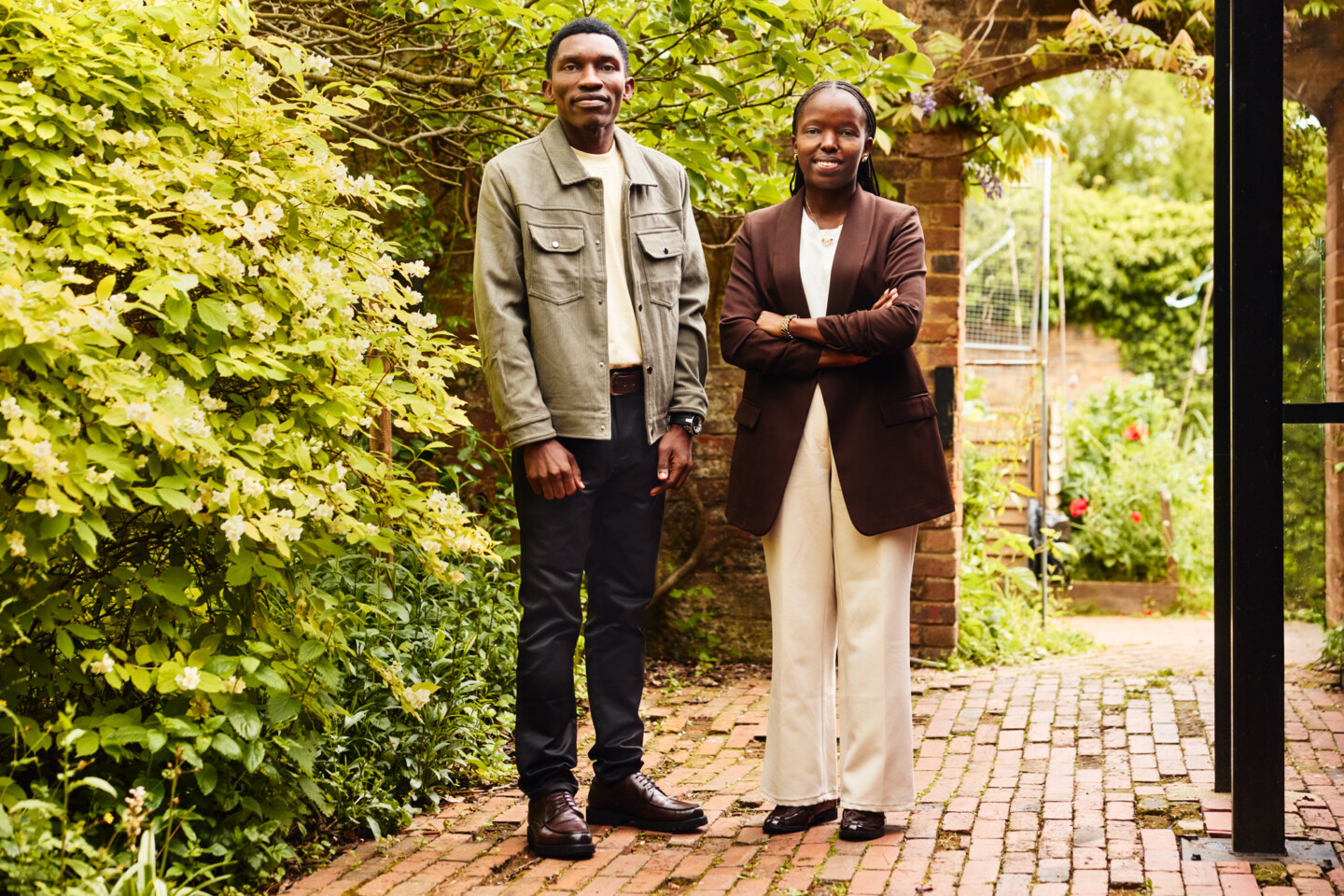
2026Keltex
Keltex uses AI-optimised seaweed farming and biopolymer extraction to create biodegradable materials that replace animal and synthetic leather.
-
 2026
2026MicroBlue
Microbeworks produces MicroBlue, biodegradable textile dyes through microbial fermentation, designed to work with existing dyeing systems without requiring new infrastructure.
-
 2026
2026RheaCycle
RheaCycle™ by Rhea’s Factory, uses AI-designed enzymes to break down polyester in textile waste into pure building blocks that can be turned back into new fibres, enabling true circular recycling.
-
 2026
2026Tera Mira
Tera Mira converts seaweed into stretch fibres using a low-temperature, solvent-free wet-spinning process, creating a bio-based alternative to elastane.
-
 2026
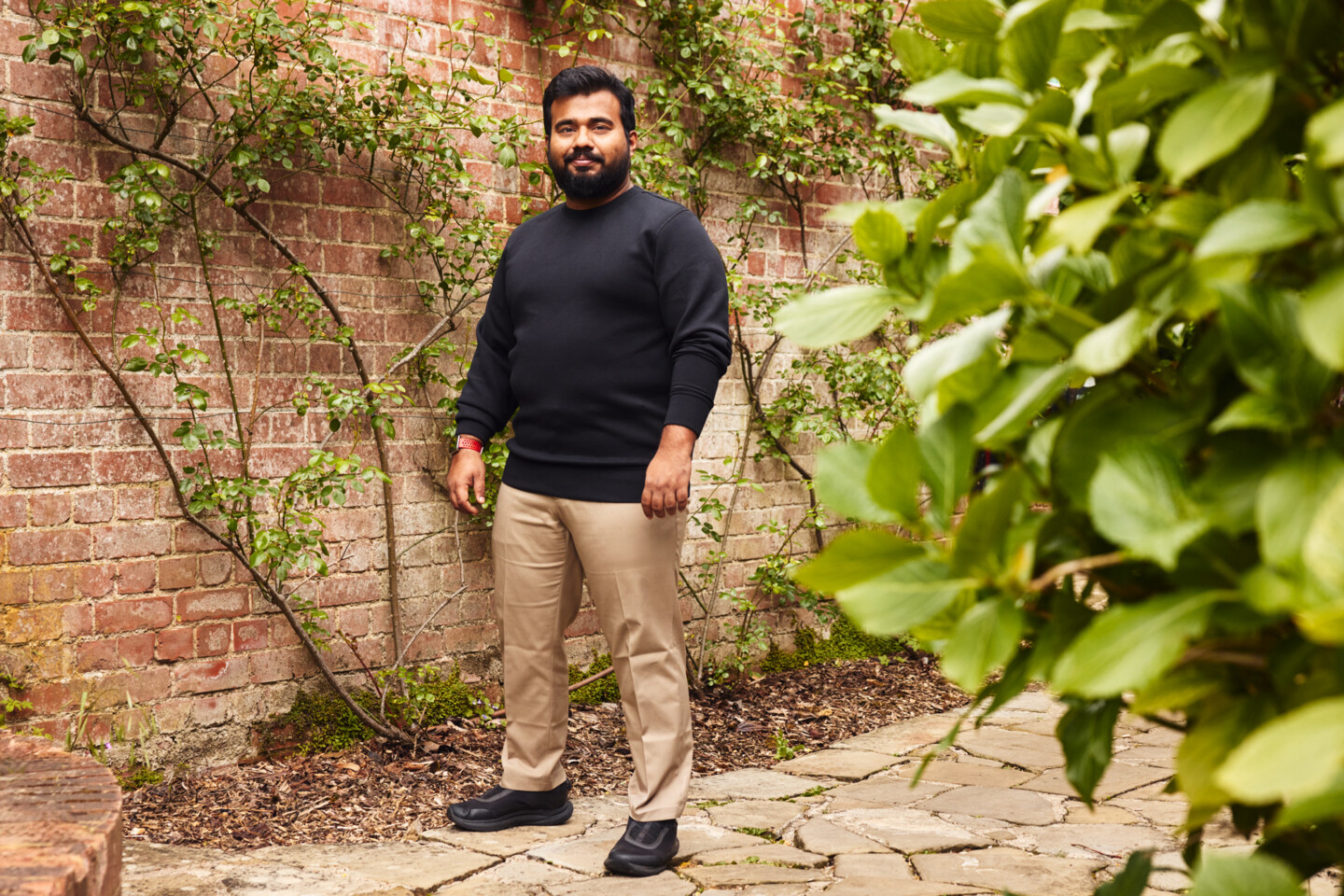
2026threadBridge
threadBridge uses AI-powered smart glasses to detect fabric defects in real time and generate digital quality reports. The system combines an integrated camera with machine learning to identify issues instantly, helping prevent waste and improve efficiency.
Previous winners
-
 2017Netherlands
Mestic
From manure to couture — Mestic extracts and uses the cellulose from cow waste to create a bio-textile similar to cotton. Reducing methane gas production and water pollution in the process.
-
 2018Netherlands
MycoTEX by NEFFA
This innovation fuses mushroom roots with 3D technology. MycoTEX creates custom-made, fungi-based clothing without the need to cut and sew. And as an extra perk, the garments can be composted at end-of-life.
-
 2023United Kingdom
Nanoloom
Graphene is the stuff of science fiction: 200 times stronger than steel, incredibly lightweight and highly flexible. Nanoloom is pushing the frontiers of modern science by spinning graphene into biodegradable fibre and making it wearable.
-
 2016Italy
Orange Fiber
Freshly squeezed, perfectly sun-kissed and ready to be rocked. Orange Fiber creates refined, silk-like textiles from citrus juice by-products.
-
 2019United Kingdom
Petit Pli
Inspired by space engineering and the ingenius folding techniques of origami, Petit Pli has developed an innovation that offers durable and appealing clothes that grow with its wearer.
-
 2023Brazil
PhycoLabs
PhycoLabs transforms seaweed into regenerative fabrics and sources the miracle organism from farming communities along Brazil’s vast coastline. The output? A traceable and regenerative material that improves the health of the planet — and the wealth of its traditional communities.
-
 2022Australia
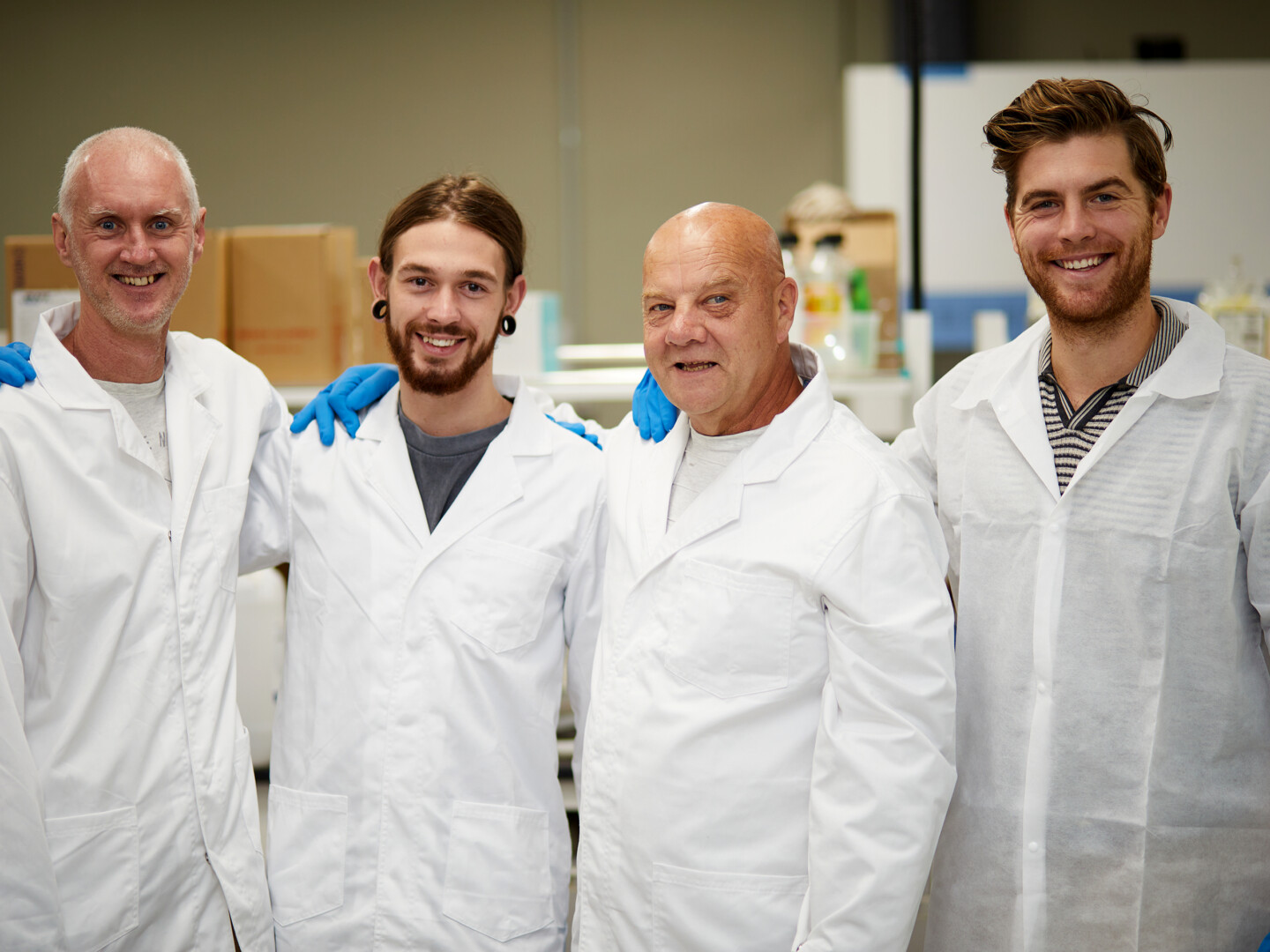
PLSTC
Instead of discarding worn-out synthetics, you can feed them to bacteria that turns them into food. PLSTC has developed bio-engineered bacteria that digests plastic waste and converts it into proteins, carbohydrates and fats.
-
 2022United Kingdom
Ponda
Healing damaged lands and delivering a planet positive alternative to goose down in the process. Ponda uses regenerative agriculture to rewet and regrow native plants to peatlands, transforming the harvest into warm, light-weight and water-repellent BioPuff®.
-
 2025United Kingdom
PULPATRONICS
RFID just got a rethink. PulpaTronics has developed metal-free tags made from paper and printed with carbon-based ink – making them cheaper, fully recyclable, and a smart step towards reducing e-waste in fashion supply chains.
-
 2022China
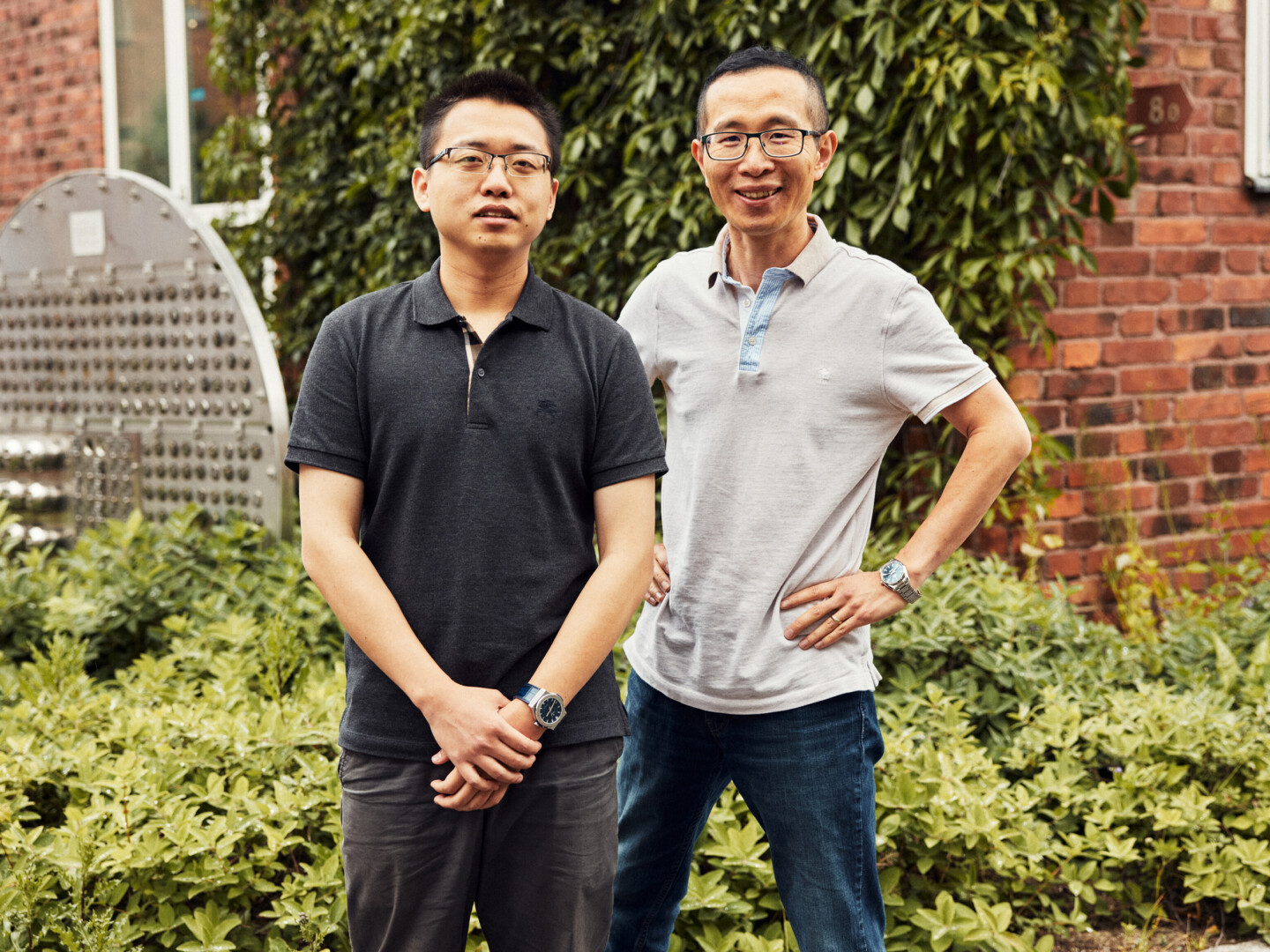
Quingdao Amino
Polyester and elastane blends are notoriously difficult to recycle. Or, they were. Quingdao Amino uses a mild chemical process to separate the materials and transform end-of-life garments into reusable raw materials.
-
 2023United States
Refiberd
The future of fashion depends hugely on recyclability. By merging AI and state-of-art robotics, Refiberd detects a garment’s composition and sorts it into its material range with laser precision.
-
 2025Sweden
Renasens
Recycling blended textiles is tough. Renasens does it without water, harsh chemicals or high energy – keeping fibre integrity and removing dyes in one go. A clean, scalable way to turn textile waste into new raw materials.