Our Winners
Meet our heroes – the winners of the Global Change Award – and find out how their innovations are reinventing the fashion and textile industry.
Winners 2026
-
 2026
2026Agro-lyocell
Agro-Lyocell by Canvaloop turns agricultural waste into regenerated cellulosic fibres, replacing wood-based inputs and offering a forest-free alternative for textile production.
-
 2026
2026Alu
Alu is a digital platform that turns digital product passports into interactive tools, helping brands and consumers drive repair, resale, rental and recycling, and keep products in use for longer.
-
 2026
2026ArtSilk
ArtSilk uses microorganisms to produce fibres inspired by spider silk. The result is a high-performance, bio-based material that is recyclable and biodegradable.
-
 2026
2026EntroMetrix
EntroMetrix develops its own AI models to create a digital twin, a virtual model of production, enabling manufacturers to identify inefficiencies and optimise energy and material use.
-
 2026
2026Fiberly
Fiberly extracts cellulose from discarded textiles and restructures it to replicate the look and feel of cotton. The process uses green chemistry to maintain fibre performance.
-
 2026
2026Keltex
Keltex uses AI-optimised seaweed farming and biopolymer extraction to create biodegradable materials that replace animal and synthetic leather.
-
 2026
2026MicroBlue
Microbeworks produces MicroBlue, biodegradable textile dyes through microbial fermentation, designed to work with existing dyeing systems without requiring new infrastructure.
-
 2026
2026RheaCycle
RheaCycle™ by Rhea’s Factory, uses AI-designed enzymes to break down polyester in textile waste into pure building blocks that can be turned back into new fibres, enabling true circular recycling.
-
 2026
2026Tera Mira
Tera Mira converts seaweed into stretch fibres using a low-temperature, solvent-free wet-spinning process, creating a bio-based alternative to elastane.
-
 2026
2026threadBridge
threadBridge uses AI-powered smart glasses to detect fabric defects in real time and generate digital quality reports. The system combines an integrated camera with machine learning to identify issues instantly, helping prevent waste and improve efficiency.
Previous winners
-
 2018Belgium
Resortecs
Recycling is one of the biggest obstacles in the fashion industry. And removing buttons and zippers call for manual assistance, making the process costly and time consuming. Resortecs solves the problem by supplying a thread that dissolves at a high temperature.
-
 2023Kenya
Rethread Africa
By turning waste from example sugar and corn production into biobased synthetics, this innovative material uses far fewer resources while upholding the same qualities as petrol-based alternatives. The best part? These textiles will naturally decompose if discarded.
-
 2016Estonia
Reverse Resources
Reverse Resources maps, traces and transfers textile leftovers through a network of textile-to-textile partners. This digital platform connects brands, suppliers, recyclers and traders in a push to make textile waste history.
-
 2017United Kingdom
RFID Threads Ltd
RFID Threads Ltd has developed a washable and flexible e-thread packed with valuable information and designed to bridge the communication gap between manufacturers and recyclers to enable automatic garment recycling.
-
 2018Sweden
RISE IVF
Recycling textiles is tricky. Especially if it’s a mix of materials, like polyester and cotton blends. RISE IVF makes garment recycling a breeze. Using an earth-friendly chemical, they separate and regenerate cotton and polyester into new, fully usable, textile fibres.
-
 2022United States
Rubi
This future-proof fabric is carbon-negative and consumes virtually no water, no chemicals, no land, and produces no waste. Rubi is planet positive viscose made of carbon emissions captured from the air.
-
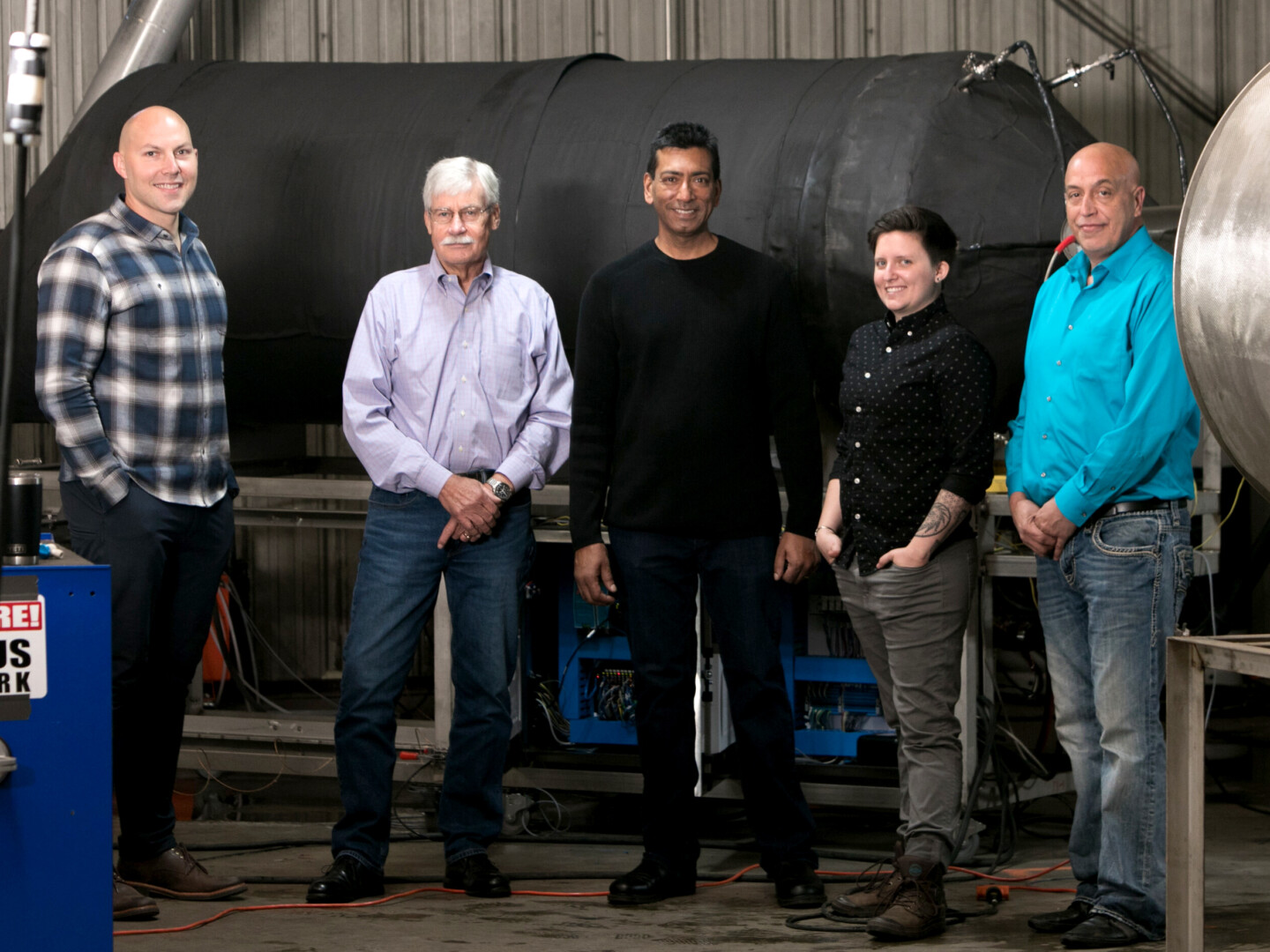 2020United States
SeaChange Technologies
This water treatment technology uses a powerful jet engine to purify the most challenging industrial wastewater. Turning sludge and chemical discharge into a dry powder, and extracting clean water to be released or reused.
-
 2017Switzerland, United States
Sunthetics
Nylon is a popular synthetic, but making it is far from sustainable. Sunthetics harvests the sun’s energy to create an alternative to nylon made from water, plant waste and solar power.
-
 2023United States
SXD
For every garment made, textile scraps get left behind. This AI solution by SXD is prompted with design concepts and fabric information from brands or manufacturers. Then, it generates a 100% efficient design that saves fabric and puts every millimetre of it to use.
-
 2019Japan
Synflux
To reduce waste in fashion design, the creative process needs an overhaul. Synflux has developed an AI-powered solution that provides designers with a transparent system for pattern making, capable of substantially reducing waste and energy.
-
 2018United States
Tandem Repeat
Inspired by the self-healing characteristics in squid genes, Tandem Repeat has developed a self-healing, elastic textile that serves as a biodegradable alternative to spandex.
-
 2023United States
Tereform
By using oxidation, polyester-based textiles can be deconstructed and reconstructed in a fully circular fashion — helping turn textile-to-textile recycling into reality.