Our Winners
Meet our heroes – the winners of the Global Change Award – and find out how their innovations are reinventing the fashion and textile industry.
Winners 2026
-
 2026
2026Agro-lyocell
Agro-Lyocell by Canvaloop turns agricultural waste into regenerated cellulosic fibres, replacing wood-based inputs and offering a forest-free alternative for textile production.
-
 2026
2026Alu
Alu is a digital platform that turns digital product passports into interactive tools, helping brands and consumers drive repair, resale, rental and recycling, and keep products in use for longer.
-
 2026
2026ArtSilk
ArtSilk uses microorganisms to produce fibres inspired by spider silk. The result is a high-performance, bio-based material that is recyclable and biodegradable.
-
 2026
2026EntroMetrix
EntroMetrix develops its own AI models to create a digital twin, a virtual model of production, enabling manufacturers to identify inefficiencies and optimise energy and material use.
-
 2026
2026Fiberly
Fiberly extracts cellulose from discarded textiles and restructures it to replicate the look and feel of cotton. The process uses green chemistry to maintain fibre performance.
-
 2026
2026Keltex
Keltex uses AI-optimised seaweed farming and biopolymer extraction to create biodegradable materials that replace animal and synthetic leather.
-
 2026
2026MicroBlue
Microbeworks produces MicroBlue, biodegradable textile dyes through microbial fermentation, designed to work with existing dyeing systems without requiring new infrastructure.
-
 2026
2026RheaCycle
RheaCycle™ by Rhea’s Factory, uses AI-designed enzymes to break down polyester in textile waste into pure building blocks that can be turned back into new fibres, enabling true circular recycling.
-
 2026
2026Tera Mira
Tera Mira converts seaweed into stretch fibres using a low-temperature, solvent-free wet-spinning process, creating a bio-based alternative to elastane.
-
 2026
2026threadBridge
threadBridge uses AI-powered smart glasses to detect fabric defects in real time and generate digital quality reports. The system combines an integrated camera with machine learning to identify issues instantly, helping prevent waste and improve efficiency.
Previous winners
-
 2025India
A Blunt Story
Most soles are made from plastic. UNCRUDE® by A Blunt Story swaps that out for plant-based and recycled materials – building shoes from agricultural waste while supporting farmers and reducing microplastic pollution from the ground up.
-
 2016Netherlands
Algae Fabrics
What if the answer to some of fashion’s most pressing issues lies just below the surface of the ocean? Algae Fabrics extracts cellulose from seaweed and immerses it in a liquid, creating a regenerative textile that needs no land — and obviously no watering.
-
 2018Israel
Algaeing
Algaeing transforms seaweed into bio-fibre and eco-friendly dye. And it gets better — the product releases antioxidants and vitamins that benefit the skin.
-
 2023Canada
ALT TEX
Using three steps, ALT TEX transforms food waste and makes it wearable. The novel solution ferments waste into polymers, melts polymers into yarn, and spins yarn into an industrially biodegradable polyester.
-
 2016United States
Ambercycle
What’s gone, isn’t gone forever. Ambercycle brings end-of-life textiles back to life, unlocking new life cycles for materials through a molecular regeneration process. The innovation separates components in textiles and creates pure raw materials for brands and manufacturers.
-
 2023United Kingdom
Aoleen
The foam in our shoes, the coating on our coats, the invisible seams on our gym clothes include polyurethane, a resilient petrochemical causing microplastics pollution. Aoleen is a biobased alternative creating adhesives, foams and coatings made with regenerative technology reducing plastic pollution.
-
 2022Sweden
BIORESTORE
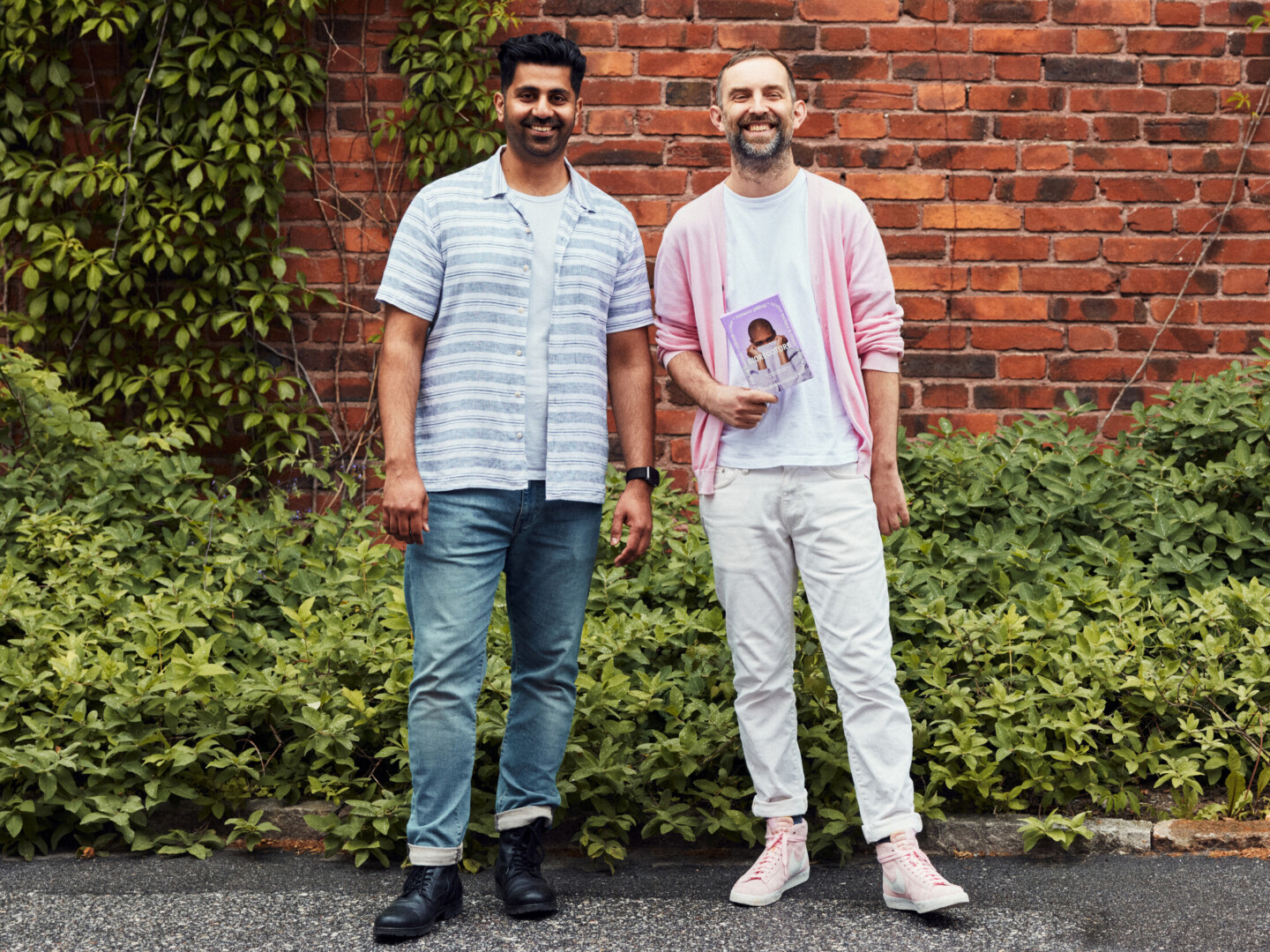
A laundry solution that removes pilling and restores shape and colour to worn-out garments. The solution’s perfect mix of enzymes and minerals react with water and fibres, launching a bio-chemical process that renews clothes in one wash.
-
 2025United Kingdom
Brilliant Dyes
Dyeing is one of fashion’s most polluting stages. Brilliant Dyes uses phycocyanin from cyanobacteria to create biodegradable pigments through low-energy extraction. A colourful solution for a cleaner future.
-
 2018United States
Circular Systems
Banana trees, pineapple leaves, rice straws, sugar cane stalks and seed oil from hemp and flax. These food byproducts are often seen as waste and left to rot. Circular Systems’ innovation transforms leftovers into bio-textiles in a cost competitive and scalable way.
-
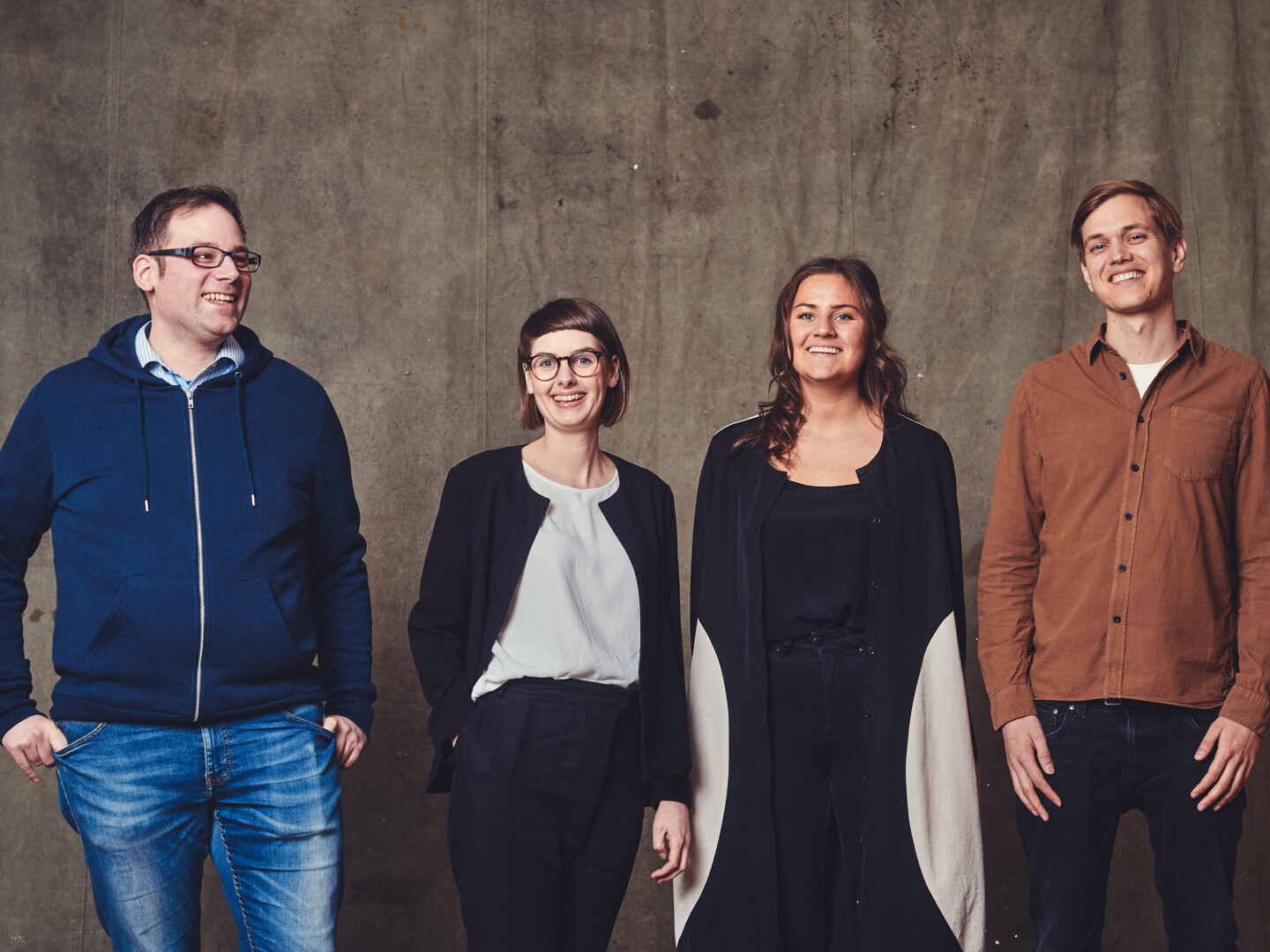 2019Germany
circular.fashion
With state-of-the-art digital tools, circular.fashion is moving the textile industry towards circularity. It enables manufacturers to champion circular textiles. Makes it easy for designers to choose sustainable techniques. And gives consumers a product passport showing an item’s planetary impact.
-
 2025Germany
CircularFabrics
Blended textiles are notoriously hard to recycle. CircularFabrics tackles that with NYLOOP® – a technology that captures high-quality nylon from complex textile waste without breaking it down. The result? A strong, circular fibre ready for reuse.
-
 2017Australia
Deakin University
Jeans are fashion’s most iconic style. But giving the wardrobe staple their signature blue pigment is one of the industry’s most water-consuming processes. Deakin University has a developed a solution that makes it possible to use used denim to dye new denim.