Innovation to futureproof the workforce and the RMG sector in Bangladesh
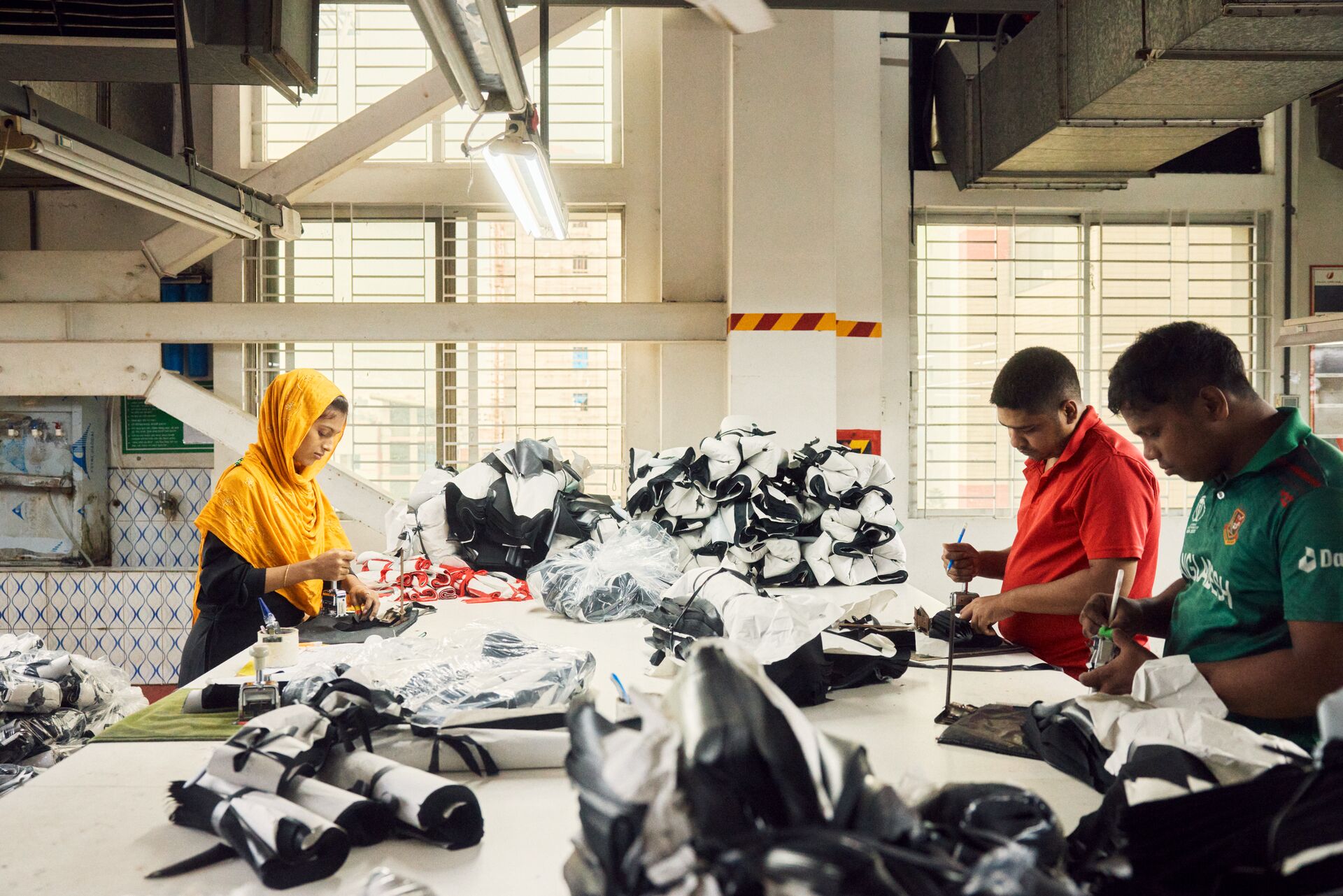
As global supply chains shift towards low-carbon production and automation scales up, new innovative approaches are needed to enhance women’s employability and to ensure the competitiveness of the Ready Made-Garment (RMG) sector in Bangladesh.
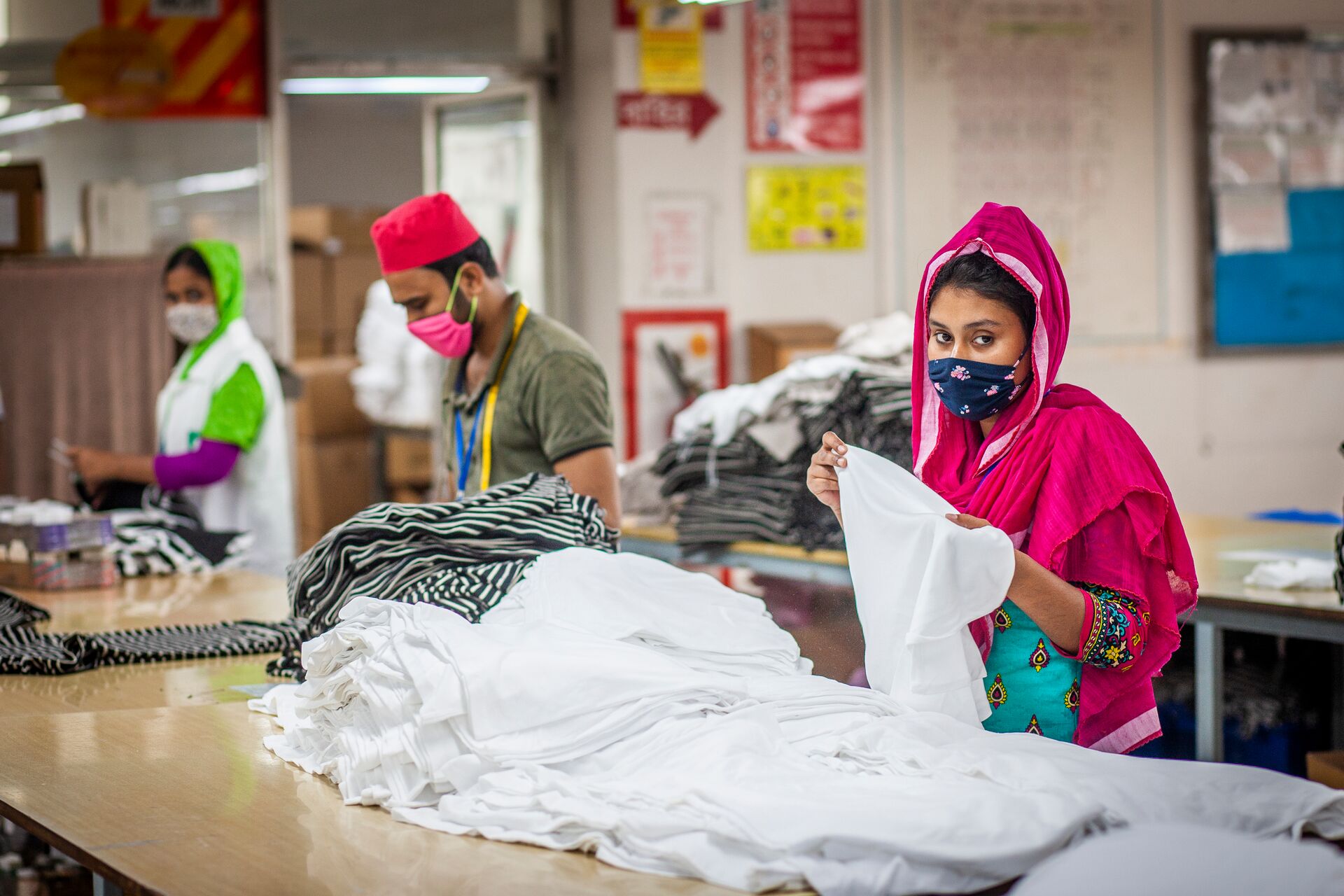
Bangladesh is a vivid example of the opportunities and risks of transitions due to climate change. Rising sea levels could flood 17% of its land by 2050, displacing up to 20 million people, while heat stress alone threatens to reduce working hours by nearly 5% by 2030. As the country joins 195 other nations on the path to net-zero under the Paris Agreement, transforming this sector into a low-carbon, climate-resilient, and inclusive industry is not just necessary, it’s strategic. The textile industry has been at the heart of Bangladesh’s economic growth and today it employs 36% of Bangladesh’s industry workforce, contributes to 38% of the national GDP and accounts for 20% of the country’s industrial Greenhouse Gas Emissions.
A low-carbon, climate-resilient, and just textile industry can create opportunities for businesses and workers, and secure its long-term development and future competitiveness. To meet this moment, we must move beyond isolated solutions – we need systems change. Within our multi-partner initiative Oporajita, 14 partners joined hands to prepare women garment workers for a low carbon future defined by automation – one in which they have greater agency to lead secure, dignified, and fulfilling lives.
Innovation to drive a just transition
As part the initiative, Build Bangladesh has been driving the Needle Innovation Challenge (NIC) – an accelerator fuelling scalable, socially inclusive solutions that keep people and planet at the core.
NIC is about embedding innovation into the wider ecosystem of change. As part of our larger initiative Oporajita, NIC ensures that game-changing ideas don’t exist in isolation. Instead, they contribute to a broader transformation that supports women’s employability, promotes sustainable production, and strengthens industry resilience.
Startups in the programme are selected not only for their technical promise, but for how well they address three critical priorities:
- Enhancing the competitiveness of the RMG industry
- Creating social models that empower women workers
- Accelerating the shift to a circular economy
Crucially, these innovations are developed with workers, not just for them, ensuring practical, people-led solutions that can scale sustainably within real-world supply chains. A couple of examples;
ThreadBridge: Ai meets human potential
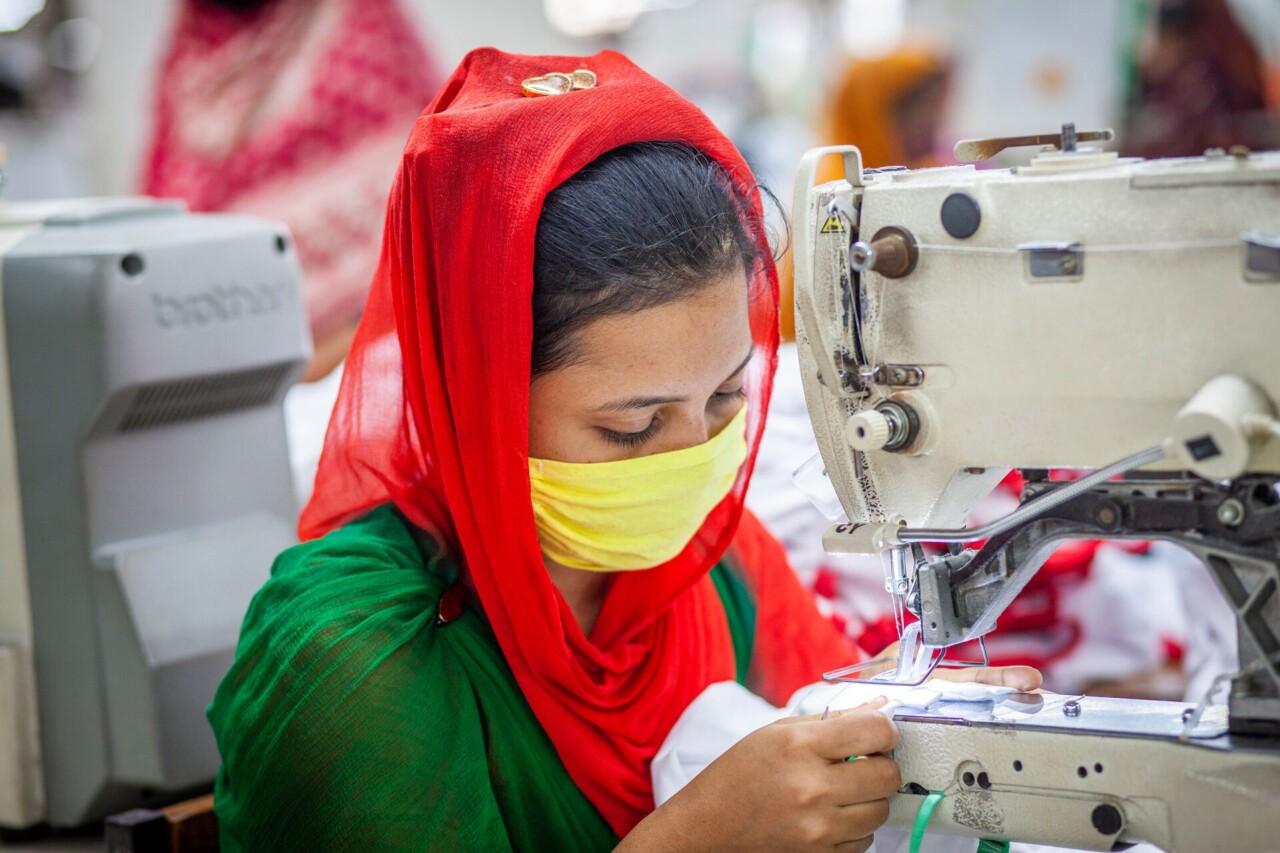
In the RMG factories quality control has traditionally been labour-intensive, repetitive, and prone to error. ThreadBridge is offering an Ai-powered detection system using smart glasses and a mobile app to find any quality flaws.
By flagging garment defects in real time, the system helps factories reduce waste and boost efficiency. But the real power lies in its simplicity: garment workers, often with little to no tech background, can quickly learn to operate the system, transitioning into higher-value, data-driven roles that increase their long-term employability.
“Instead of replacing workers, we’re equipping them,” says the team behind ThreadBridge. “Our goal is to ensure that digitalisation means opportunity, not exclusion.”
Pina-TEX Wear: waste becomes wardrobe
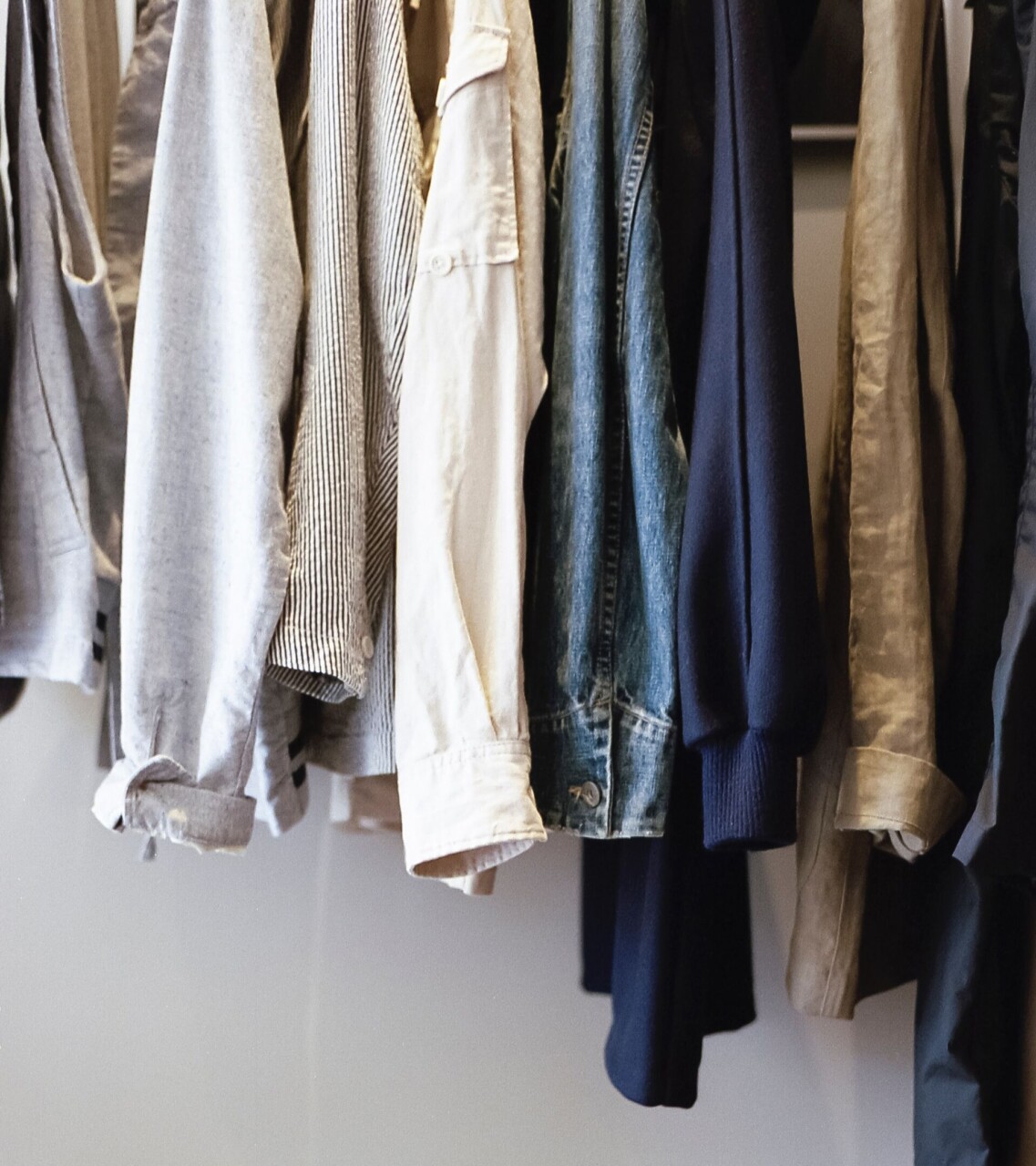
Pina-TEX Wear proves that sustainability and local innovation can go hand in hand. The startup blends pineapple leaf fibre, an agricultural byproduct, with cotton to create durable, biodegradable textiles.
But it’s not just about the material, Pina-TEX Wear is also creating jobs for women in rural areas focused on fibre processing and yarn production, while championing inclusive leadership through its female co-founder. The startup is already piloting five prototypes and looking to scale with industry partners.
Systems change through collective impact
By placing innovation within the broader context of social inclusion and sustainability, Oporajita and NIC are showcasing the benefits of collaboration – showing what a just transition can look like in practice. NIC is deeply embedded in Oporajita’s collective impact framework, from working with CAIF to develop training materials, to leveraging LightCastle Partner’s Bunon 2030 platform and partnering with Save the Children and WaterAid on district-level outreach. This isn’t just about creating a few standout startups. It’s about shifting mindsets, redirecting resources, and building an ecosystem where inclusive innovation becomes the new industry norm.
Press contact

Head of Communications
In brief
As part our larger initiative Oporajita, our partner Build Bangladesh is driving the Needle Innovation Challenge (NIC) – an accelerator fuelling scalable, socially inclusive solutions that keep people and planet at the core.
These startups contribute to a broader transformation that supports women’s employability, promotes sustainable production, and strengthens industry resilience.