What I learned in Vietnam: Reflections from Changemaker Week 3
Week 3 marks the final chapter of the GCA Changemaker Programme and is a week of industry immersion: stepping inside production sites, meeting manufacturers and connecting innovation to real-world implementation. In this blog post, 2025 winner and co-founder of PulpaTronics Chloe So shares her reflections from the week.

Chloe So, co-founder of PulpaTronics.
This is a blog post by Chloe So from PulpaTronics, GCA winner of 2025.
When I realised Changemaker Week 3 would take place in Vietnam, I felt a myriad of emotions. I was excited to go to Asia and reconnect with the cohort, but I was also aware that this was the final chapter of the Changemaker Programme.
More than anything, I was looking forward to seeing production up close, to step inside factories and see how our innovation could work in practice, where it might fit and what real-world challenges it would face.
But once we were there, I realised Week 3 wasn’t only about touring factories. It was about seeing the system, and understanding the role we, as innovators, need to play within it.
Progress through collaboration
During the week, we visited Recover, Seduno Group and Dawn Denim / Evolution Lab, three very different production environments.
Whereas Recover focuses on producing recycled cotton fibre as a materials solution for circular textiles, Seduno operates on a much larger scale across knitwear and garment manufacturing. Dawn Denim / Evolution Lab, meanwhile, combines denim production with a strong emphasis on sustainability, transparency and workplace culture.
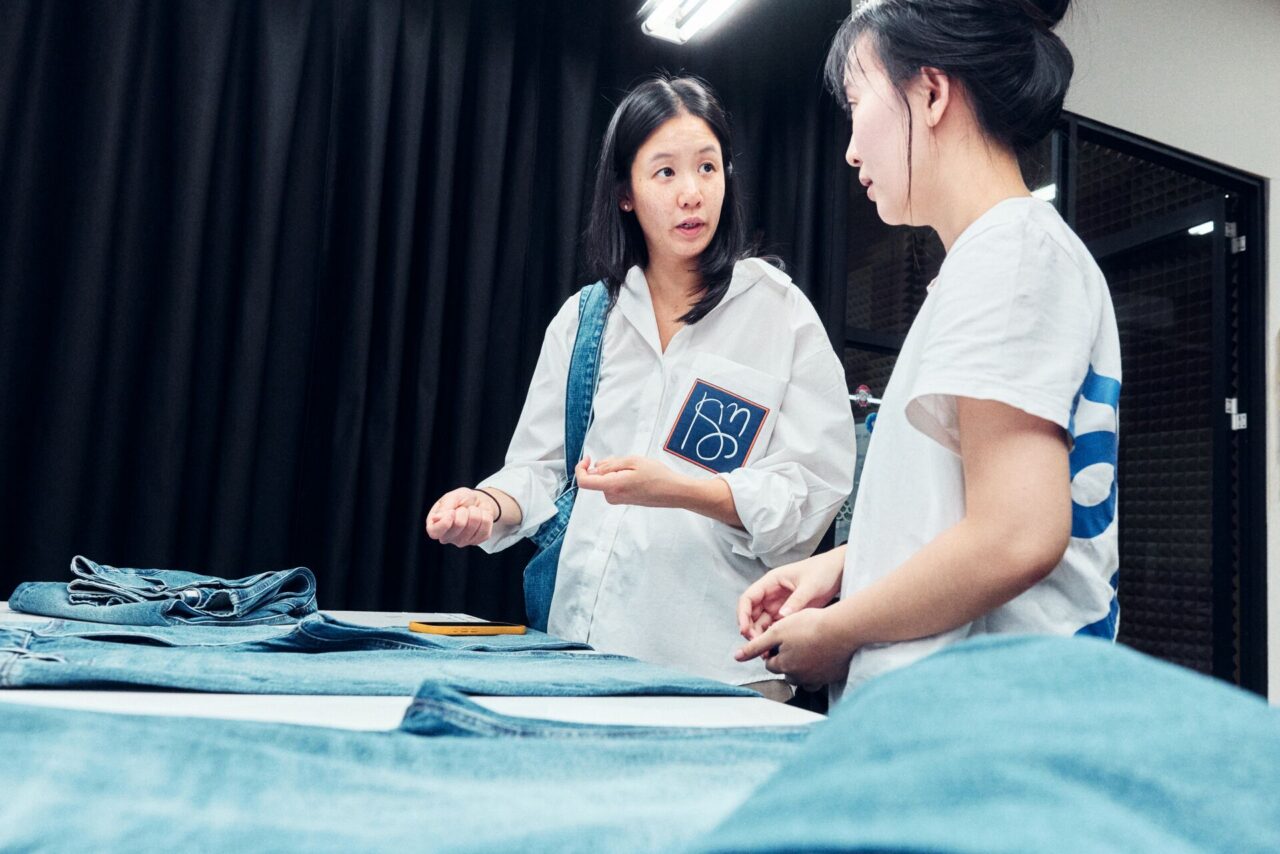
Moving between these different environments made something very clear to me: it’s less about size and more about values and mission. The way factories operated was shaped not just by capacity, but by what they stood for and how they saw their role in the system. Smaller operations often relied more on outsourcing, while larger facilities had greater internal capabilities.
In one of my daily reflections, I wrote: “I wish more factories shared the same vision of being responsible for their actions in the ecosystem. It’s really hard to move the industry as a single new incumbent – we need legacy players to change as well.”
You could feel the passion for what smaller factories were building. But you could also sense how difficult it is to drive change in an uphill battle. It further reinforced that real progress depends on collaboration, especially when larger operations can use their scale and influence to help accelerate transformation across the supply chain.
You could sense how difficult it is to drive
Chloe So
change in an uphill battle.
Why immersion matters
Only after stepping back and seeing the system more clearly did I begin to understand the complexity of what we’re trying to tackle, and how our product can genuinely impact the space.
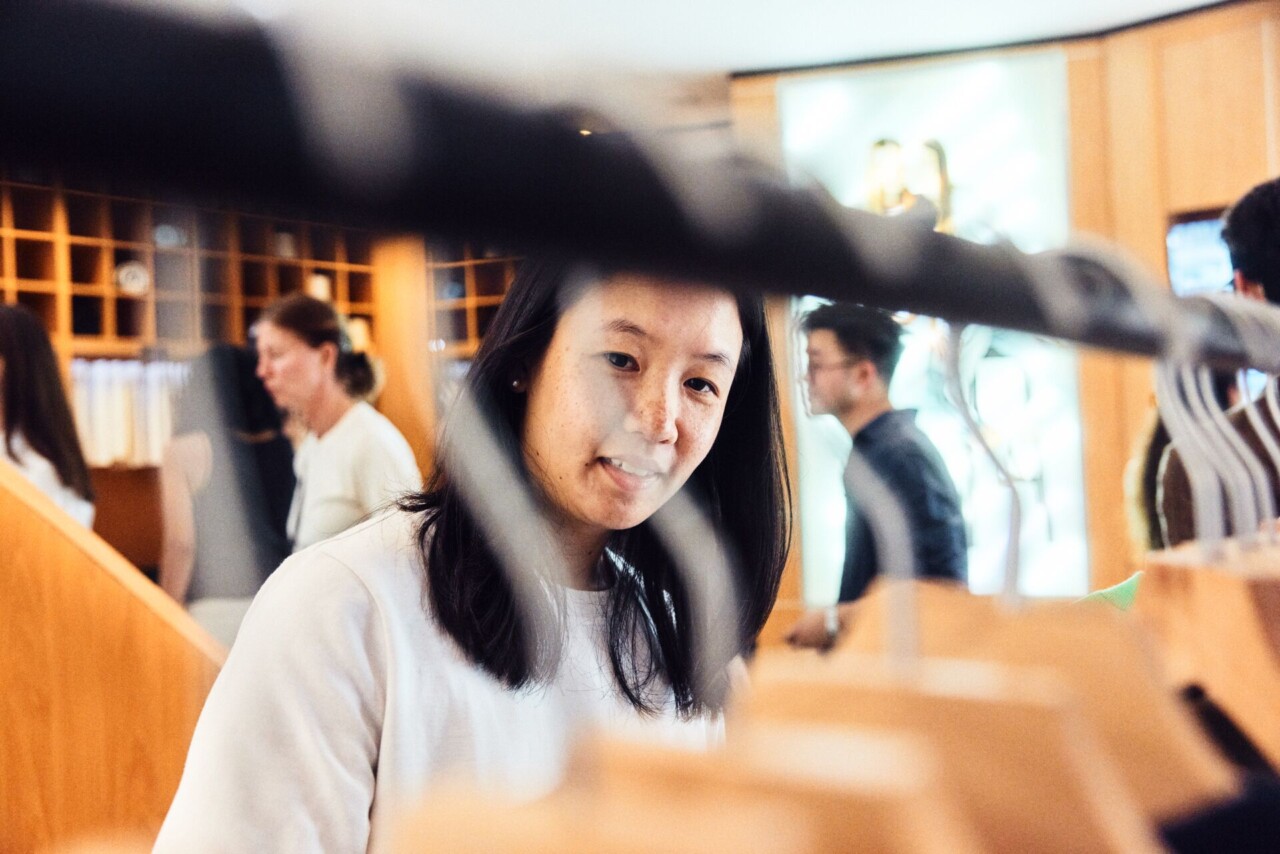
One of the most significant shifts for me came from observing how decisions are made inside factories and where innovation can make a meaningful difference.
We saw that larger factories had more digitisation tools and very different operational pain points. By understanding where inefficiencies and constraints actually sit, we began thinking differently about how to scale our own innovation: metal-free RFID tags. It pushed us to explore new business model approaches and reflect on how our solution could impact not just processes, but the communities connected to them.
I realised that it isn’t only about solving a problem. It’s about positioning your solution within a complex system that already exists.
Chloe So
The worst thing an innovator can do is force a product that no one wants. Experiences like this validate, challenge and, more importantly, improve the solutions we’re bringing to market.
Closing one chapter, opening another
Throughout the week, GCA partners KTH Innovation, Accenture and The Mills Fabrica also facilitated hands-on sessions on ecosystem mapping, impact measurement and leadership development, shifting our focus from what we had observed inside factories to how we would apply those insights in our own work moving forward.
Week 3 also marked my graduation into the GCA alumni network. This moment gave me extra motivation. We’ve absorbed all the training and mentorship from the programme, and with the tools, frameworks and networks we gained, I feel more equipped and confident. I’m excited and motivated to see how far we can go.
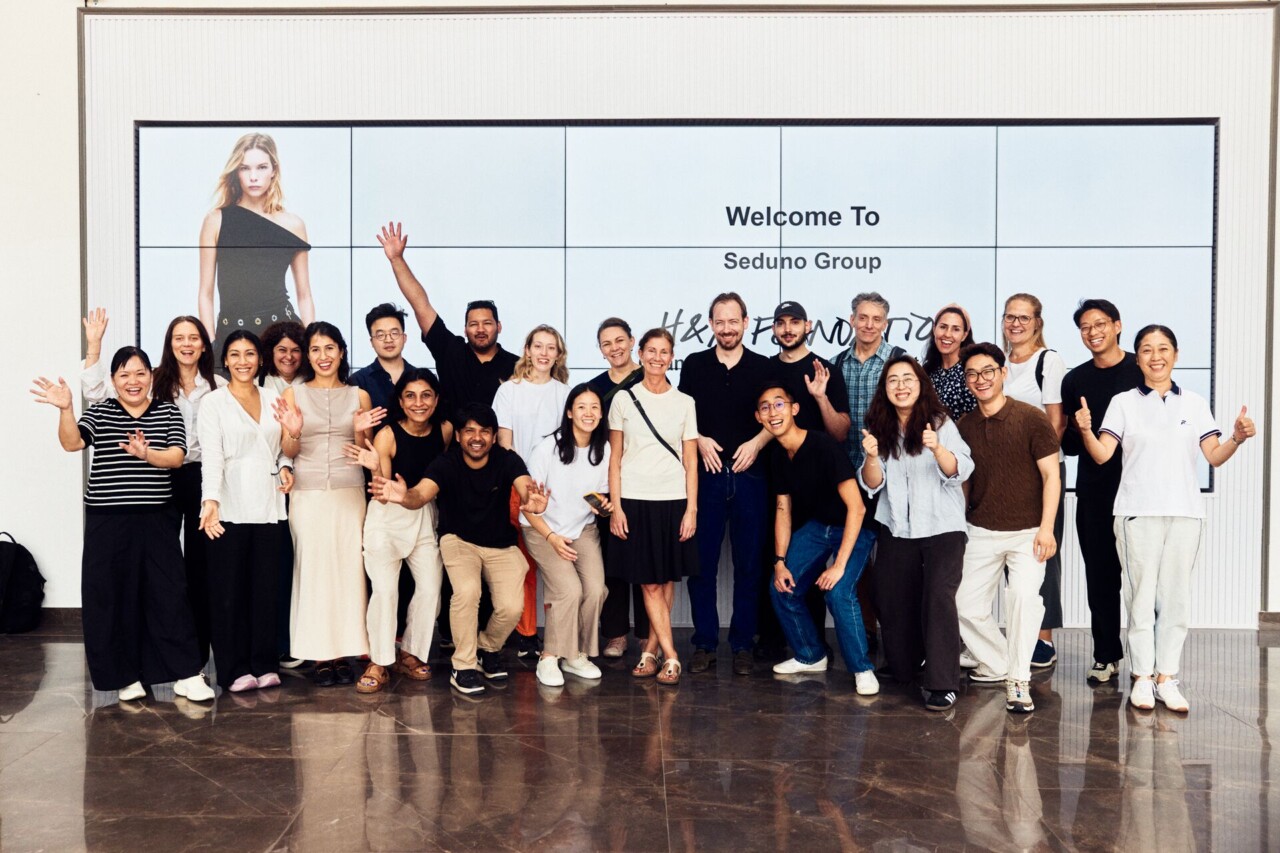
Graduation isn’t only about moving forward.
It also represents a time to give back. The H&M Foundation gave us an incredible opportunity to grow as innovators. We’re grateful and excited to support the next generation of innovators and continue learning within the alumni network.
And for the next cohort heading to a production country?
Go with lots of questions. Visiting a factory is rare. Be curious. And expect to reconnect, reflect – and have fun too.
Press contact

Head of Communications
About the GCA Changemaker Programme
The GCA Changemaker Programme is a yearlong journey designed to help each winner develop their idea, grow as leaders and position their innovation within the wider system.
Throughout the year, the cohort comes together in person three times. In 2025 they met in London, Stockholm and Ho Chi Minh City, connecting strategy, systems thinking and real-world implementation.