Raising capital: lessons from three founders scaling circular innovation
Raising capital is often described as a numbers game. For textile innovators, it can mean speaking to more than 100 investors before finding the right partner. We asked three former GCA winners how they secured their first investment, what surprised them most, and what they would do differently.

Neeka Mashouf, Walden Lam and Jade Bouledjouidja.
Neeka Mashouf of Rubi Laboratories, Walden Lam of unspun and Jade Bouledjouidja of Renasens are working on very different innovations. But as GCA winners, they share another experience: all three have successfully secured investment to scale their businesses. Their paths to a first investor, however, looked very different.
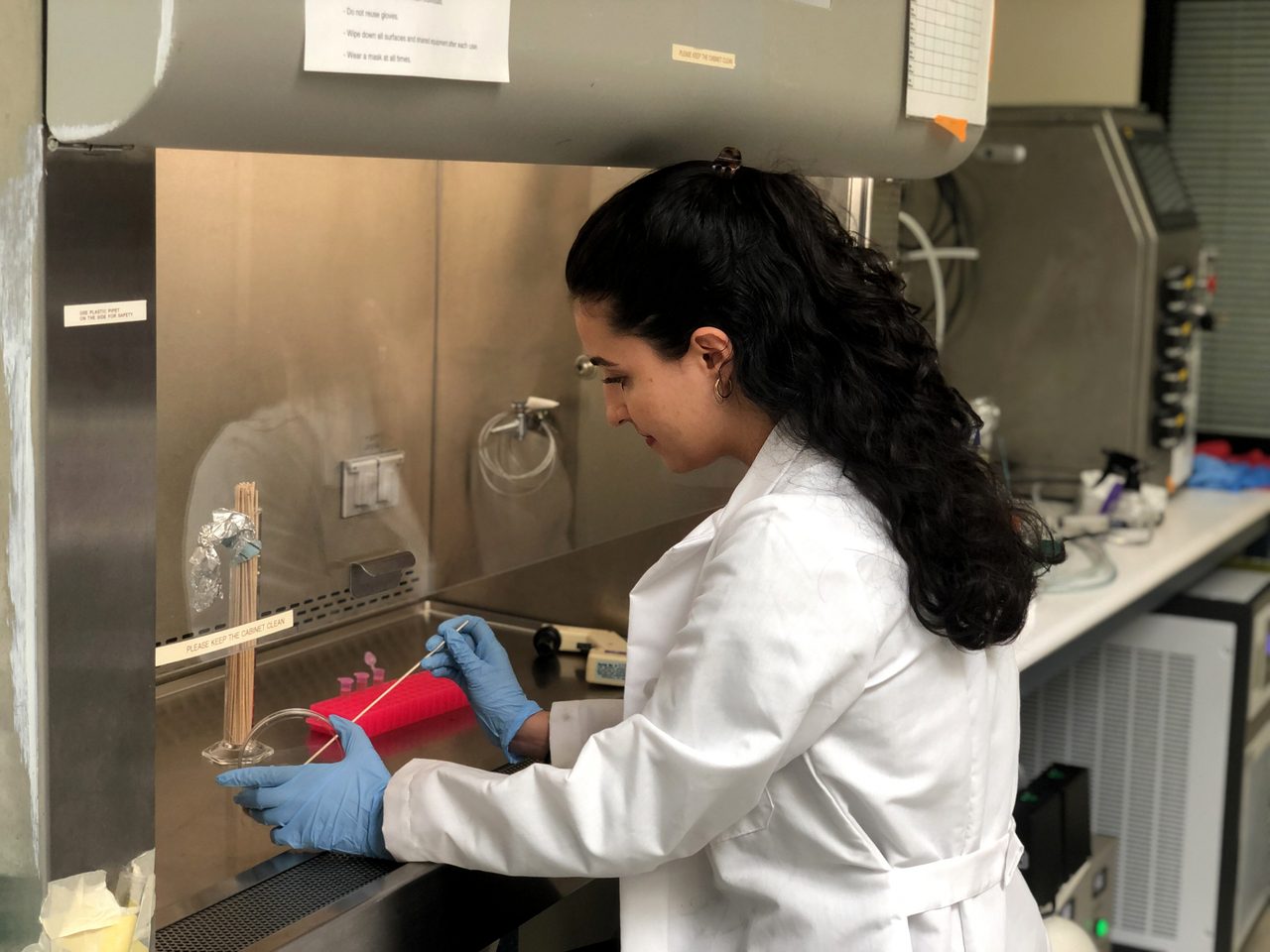
“The initial catalysts for my first investor meetings were warm introductions from founder peers who were generous enough to open up their cap tables and connect me with investors whom they thought would be a good fit”, says Neeka Mashouf of Rubi Laboratories, which is developing textiles from captured carbon emissions. “This was a huge help because the strongest introductions to an investor are usually through their portfolio companies.”
At unspun, which is reinventing apparel manufacturing through 3D weaving, one of the company’s earliest investors emerged after a presentation to a large apparel supply chain company.
“When you’re starting something, there’s some magic in telling everyone you know about it”, says Walden Lam at unspun. “People are just motivated to help you. Our first investor came from us pitching to a big apparel supply chain company. One member of the audience became our first angel investor.”
Persistence as part of the process
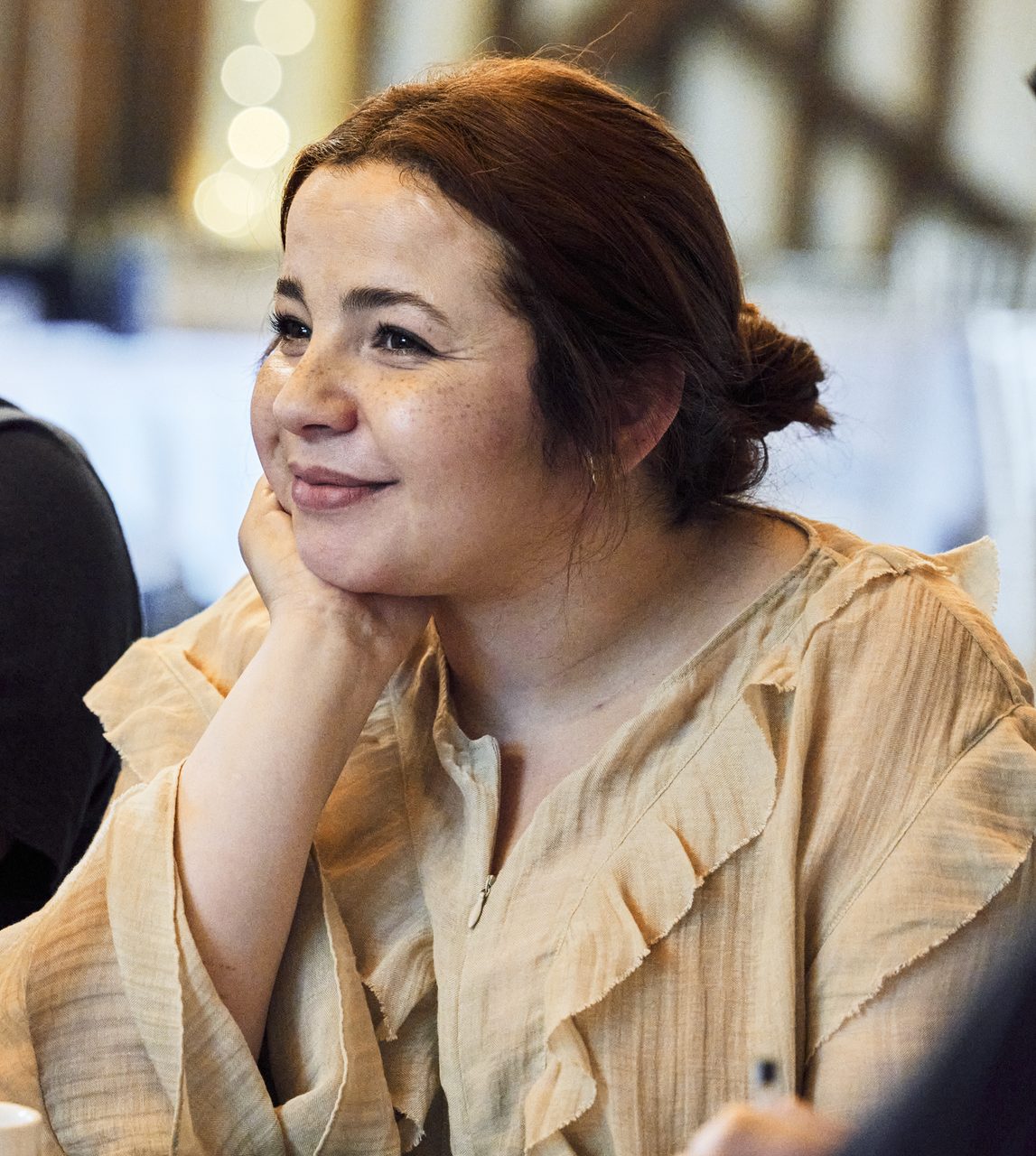
Renasens, which has developed a waterless process for recycling blended textiles, took a different route. Founder Jade Bouledjouidja relied on cold outreach and events such as GoWest, Nordeep and Slush, where she eventually met the company’s first investor. She spoke with more than 60 investors before closing Renasens’ pre-seed, and more than 100 before closing the seed round.
“The investors who seemed most enthusiastic, taking multiple meetings and site visits, sometimes walked away with just an email,” says Jade. “And the ones who moved fast were often the most serious. Our seed lead was actually one of the last investors we spoke to, and came in after we already had term sheets, made a good offer, and moved quickly. Your right investor is out there. You just haven’t met them yet.”
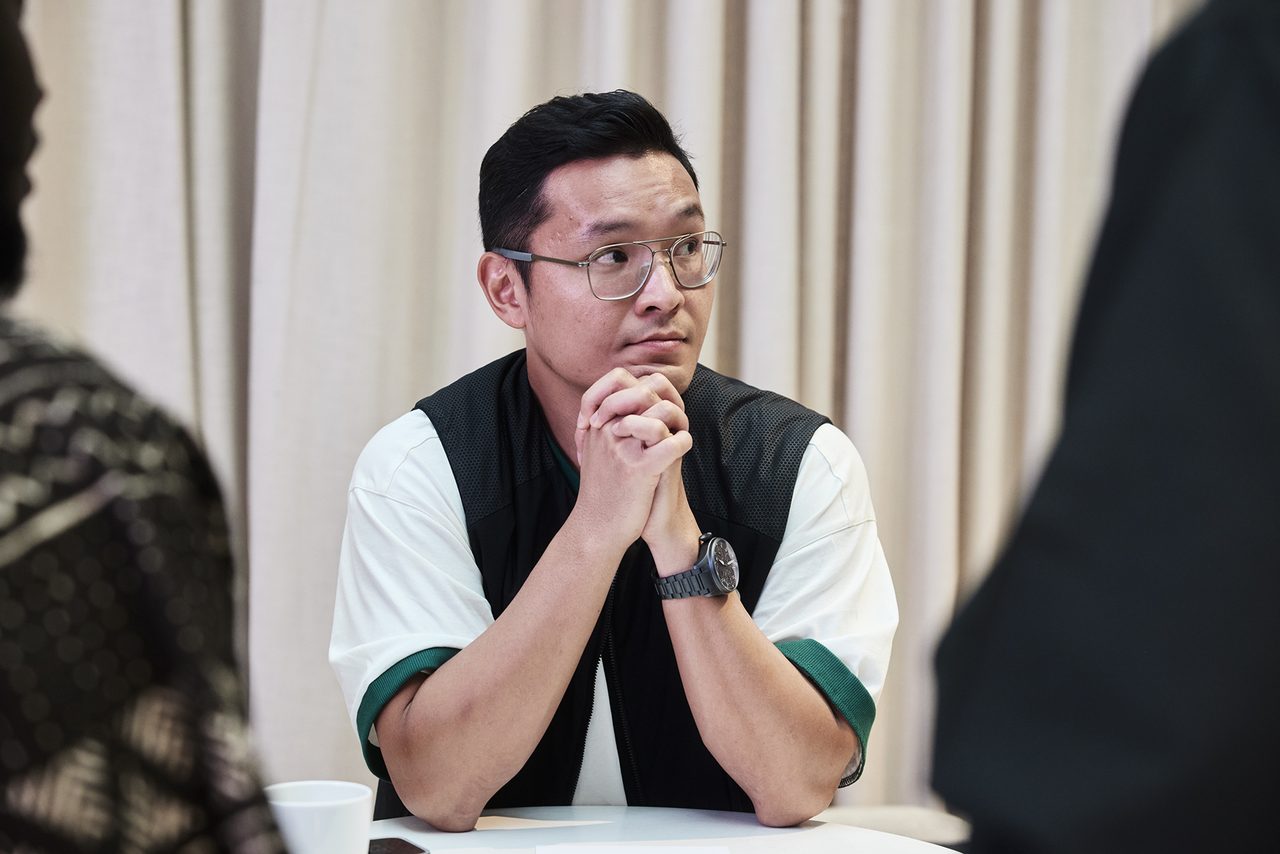
Walden has a similar perspective. For him, persistence is simply part of the process. “From my personal experience, you might need to meet up to 200 investors to get to the first ’yes’”, he says.
Keep refining the story
All three founders describe fundraising as an iterative process. The pitch deck should evolve alongside it.
“Treat your pitch deck as a product. Don’t perfect it on your own. Get an MVP (Minimal Viable Product) out to friends and friendly potential investors. Practice, iterate, pivot, rinse and repeat. Expect to go through dozens of major iteration rounds before it’s truly ready for prime time,” says Walden.
Neeka Mashouf offers similar advice: “Treat your deck as a live document that can be improved throughout the fundraising process.”
Raise for the next milestone
When deciding how much capital to raise, the three founders all started from the same place: what they needed to achieve next.
“The amount was driven by what we needed to reach the next milestone,” says Jade. “We sized the round around that, and this is what made it easier to defend the number in conversations with investors.”
But choosing the right investor mattered as much as securing the investment, and some of the founders turned down offers that looked attractive on paper.
Choosing the right investor mattered as much as securing the investment.
Jade Bouledjouidja, Renasens
“We walked away from a term sheet from a top-tier Silicon Valley firm because we did not think we were vision-aligned with that fund and how they run venture businesses,” says Walden.
Jade faced a similar choice. “I walked away from a term sheet that was technically better on paper: same amount, less dilution. I chose our first investor instead, who asked for slightly more equity, because I felt they could support me more on the journey.”
Building credibility before traction
Before there was commercial traction, what convinced investors to take them seriously? For Jade, credibility came from being able to answer questions about the technology, patents, and business plan, backed by references and early validation.
For Walden, the most powerful proof was physical: showing the innovation made all the difference. “In our industry, so much goes beyond the numbers. I have found it really hard to close a deal before the investors get to see any samples – or in our case, garments and machines. Always try to enter a meeting prepared with your innovations. This makes it a hundred times more real than an idea in a deck.”
At the end of the day, there is no formula for raising capital. But these founders all come back to the same lessons: persistence, preparation and proof. The right investor isn’t always the first one you meet, but the one who believes in both the innovation and the team behind it.
5 lessons on raising capital
- Expect volume. It can take 60, 100 or even 200 investor meetings before you hear your first yes.
- Keep refining your pitch. Treat your deck as a live document. Test it, iterate it and improve it with every conversation.
- Raise for the next milestone. Decide how much to raise based on what you need to achieve next, not on an arbitrary number.
- Show, don’t just tell. A prototype, sample or garment can build confidence in ways a slide deck never will.
- Choose the right investor. The best partner isn’t always the one offering the best terms on paper.
Press contact

Media Relations Responsible
Learn more about the innovations
Rubi Laboratories
unspun
Renasens
This article was part of our GCA newsletter. Want to stay in the loop? Subscribe to our coming editions.