Why the future of cotton might not need a field
A project between the Spanish hydroponic-farming company Magtech and H&M Group’s Circular Innovation Lab is testing a different way to grow cotton: without soil and in a closed loop of water. Grown this way, one of the world’s thirstiest and most chemically demanding crops could need far less water, no fertile land and keep chemicals out of nearby rivers. And AI is what makes it possible.
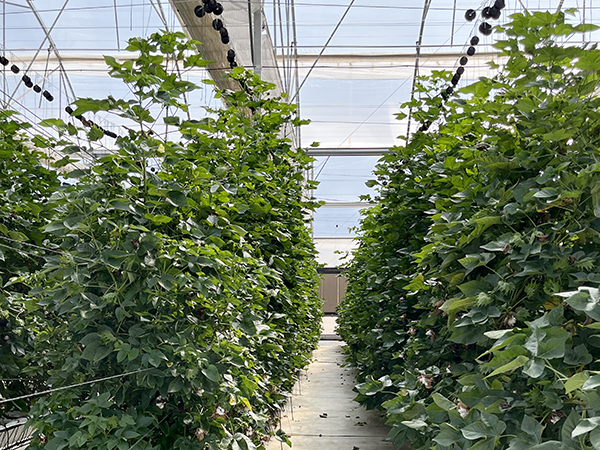
- Spanish company Magtech is exploring how hydroponics and AI can reduce cotton’s reliance on water, pesticides and fertile land.
- The project combines soilless cultivation with AI-driven monitoring to improve efficiency and resource use.
- With the first garments already produced in Spain and a second site underway in India, the initiative is now moving beyond the lab.
Grown conventionally, cotton comes with several challenges. It consumes huge volumes of water, needs heavy doses of nutrients, gets sprayed against pests and takes up arable land that could be used to grow food.
“Hydroponic growing, which raises the crop in water instead of soil, has the potential to solve most of these problems at once. You can basically set this up in a car park, on a rooftop, even in the desert. As long as there’s sun and a reasonable source of water,” says Martin Ekenbark, Circular Innovation Lab Lead at H&M Group.
When grown hydroponically, the cotton plant’s roots sit in circulating water, are fed a controlled nutrient mix and the water is recovered and reused rather than seeping into the ground. Grown under simple net structures, the crop needs no fertile soil at all. Just sun and a water source.
You can basically set this up in a car park, on a rooftop, even in the desert. As long as there’s sun and a reasonable source of water.
Martin Ekenbark, Circular Innovation Lab Lead at H&M Group
But the hydroponics is the easy part. Cotton has been grown this way before, both HKRITA and companies such as Materra have explored versions of soilless or controlled environment cotton as well. So far, those efforts have mostly shown what’s technically possible, rather than how hydroponic cotton becomes a scalable alternative to conventional growing. The reason cotton has stayed an expensive, premium fibre is the hands-on work with scouting plants, judging when each boll is ready, treating pests and picking by hand.
That is exactly what AI is meant to take on, at a scale no person can match.
“One hectare of our system contains approximately 30,600 plants distributed across 52 growing channels, each about 98 metres long. Walking those channels once means covering more than five kilometres. A skilled technician can inspect the crop, but no person can observe every plant continuously or maintain the same frequency and consistency at larger scales,” says David René Rodríguez, Co-founder of Magtech.
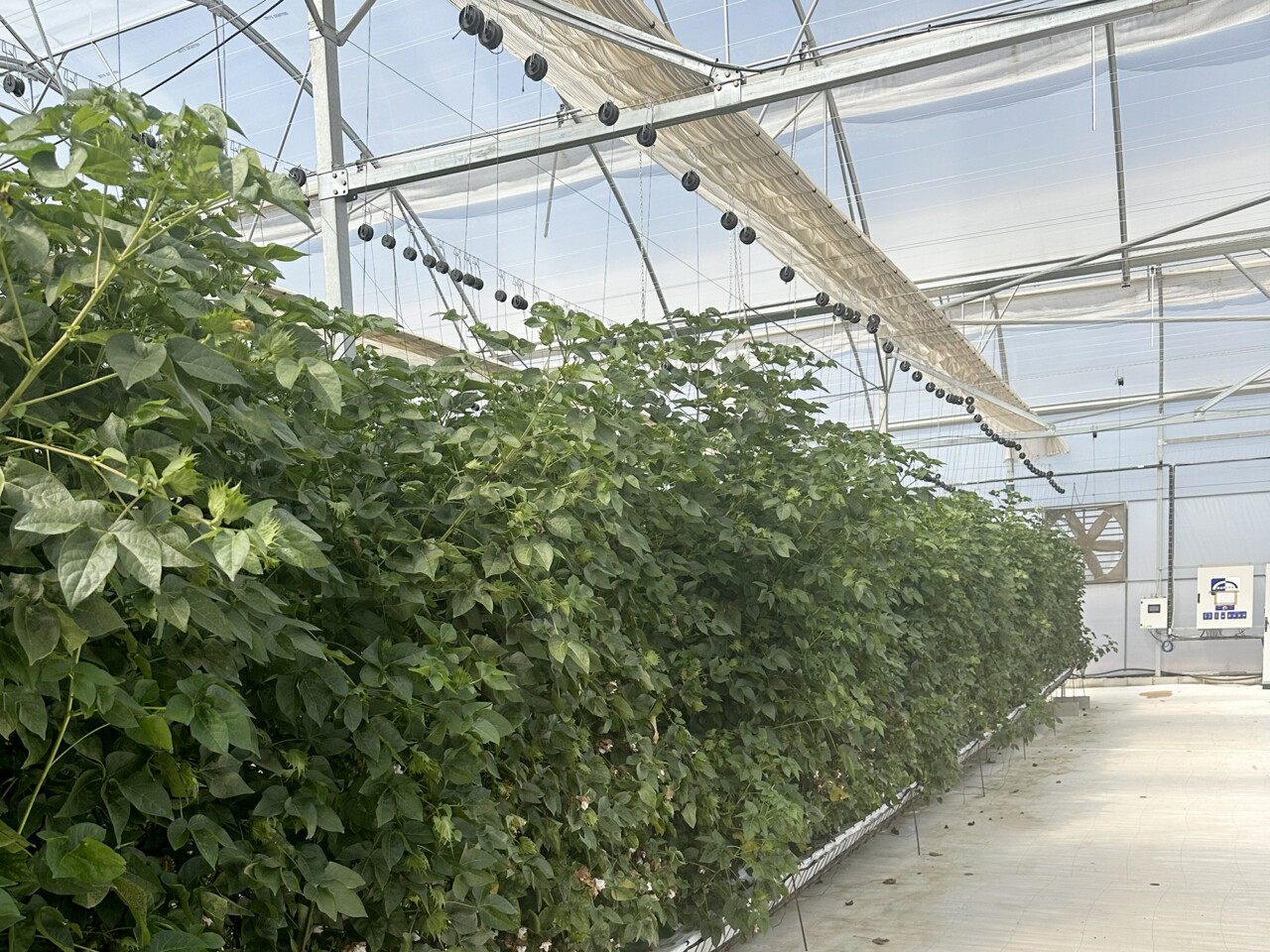
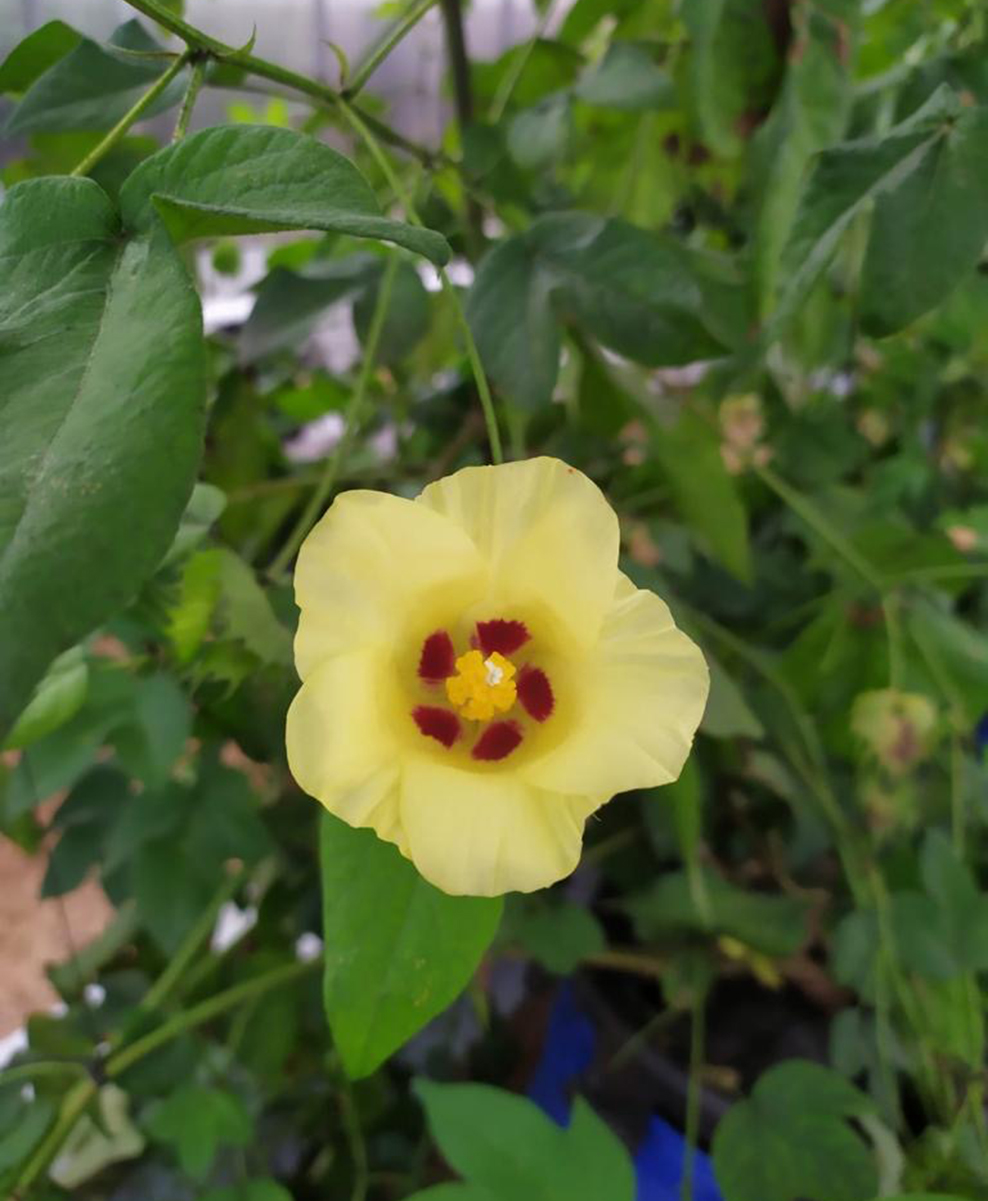
In the first project, cameras have judged ripeness from flower colour and caught infestations early, so treatment reaches a few plants, not the whole field.
That targeting is also where much of the environmental case sits. Spraying only the plants that need it means less pesticide. Keeping the water in a closed loop stops nutrients from washing into nearby rivers, where conventional cotton is a major cause of eutrophication. And because less nutrient is needed in the first place, the emissions from producing it fall too. The full gains still have to be verified by an independent life-cycle assessment, but the direction is clear.
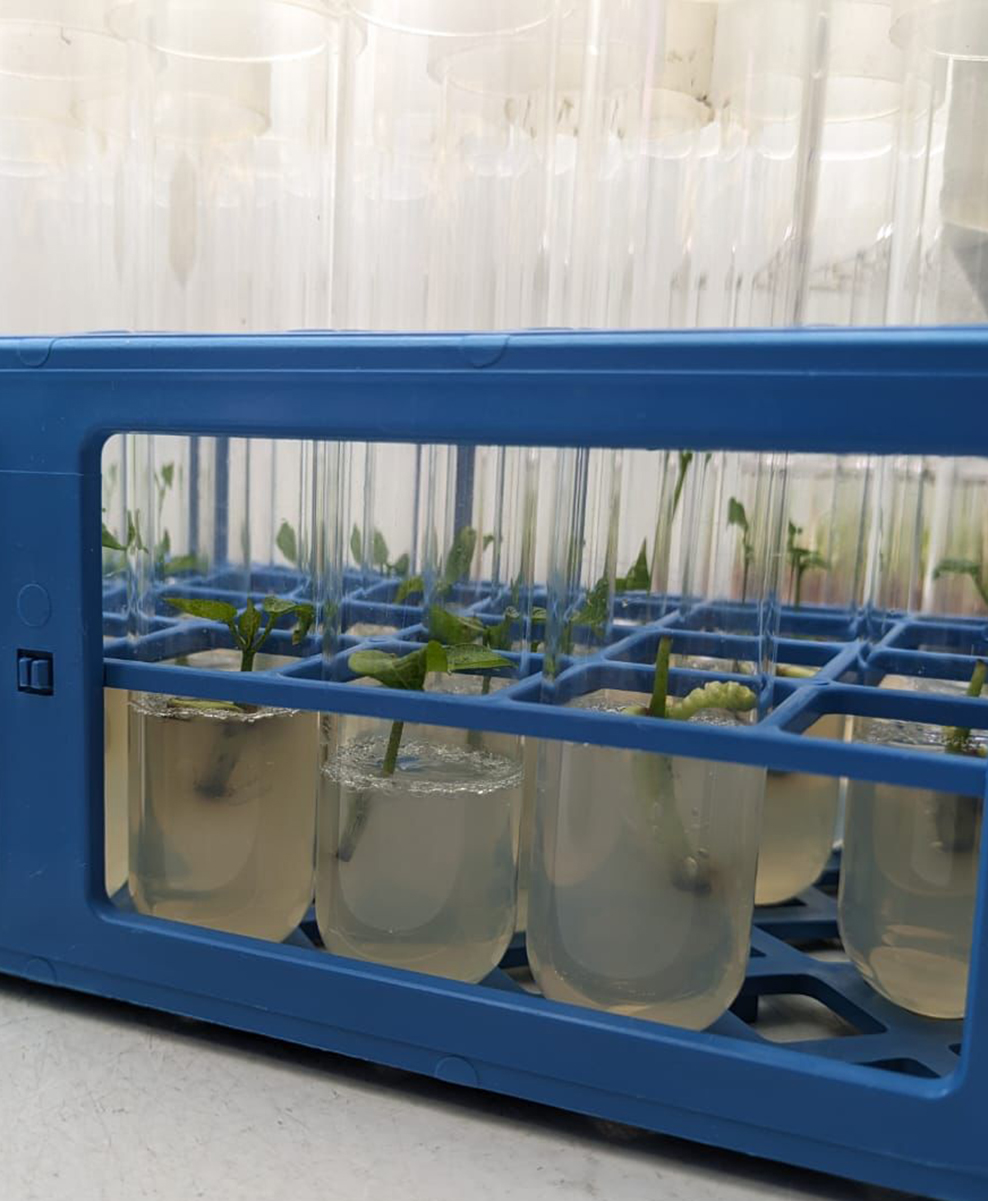
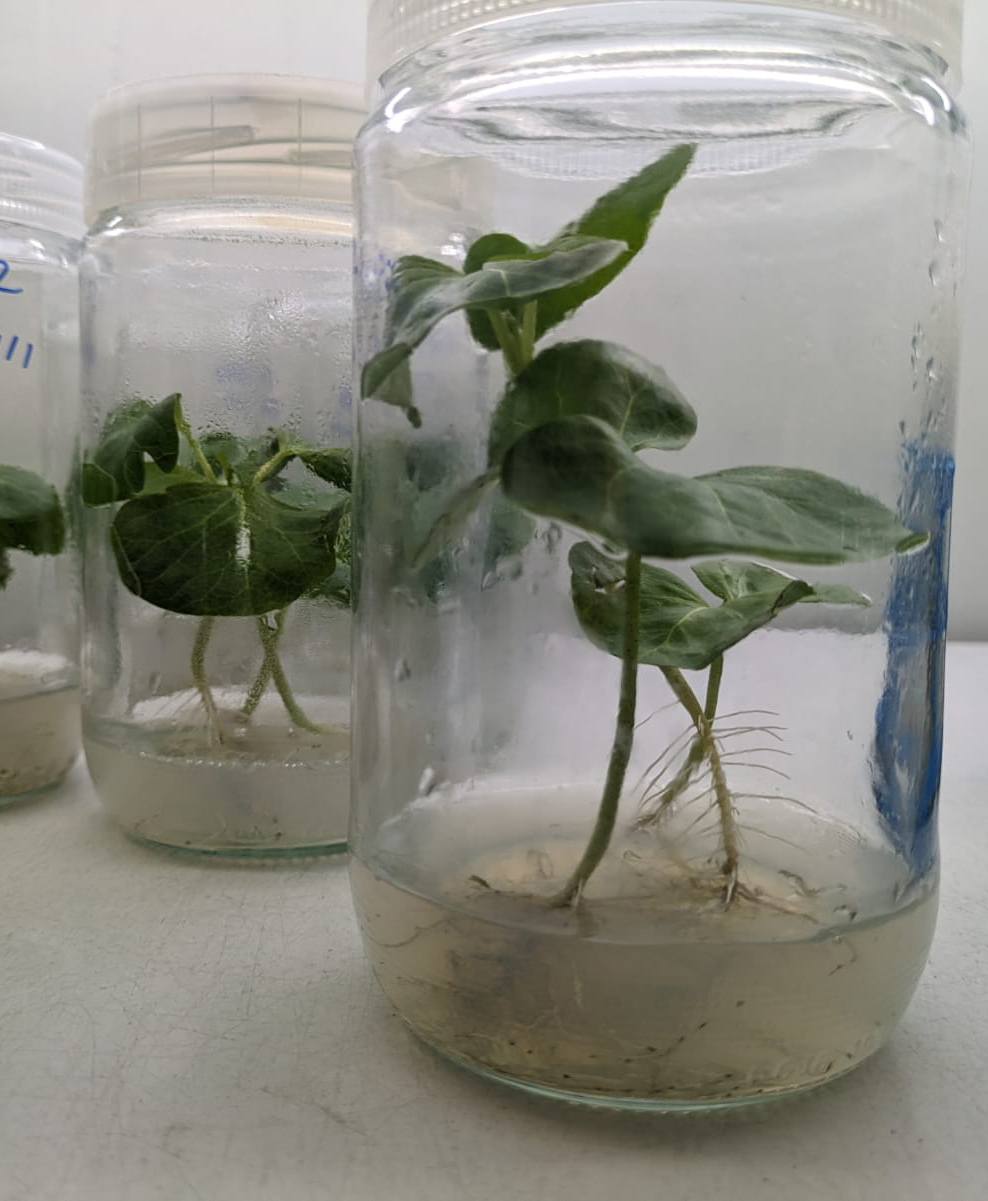
“We’re not claiming zero impact or trying to replace conventional cotton. The goal is to demonstrate, quantify and independently validate a complementary way to grow it. One that works where water is scarce, fertile land is limited, or the textile industry is close by,” says David.
We’re not claiming zero impact or trying to replace conventional cotton. The goal is to demonstrate, quantify and independently validate a complementary way to grow it.
David René Rodríguez, Co-founder of Magtech
This project has left the lab. And entered people’s wardrobes. In Spain, a first five tonne batch has passed quality checks and been turned into garments. Right now, a second hydroponic site is being set up in India.
The two curves of transition
Cotton clothes much of the world and growing it depends on the millions of people who plant and pick it by hand. That’s what makes a shift like this more than a technical one. If AI can monitor the crop, time the harvest and eventually drive the robot that picks it, the question isn’t only whether we can grow cotton differently. It’s about how we make the transition work for people as well as the planet.
We often celebrate the upward curve of innovation: new ideas, new technologies and better ways of doing things. But every transition also has a second curve: the slower process of letting go of systems that no longer serve us.
As Per Olsson, Associate Professor and Deputy Science Director at Stockholm Resilience Centre, describes it, societies need to help new systems emerge but also help old ones phase out with dignity. Both are essential.
Can we reinvent one of the world’s biggest crops without leaving the people who built today’s system behind? If cotton is to be grown differently in the future, the question isn’t only how quickly the technology can scale. It’s also how the people whose livelihoods are tied to today’s system are included in shaping what comes next.
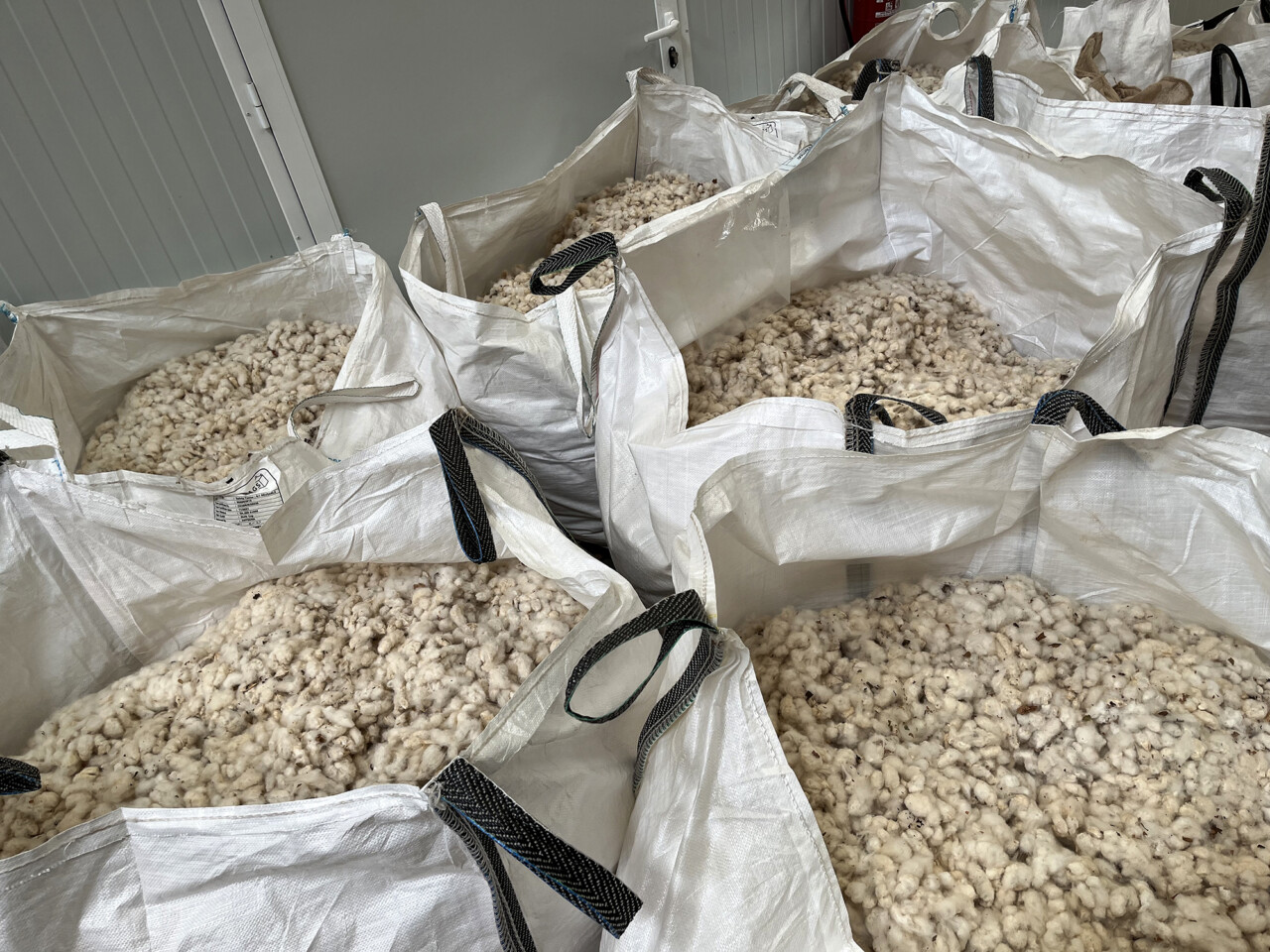
“Cotton supports the livelihoods of millions of farmers and workers, so any transition has to take social outcomes as seriously as environmental and economic ones. A hydroponic system will still need growers, agronomists and technicians – and existing farm workers can take on many of those roles with the right training,” says David.
Recognising this isn’t a reason to slow innovation. It’s a reminder that technological progress and social progress need to move together.
Hydroponic cotton
The growing method
• Roots sit in a closed loop of circulating water, not soil.
• Each plant is fed a precise nutrient mix.
• The plant partly tolerates saltwater and wastewater, so lightly treated water can replace fresh supply.
• No arable land is needed: just sun and water, leaving more farmland available for food crops.
The AI layer
• AI reads plant development to target treatment and cut pesticide use.
• Robotics are being built to automate the harvest.
Press contact

Head of Communications
It Matters by H&M Foundation
This article was part of our newsletter It Matters. Want to stay in the loop? Subscribe to our coming editions.