Omoyemi Akerele: When value leaves Africa, collective change can bring it back
Africa’s fashion industry has no shortage of craft and creativity. What it needs, according to Omoyemi Akerele, founder and executive director of Lagos Fashion Week, is collaboration that goes beyond trading favours. At GCA Summit 2026, she describes how almost 16 years of partnerships led her to build something wider with peers across the continent.
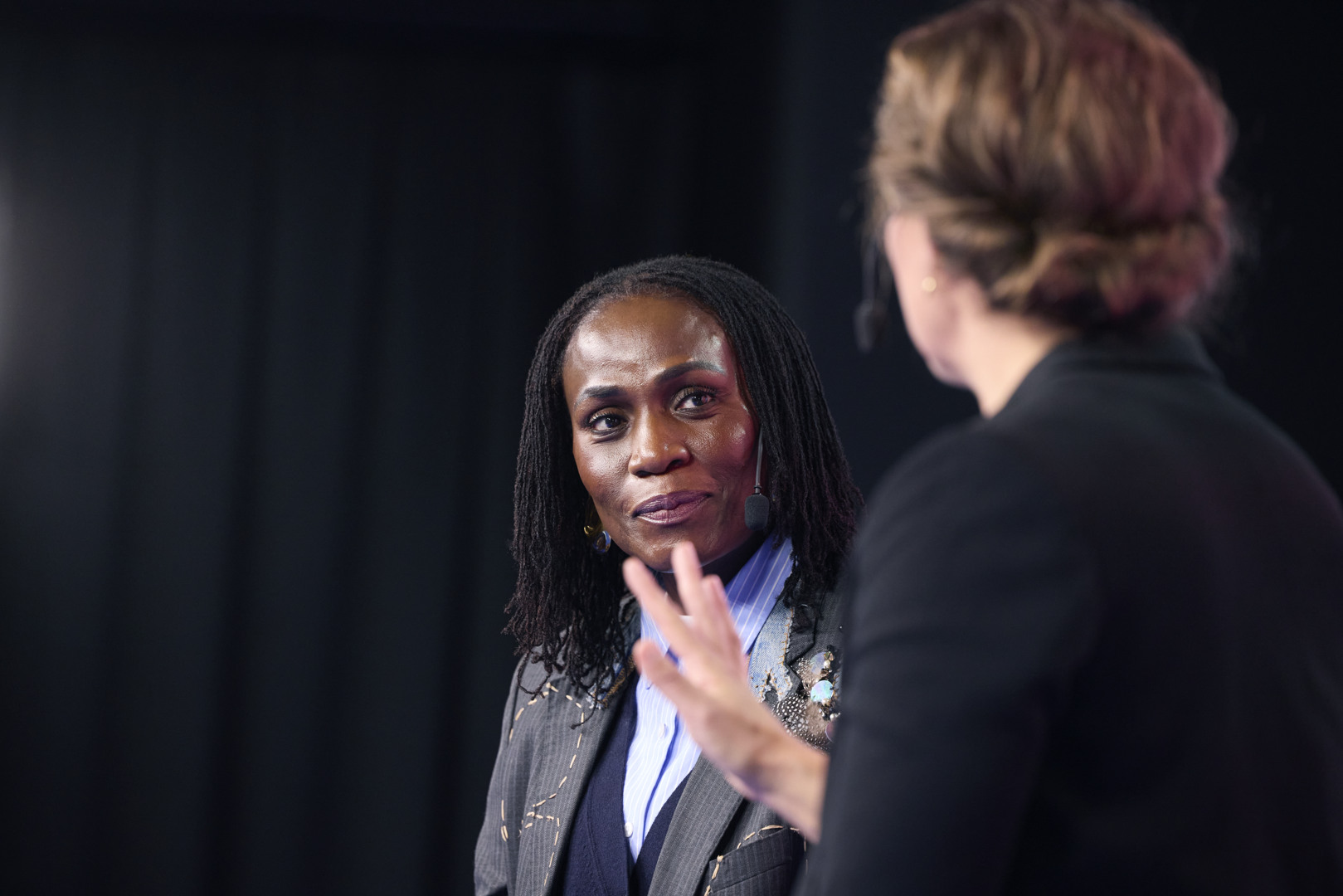
Omoyemi Akerele, founder and executive director of Lagos Fashion Week on stage with Christiane Dolva, H&M Foundation, at the GCA Summit 2026.
- This article is based on Omoyemi Akerele’s keynote speech at the GCA Summit 2026.
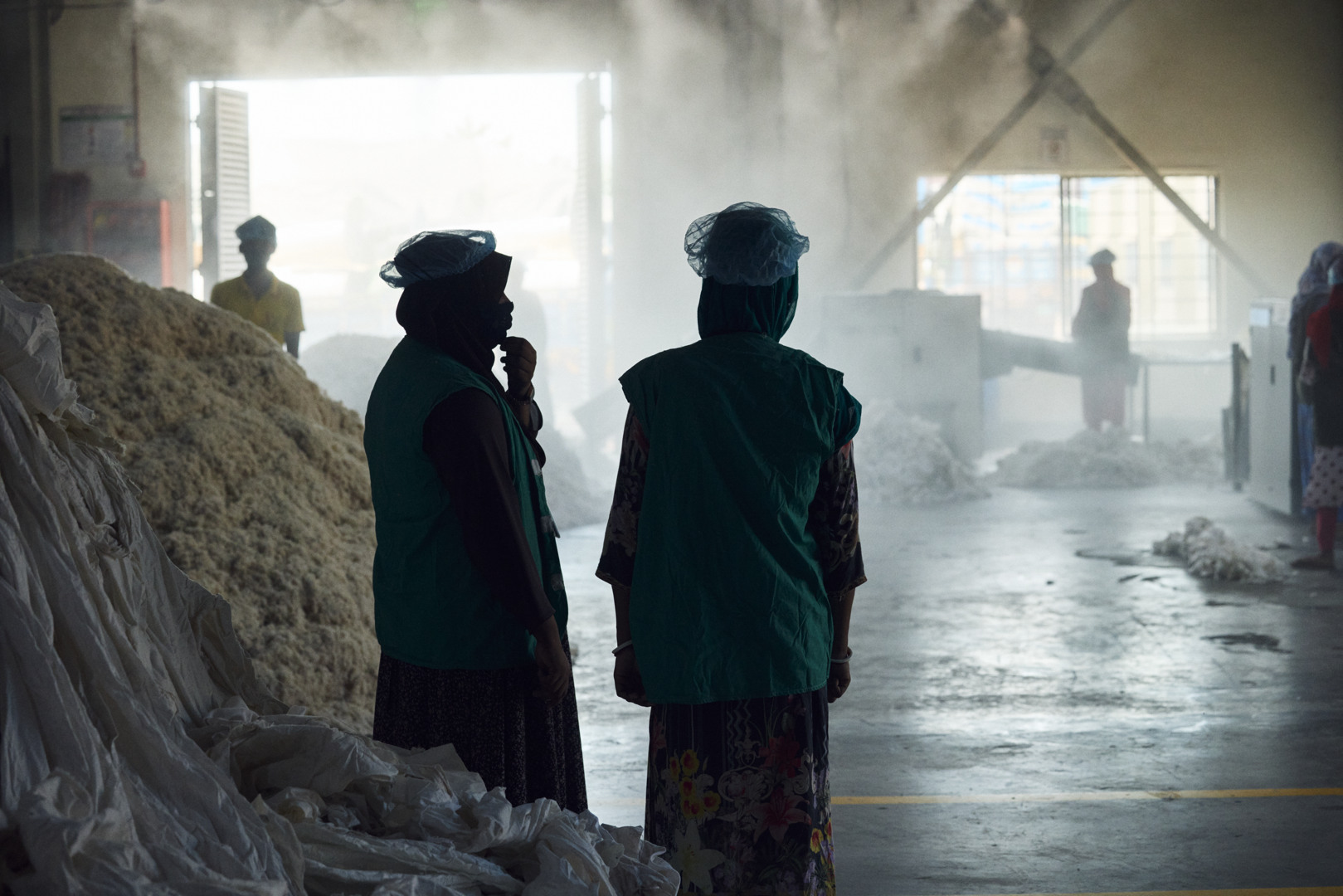
The global fashion industry tends to use Africa in one of two ways: as inspiration for other people’s collections, or as a landfill for discarded textiles. Either way, value leaves. Africa exports roughly $15 billion of raw textiles each year and buys back more than $23 billion in finished clothing and footwear.
This insight is what prompted me to launch Lagos Fashion Week. From the start, we wanted to show what fashion can do for communities and for craft skills passed down through generations. Because what is made by human hands is seen as luxury, and we wanted to show whose hands those are, and make sure the artisans in remote villages, at the bottom of the industry’s value chain, get to share the benefit from the value they create.
Collaboration got us this far
Collaboration has always been how Lagos Fashion Week works. But often, these partnerships have also shown the limitations of the way we collaborate in the industry.
In 2025 we won the Earthshot Prize and were asked what we wanted to do next. Until then, we had worked with others, but always with our own organisations at the centre. Since the problems we want to solve are systemic and built into how the fashion industry treats the continent, we needed to rethink how we collaborated.
A transaction cannot solve a systemic problem
Most collaborations are transactional. They last as long as both sides benefit, and end when the benefit does. To come up with solutions to the African textile industry’s problems, we needed a new form of collaboration, with a shared outcome between partners who will commit even when their own gain is not straightforward. This kind of collaboration asks more of the people in it, and partners have to leave their egos out of the room and commit to a change none of them can deliver alone.
Change comes from not
acting alone
So how did we get started? We brought together peers from across Africa, among them Adama Paris, who runs Dakar Fashion Week, and wrote a shared declaration. It became the African Fashion Coalition, a manifesto and blueprint for a regenerative fashion future. It starts from a question: what is the DNA of African fashion, beyond the creativity the world borrows and the waste it sends back? We ended up with a manifesto of 10 pillars:
- Fashion as cultural heritage and living knowledge
- Circularity as foundation, not trend
- Community-led creation and inclusive prosperity
- Cultural sustainability and intellectual property protection principle
- Waste justice and global accountability
- Local production and economic sovereignty
- Climate-responsive and regenerative innovation
- Market access and platform power
- Infrastructure and systems
- Conscious consumption and behavioural change
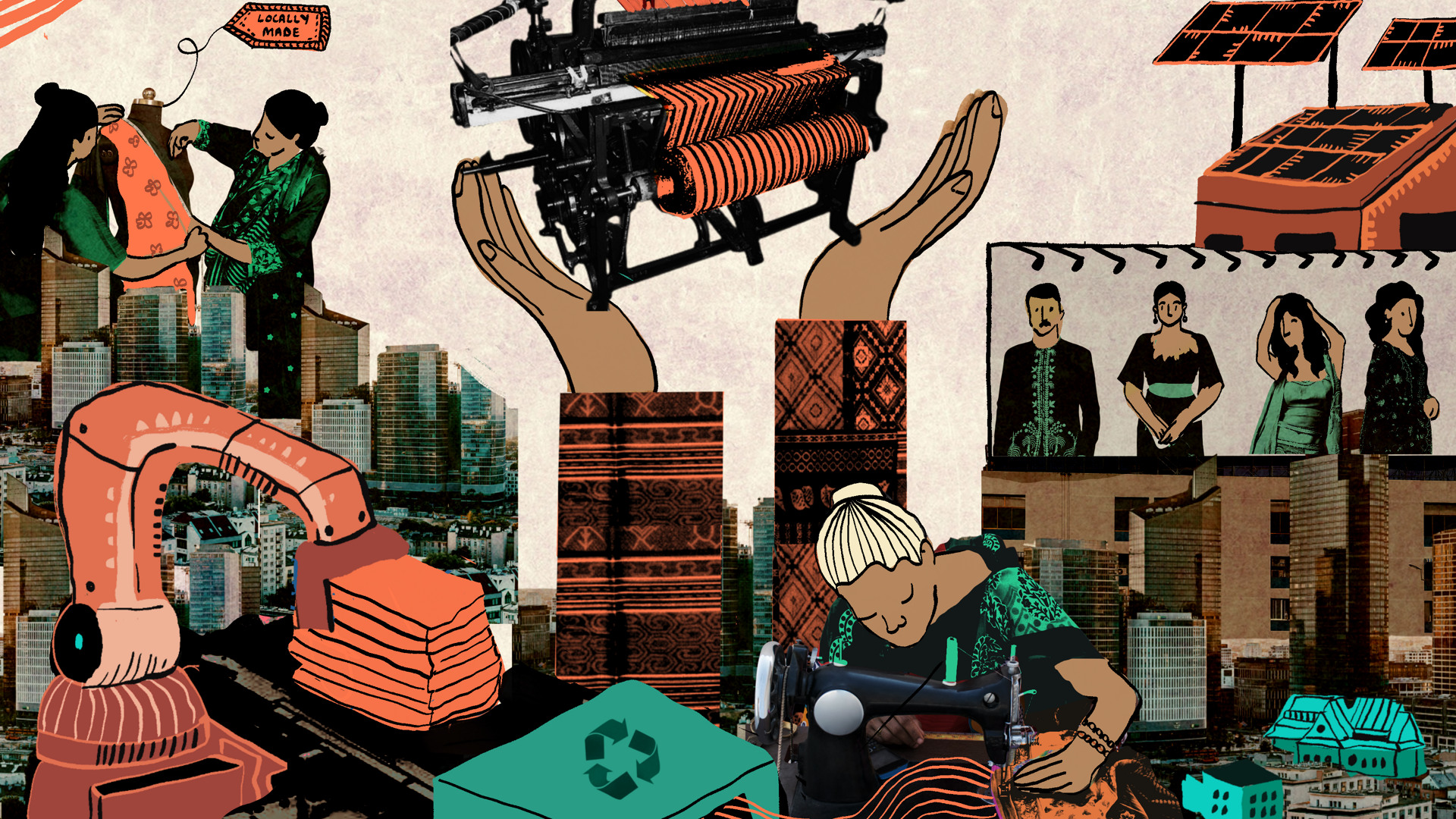
Behind the African Fashion Coalition are farmers, dyers, weavers, artisans, tailors, makers, designers, creatives and catalysts who have run circular systems for generations, long before the world had a word for any of it.
A manifesto is only a start. The work now is to turn each pillar into action. Access to affordable energy is one of the biggest obstacles for creatives across the continent, and we want to find cleaner alternatives to fossil fuels, perhaps for 5,000 people to begin with.
The problems facing African fashion are complex and solving them will take new ways of working together. For me, the first step was to accept that I cannot do it alone.
By Omoyemi Akerele, Founder and Executive Director, Lagos Fashion Week.
The views expressed in this piece are the author’s own. We’re proud to share them on our platform to help spark meaningful industry conversation.
Press contact

Head of Communications
In brief
Omoyemi Akerele is the Founder and Executive Director of Style House Files and Lagos Fashion Week, where she leads strategy, partnerships, and impact-driven programming across Africa’s creative ecosystem.
In 2025, Lagos Fashion Week received The Earthshot Prize in the “Build a Waste-Free World” category, recognizing its contribution to advancing circular fashion, sustainable innovation, and creative impact across Africa.