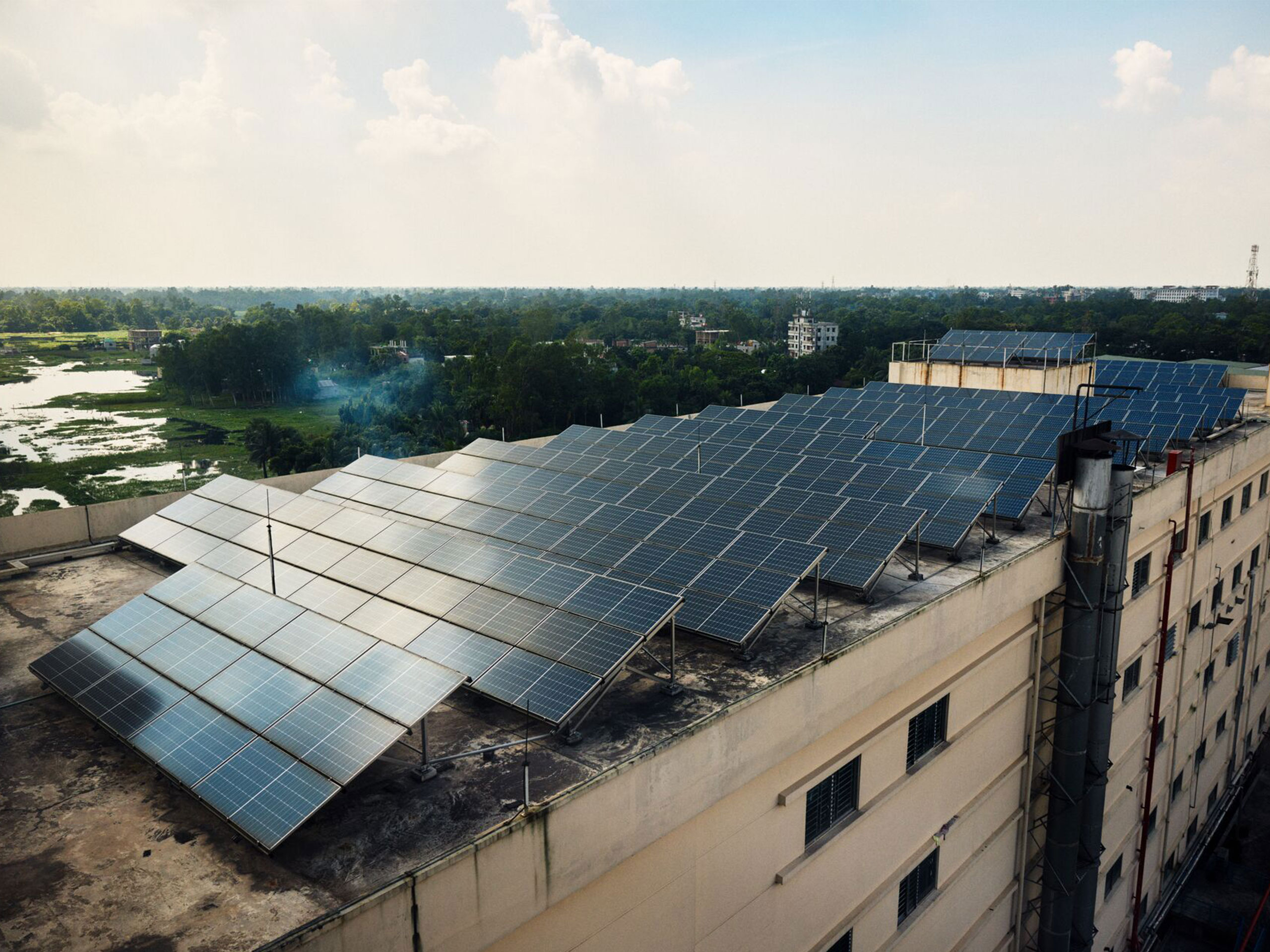
Unique blueprint breaks through fashion’s decarbonisation barriers
A hands-on blueprint has been launched to remove one of the biggest barriers to decarbonising the fashion industry. Developed by Fashion for Good under the Future Forward Factory initiative, supported by the H&M Foundation as main funder, the open-source guide helps manufacturers achieve near net-zero operations, the blueprint offers six practical pathways with the possibility of reducing emissions by up to 93%, proving that near net-zero production is both possible and financially viable.
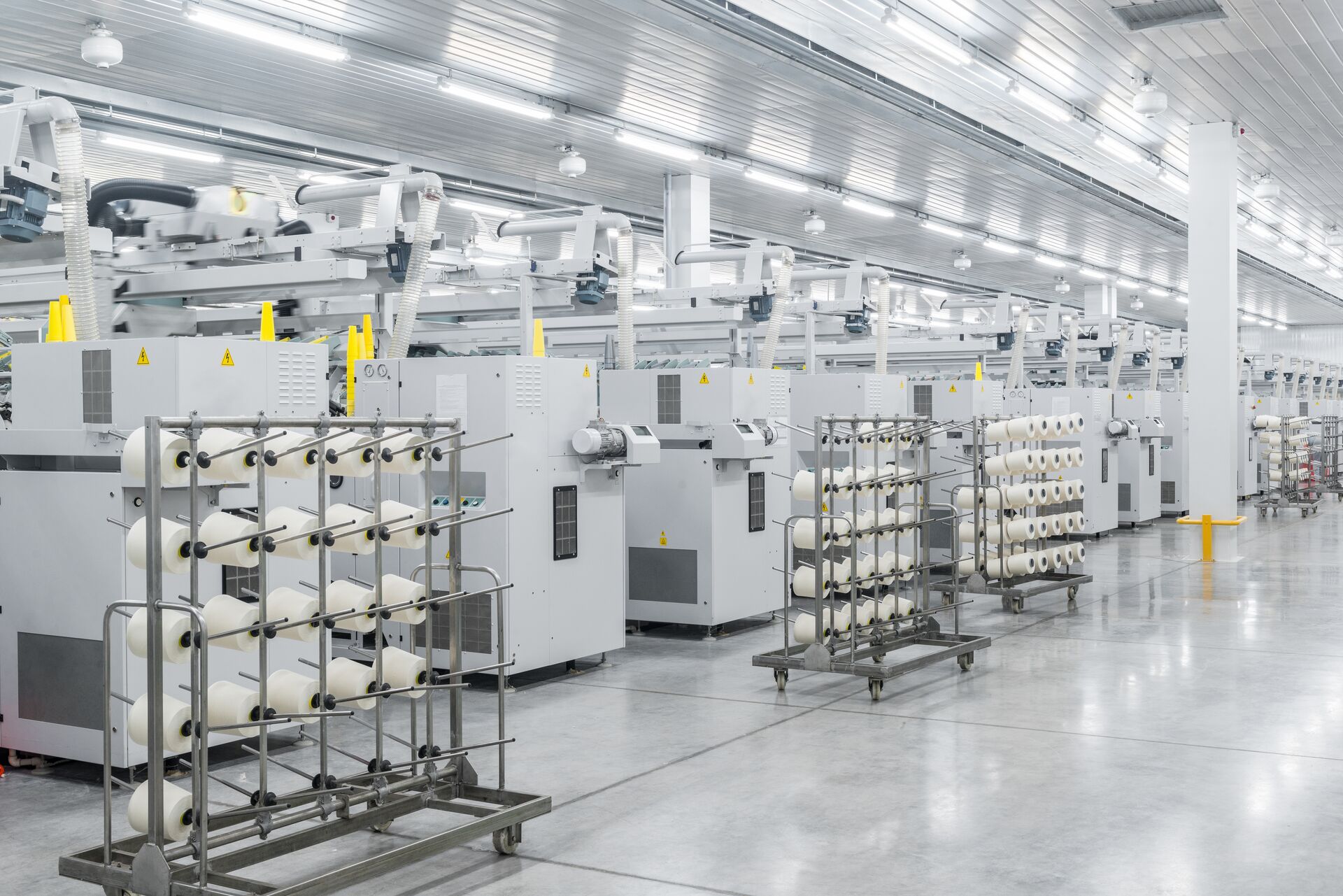
Image for illustrative purposes only.
Textile dyeing, treatment and finishing, known as Tier 2 of the fashion supply chain, remain one of the industry’s largest and most complex sources of greenhouse gas emissions. High upgrade costs, fragmented standards and a lack of financial clarity have long hindered progress. The Future Forward Factory blueprint directly tackles these barriers, combining energy interventions, process innovations and best-in-class technologies into a holistic, implementable guide.
Designed as a practical tool for Tier 2 textile manufacturers in India producing cotton knits and wovens, the blueprint demonstrates how factories can transition towards near net-zero operations through six tailored pathways. Each pathway includes financial analysis (outlining payback periods, internal rates of return and investment needs) turning ambition into actionable data.
By making this blueprint freely accessible, the initiative provides manufacturers and brands – and the wider ecosystem that supports them – with clear, data-backed pathways to act. In cases where all processes and infrastructure upgrades are fully implemented, factories can achieve up to:
- 93% reduction in carbon emissions
- 33% reduction in water usage, and
- 41% reduction in electricity consumption.
Beyond carbon reductions, the blueprint recognises that climate progress must also be socially inclusive. It incorporates a Social and Just Transition Framework, ensuring that the shift towards near net-zero manufacturing creates equitable outcomes for workers, suppliers, and communities. This framework outlines how to integrate decent work, skills development, and social dialogue throughout the decarbonisation process, making the environmental transformation one that benefits people as well as the planet.
Speaking about the importance of demonstration projects, Christiane Dolva, Head of Innovation, Research and Demonstration at the H&M Foundation, said:
For the industry to transition at speed, we need real examples that show what near net-zero looks like in practice, not just theory. That’s why demonstration projects like this are so vital. Philanthropic funding can take on the early risk, validate solutions in live production, and share the learnings openly so others can follow. I believe it’s how we move from ambition to transformation.
A scalable vision for the factories of the future
Over the course of the Future Forward Factories project, seven regional blueprints will be released to help manufacturers in production hubs adopt near net-zero production models at scale. Together, they aim to redefine how textile manufacturing can operate within planetary boundaries while advancing a just and inclusive transition.
Learn more
The blueprint and full details are available through Fashion for Good’s website. A webinar introducing the blueprint will be hosted on Fashion For Good’s LinkedIn on 8 December 2025.
About Fashion for good
Fashion for Good unites the entire fashion ecosystem, from brands, retailers, suppliers, innovators, and funders to collaborate and drive change towards a circular and regenerative industry. At the core, Fashion for Good enables disruptive innovators on their journey to scale, providing hands-on support, connection to capital, and access to a robust ecosystem of experts. This work brings the most powerful innovations to market faster to create decisive system change. Through its coalition of partners, Fashion for Good designs and executes catalytic interventions and new ways of value creation that drive towards the right side of history as the new economy emerges.
Press contact

Head of Communications
In brief
The project is backed by Laudes Foundation, Apparel Impact Institute and IDH among others, with Arvind Mills serving as the anchor partner supporting the blueprint’s development and validation in India. The initiative directly supports the H&M Foundation’s mission to help the textile industry halve its greenhouse gas emissions every decade until 2050, while promoting a just transition for both people and the planet.