25 years that changed fashion – and how sustainability rewrote the rules
From the Y2K bug and low-rise jeans to large language models and TikTok tutorials. As 2025 ends, we’re not just closing the books on a year, but on the first quarter of the 2000s. To mark the occasion, we revisit defining moments from the past 25 years that have that have paved the way for a much more sustainable industry.

The 2000s began in an unusual way.
Around the world, millions of people feared that computer systems would fail, power grids would go dark, and planes would fall from the sky. While the Y2K bug didn’t cause technology to self-destruct or usher in a new world order, the turn of the millennium did serve as the start of a global vibe shift.
In the 90s, the internet was still a novelty and optimism remained high from the fall of the Iron Curtain. In fashion – like almost all other industries at the time – emissions, waste and working conditions weren’t at the top of the agenda.
When looking back at these past 25 years, one thing is crystal clear: Sustainability is probably the single biggest shift to occur – and reshape – the textile industry. Therefore, we list 15 defining moments responsible for turning sustainability from an exploratory topic into a strategic necessity.
The 2000s: Fashion finds out how it’s made
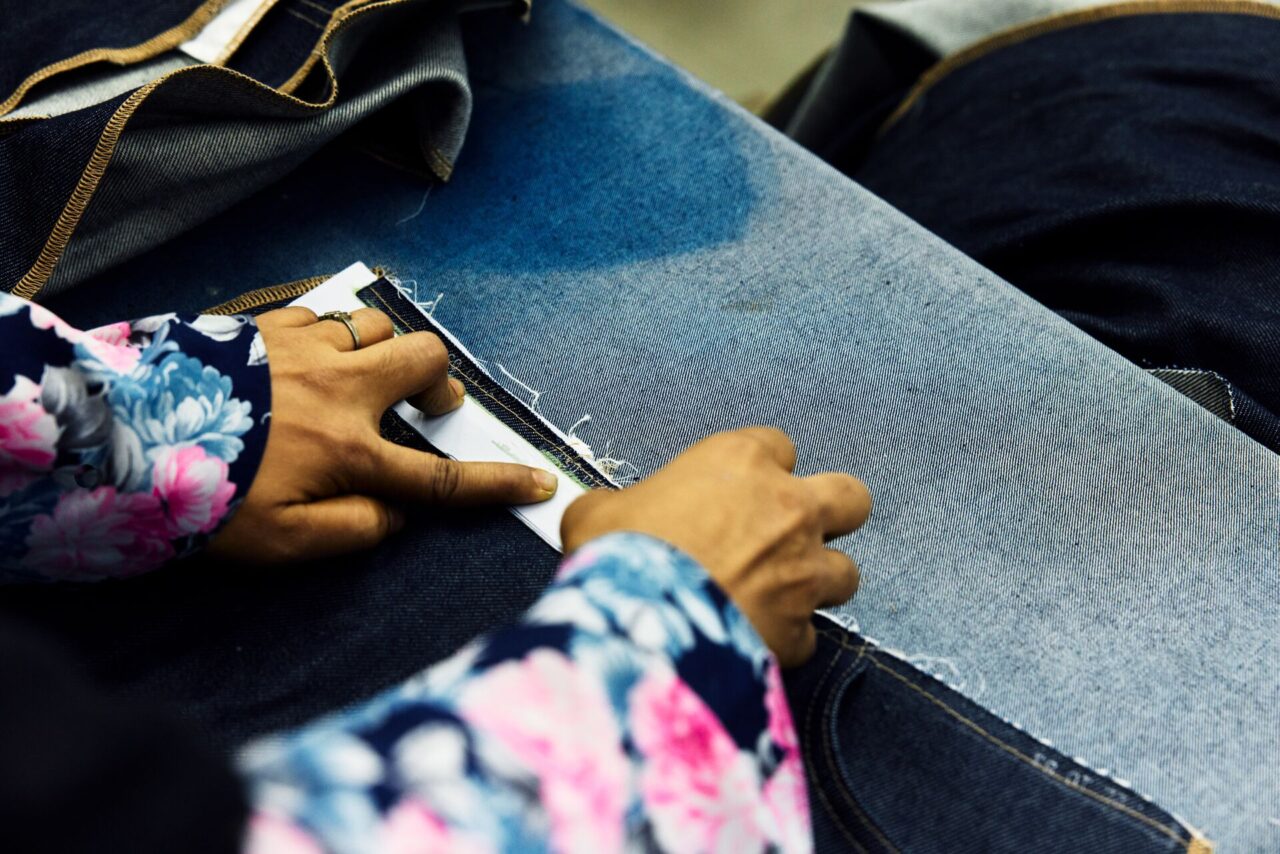
The textile industry’s first moves towards more sustainable practices were sparked by scandal. In the 90s, reports of sweatshops and child labour forced brands to act and open the doors to production facilities. As a side-effect, other industry impacts were spotlighted as well. Global campaigns made topics like animal cruelty, pollution and toxic chemicals top of mind, and led to chemical management systems and programmes to take root.
- A new standard for chemical safety
In 2000, the bluesign® system introduced textile mills and dyehouses to a clear system for evaluating every chemical they used, which hadn’t been standardised in the industry before. - Lifted trade barriers make supply chains ultra-efficient
China’s entry into the World Trade Organisation in 2001 triggered a massive acceleration of textile production. Within a few years of joining the WTO, China was producing over 30 percent of the world’s apparel, at a scale and price that laid the foundation for an even faster fashion cycle. - Labour monitoring enters the factory floor
In 2003, the UN’s International Labour Organization launched Better Factories Cambodia, creating one of the first programmes to regularly inspect garment factories. - The footprint of fibres comes into focus
In the mid-2000s, the Better Cotton Initiative took shape. Rather than relying on the limited availability of organic, BCI focuses on farm-level shifts, from reducing water use to safer pesticide management. - Water use and chemical pollution make it into factory audits
By the late 2000s, concerns over polluted waterways and hazardous chemical use in dyeing and finishing mills led to pilots showcasing that factories can measure – and meaningfully reduce – their water, chemical and energy use. As a result, environmental checks started appearing in factory audits.
The 2010s: Fashion starts owning its impact
By the 2010s, companies began incorporating environmental and social goals into their business plans. Although sustainability had become a boardroom topic, production and consumption continued to rise, exposing a gap between companies’ ambitions and their actual impact. When Rana Plaza in Bangladesh collapsed in 2013, it marked a turning point that accelerated the demand for safer factories, greater transparency and shared responsibility across the supply chain.
- Circularity gains traction
In 2010, the Ellen MacArthur Foundation was launched. Its purpose is to support the shift from a linear to a circular economic model, and its early work reframed resource use, waste and end-of-life practices. During the 2010s, circularity became a core part of how brands talk about growth, risk and responsibility. - Human rights become corporate responsibility
In 2011, the UN formally adopts the Guiding Principles on Business and Human Rights, establishing a global expectation that companies had to identify, prevent and address human rights risks across their operations and supply chains. They shaped how brands approach due diligence, embedding human rights into policy, governance and supplier engagement. - A catastrophic factory collapse exposes systemic failures
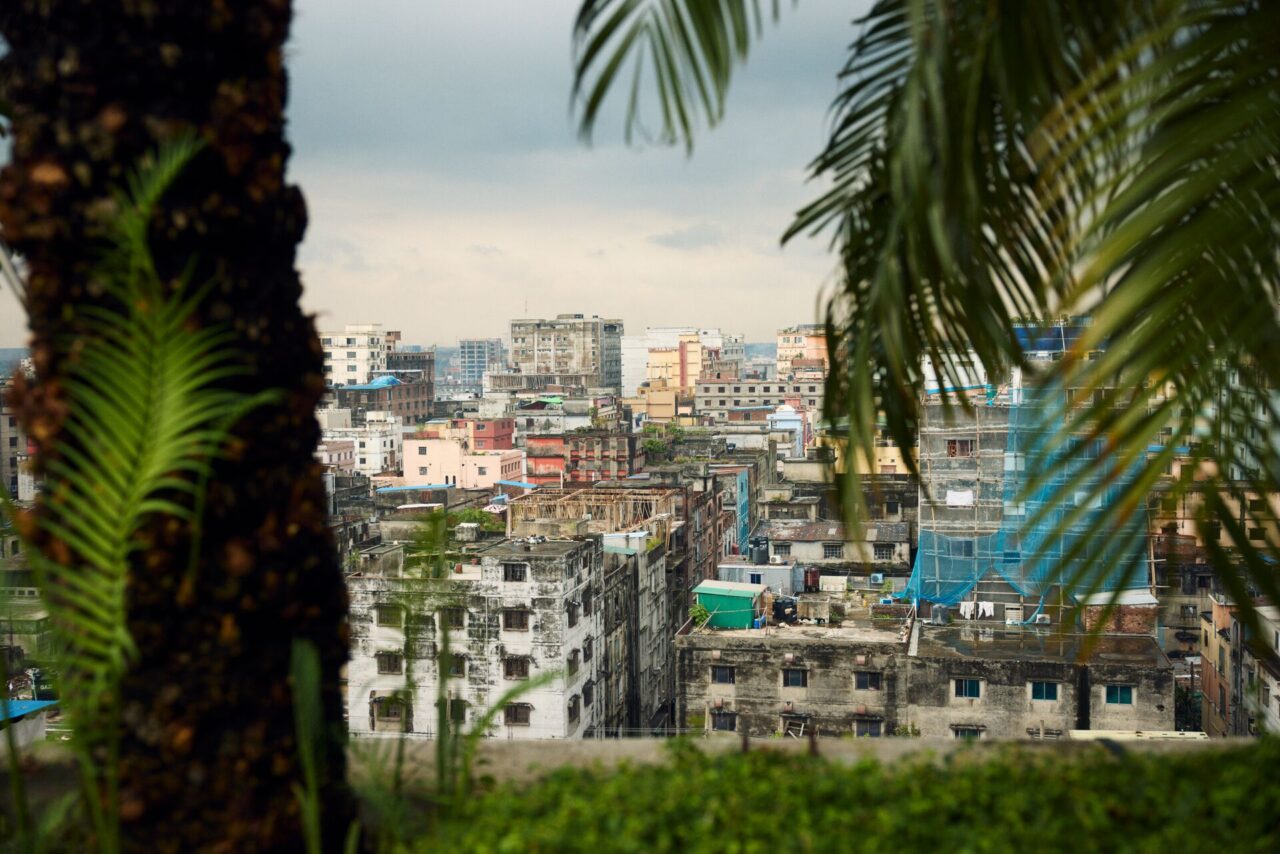
In 2013, the Rana Plaza building collapsed in Bangladesh, and more than 1,100 garment workers lost their lives and thousands more were injured – a catastrophe that highlights how limited visibility many brands have over their production sites. In response, the Bangladesh Accord is created as a legally binding safety agreement. - The Paris Agreement forces fashion to count its carbon
The 2015 Paris Agreement set a clear expectation for emission cuts, pushing the textile industry to quantify its climate impact across design, sourcing and manufacturing. Brands began setting science-based targets, disclosing supply chain emissions and investing in lower-impact materials and energy sources to stay aligned with the 1.5°C pathway. - A blueprint for a new textile economy
In 2017, the Ellen MacArthur Foundation publishes A New Textiles Economy, a report that sets out a clear blueprint for how fashion could keep materials in use and design waste out. The report quickly became a reference point for brands, embedding design-for-circularity into product development and long-term sustainability strategies across the industry.
The 2020s: A rocky start to the decade of action
By the early 2020s, sustainability goals and targets were tested against global shocks. The pandemic, supply chain disruptions and growing geopolitical tensions exposed how fragile fashion’s global production model is, forcing companies to rethink core parts of their business. At the same time, new regulation started turning voluntary commitments into legal obligations, and innovation shifted from new materials to new systems for how clothes are made, used and recycled.
- Covid-19 and the Suez Canal traffic jam
In 2020, Covid-19 brought the world to a standstill. Closed shops, cancelled orders and disrupted transport routes left brands without stock, factories without work and millions of people without income. In the midst of it, a traffic jam in the Suez Canal brought much of the trade between Asia and Europe to a stop – showcasing that a single ship was able to halt a global supply chain. - EPR reshapes what responsibility means for fashion
The EU’s Green Deal introduces a harmonised Extended Producer Responsibility system for textiles, making brands financially responsible for the collection, sorting and recycling of the products they put on the market. - Ultra-fast fashion rewrites the pace of production
The 2020s see a new breed of ultra-fast fashion emerge, driven by AI-supported design tools and the speed of social media algorithms. While the model is often described as made-to-order and potentially less wasteful, the reality is that items are produced at high speed, with little consideration for durability, worker conditions or the sheer volume of goods entering the market. - Circularity’s big push
While the decade has seen the rise of ultra-fast fashion, it has also given circularity its biggest push to date. Resale platforms like Sellpy, Vestiaire, Grailed and Vinted have moved from niche to mainstream, and textile-to-textile recyclers such as Ambercycle, Syre and Circulose have raised the capital needed to scale beyond pilot stage – proving that the economic model for reuse and low-carbon fibres is real. - A just transition
As the 2020s progress, the social dimensions of sustainability move higher on the industry’s agenda. Living-wage and collective-bargaining pilots under ACT, Fair Wear and the Asia Floor Wage Alliance test practical ways of improving pay and worker representation.

Present-2050: What happens now?
As we cross the halfway mark to 2050, the fashion industry enters its next quarter century with renewed urgency. After these past 25 years, it is clear that business-as-usual is no longer an option.
Looking ahead to 2050, the next 25 years will be defined not by a lack of solutions, but by our ability to scale the ones already in front of us. What matters now is coordinated ambition, turning pilots into practice, demonstrations into defaults, and intentions into measurable progress. The opportunity is real, and so is the momentum. It’s up to all of us to ensure that the next 25 years are marked by bold implementation, not incremental improvement.
Press contact

Head of Communications
It Matters by the H&M Foundation
This article was part of our newsletter It Matters. Want to stay in the loop? Subscribe to our coming editions.