Every founder reaches the point where they can’t do it all themselves. Luciano Bueno of GALY and Shelly Xu of SXD have both been there. We asked the two GCA winners how they made their first hires, what changed as their teams grew and what they wish they’d known earlier.
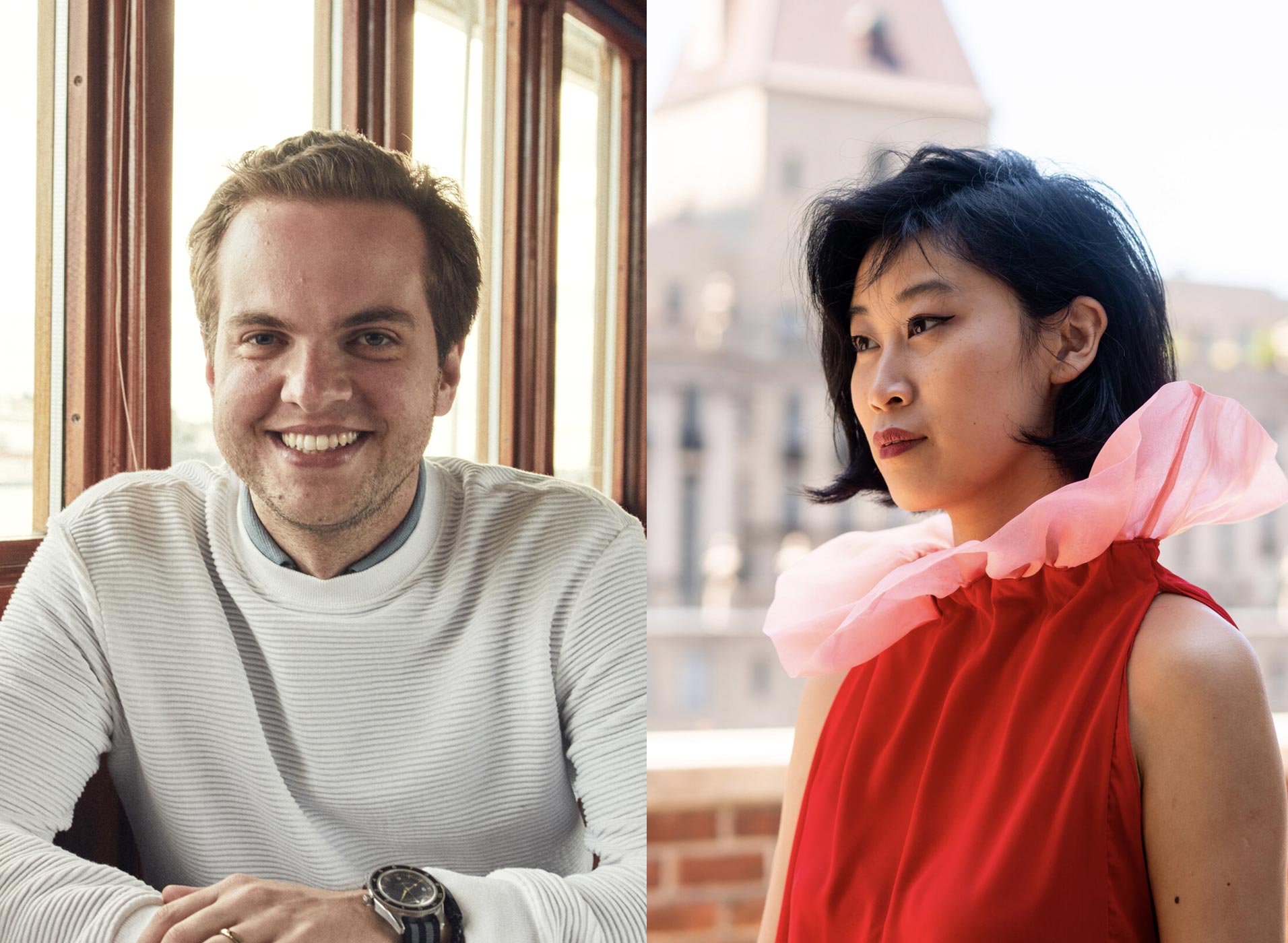
Luciano Bueno of Galy and Shelly Xu of SXD.
Your first hires should solve real bottlenecks, not simply add headcount.
Mission, mindset and versatility matter as much as experience in an early-stage team.
Get the first few hires right and they can transform what your company is capable of.
Starting a company means running through all the feelings and fears in the world. Securing the first investment is one of the first and biggest tests every founder faces.
But raising money is only the beginning.
Eventually, every founder has to hand over parts of what they’ve built to people who weren’t there at the start. Biotech startup GALY and zero-waste design technology company SXD have already made that leap.
GALY: bring the crazy ones
Luciano Bueno made his first hire before GALY even existed. Leticia, one of his mentees, was about to graduate in biochemistry when she offered to help.
“I was upfront that there was no company yet and no official role to offer. She joined anyway, and seven years later she has worked across pretty much every part of GALY,” he says.
For him, that’s what a first hire should be: someone willing to join when nobody else is, and ready to take on whatever the business needs. It’s also why he has a rule of thumb: always do the job yourself before hiring someone to do it.
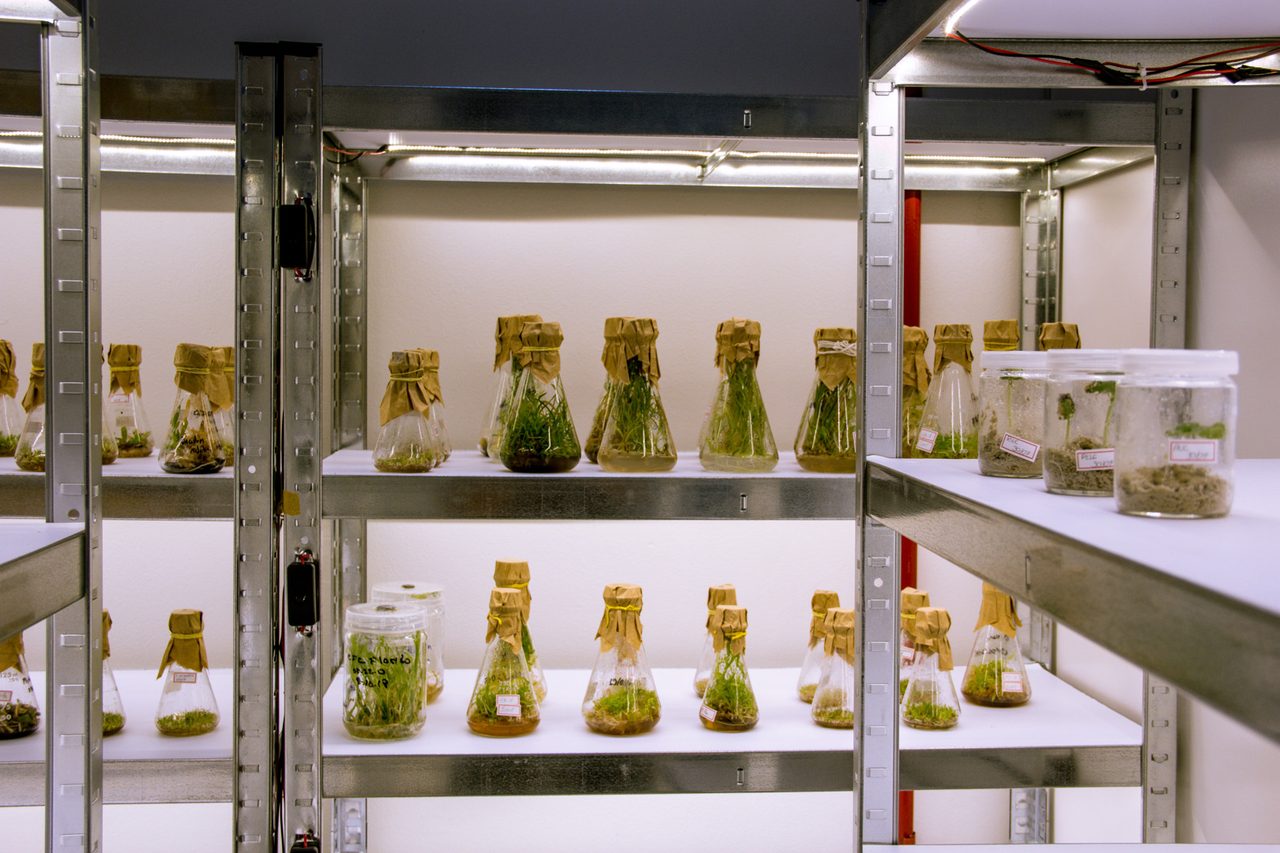
Image from the Galy Lab.
”You can’t hire someone if you don’t know what to expect from them or what they’ll be up against. Whenever I felt I’d become the bottleneck, because I had too much on my plate or had reached the limit of my expertise, that was the moment to bring someone in.”
Whenever I felt I’d become the bottleneck, because I had too much on my plate or had reached the limit of my expertise, that was the moment to bring someone in.
Luciano Bueno
And when he hires, he knows what he’s looking for.
”Bring the crazy ones. People who are comfortable pitching to VCs and cleaning the floor on the same day. You won’t build a strong culture and real accountability without them”, he says, emphasising contribution over titles: “You can be VP of an area with literally no one under you, so who cares? What matters is that people are motivated by making a difference and working hard. Everything else follows.”
SXD: be ready for the next big break
Shelly Xu’s first hire was an operations lead, freeing time for the founding team to focus on developing the design and technology. For SXD, the decision to grow the team came after it landed its first big project in the music industry but had to postpone, since the company lacked the capacity to deliver to the standard it would have liked.
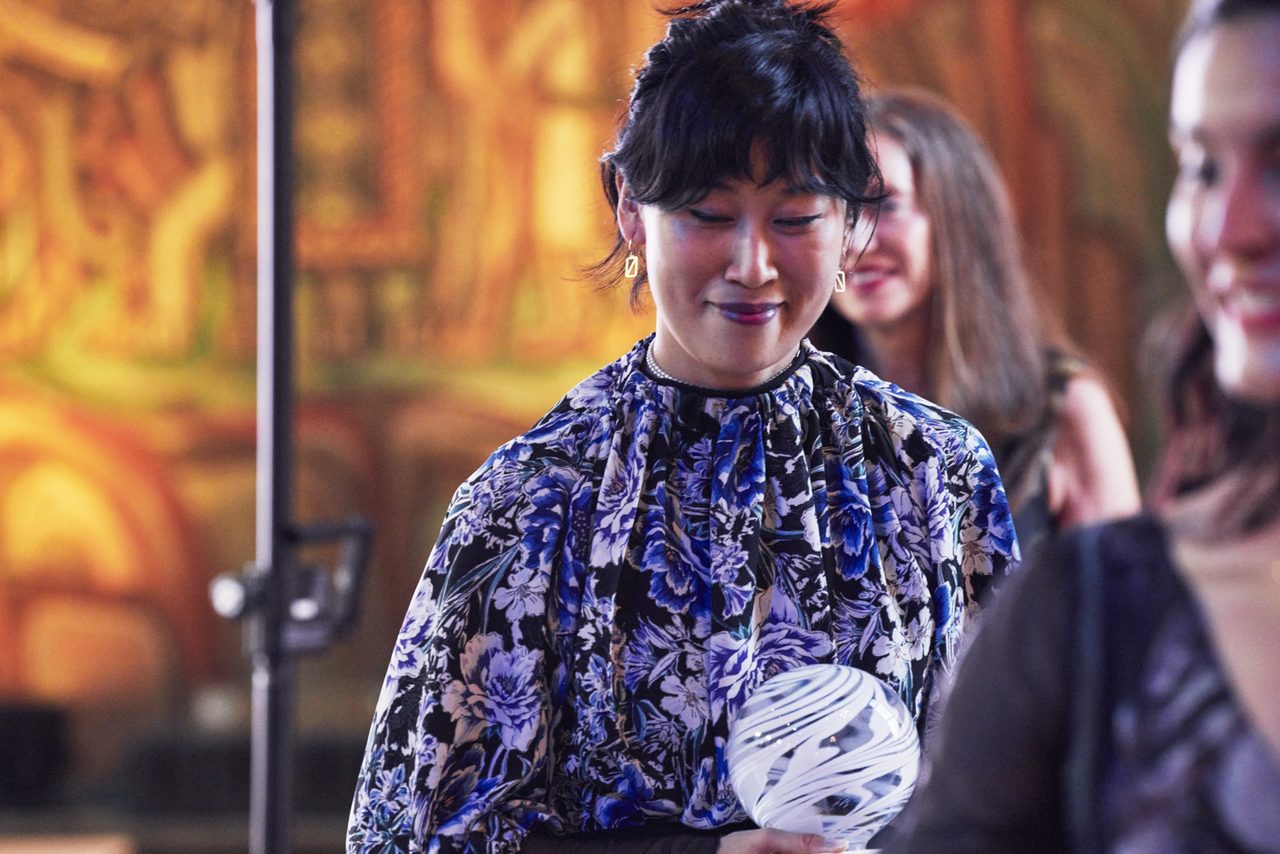
SXD won the Global Change Award in 2022.
”That was the moment I decided we would never again miss an opportunity because we weren’t ready. Given the nature of our work at SXD, we really benefit from people who understand our offering deeply and can help the team build when needed. I’d only hire people with at least some solid technical experience.”
The best hires are the ones who find intrinsic joy and take pride in doing great work.
Shelly Xu
Looking back, she would have dropped the split between ”technical” and ”non-technical” hires altogether. Just as important is what drives them.
”Every growing organisation goes through intense periods when no amount of pay feels like enough. The best hires are the ones who find intrinsic joy and take pride in doing great work.”
What a bigger team makes possible
At both SXD and GALY, growing teams have meant more responsibility for the founders.
”When I started SXD, I did a lot of prototyping myself. My room was packed with sewing machines and fabrics for testing. Now I have team members and partners who are much better at it than me, so more of my time goes into creating concepts and working out the pathways to impact.”
Luciano has worked in almost every part of GALY along the way, including science and production. Today, he sums up his job in three priorities: making sure there’s money in the bank, stepping into the problems that are hardest to crack or most critical to the company, and making sure everyone understands the vision, the year’s single most important goal and the company’s core values.
So what’s the payoff? A bigger team means a bigger playing field.
”You’re able to do a lot more and play in areas you thought you couldn’t before. It’s pretty amazing,” says Luciano. His one caveat: don’t over-hire. He’d rather have a small, elite team than a large, average one.
For Shelly, it’s about scale.
”We currently work with partners who move millions of units of products every month. That’s the scale of impact SXD was built for, and a larger team of incredible people is what lets us reach it. I also love seeing how great people attract more great people. It makes me feel like we can build anything.”
There’s no blueprint for building a team. But both founders keep coming back to the same things: hire people who care about the mission, understand a role before you hand it over, and let structure grow with you.
Get the first few right, and great people tend to bring more great people with them.
Three things to get right with your first hires
Don’t over-hire. A small, strong team beats a large, average one.
Do the job yourself before you hire someone to do it, so you know what the role really involves.
Look for people who share your mission and are happy to take on whatever the business needs, regardless of title.
Founded: 2019 Based: Boston, MA GCA winner: 2020 What they do: Biotech company growing real cotton from plant cells in bioreactors, no farmland needed.
About SXD
Founded: 2022 Based: New York, NY GCA winner: 2023 What they do: AI software that designs zero-waste clothing patterns, cutting fabric waste to zero.
Every founder reaches the point where they can’t do it all themselves. Luciano Bueno of GALY and Shelly Xu of SXD have both been there. We asked the two GCA winners how they made their first hires, what changed as their teams grew and what…
Collaboration keeps breaking in the same few stages, according to Srikrishna Murthy, Co-founder and CEO of social impact advisory Sattva Consulting. After 15 years of building partnerships in India, including Sattva’s role in the H&M Foundation-backed Saamuhika Shakti initiative,he explains what the textile industry can…
Africa’s fashion industry has no shortage of craft and creativity. What it needs, according to Omoyemi Akerele, founder and executive director of Lagos Fashion Week, is collaboration that goes beyond trading favours. At GCA Summit 2026, she describes how almost 16 years of partnerships led…